Baseball has always been a sport rooted in tradition, but beneath that surface lies constant innovation. One of the clearest examples is the evolution of baseball bat technology. From hand-carved wooden clubs to precision-engineered composite bats, the tools hitters use today are the result of decades of experimentation, science, and regulation.
Understanding how baseball bat technology has changed over time reveals not only how the game has evolved, but also how physics, materials science, and player performance intersect in modern sports.
The Early Days of Baseball Bat Technology

In the early years of professional baseball, particularly during the rise of Major League Baseball in the late 19th century, bats were simple and highly individualized. Players often carved their own bats from available wood, leading to wide variations in shape, weight, and length.
There were no standard regulations. Some bats were flat, others round. Some were heavy and thick, while others were thin and light. Players experimented constantly, trying to find a design that matched their swing style.
Eventually, the league stepped in to standardize bat dimensions. This marked the first major step in the development of modern baseball bat technology, ensuring fairness and consistency across the sport.
The Rise of Wood Standards
As the game matured, wood became the dominant material for professional bats. Among the most popular choices were ash, maple, and birch. Companies like Louisville Slugger played a major role in refining bat production, introducing more consistent designs and higher-quality craftsmanship.
Ash bats became widely used due to their flexibility and lighter feel. Maple bats, on the other hand, gained popularity later for their hardness and durability, offering more power on contact.
This period defined the “classic” era of baseball bat technology, where improvements were subtle but meaningful. Changes in grain quality, weight distribution, and handle thickness all contributed to better performance without altering the fundamental nature of the bat.
Aluminum Bats in Baseball Revolutionize the Game
The biggest technological leap came in the 1970s with the introduction of aluminum bats, particularly in amateur and collegiate baseball. Unlike wood, aluminum allowed for thinner walls and lighter designs without sacrificing strength.
This innovation dramatically changed hitting dynamics. Aluminum bats created what is often referred to as the “trampoline effect,” where the barrel flexes slightly upon contact and then snaps back, propelling the ball with greater force.
Organizations like the National Collegiate Athletic Association adopted aluminum bats to reduce costs and improve durability. One aluminum bat could last significantly longer than a wooden one, making it more practical for teams.
However, this shift also sparked debates about fairness and safety, as the increased exit velocity of the ball raised concerns for pitchers and infielders.
Composite Baseball Bats and Modern Engineering
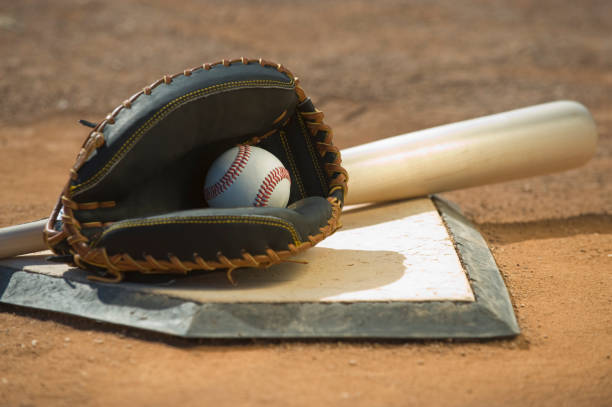
As technology advanced, manufacturers began experimenting with composite materials. These bats combined carbon fiber, graphite, and other advanced materials to create even more refined performance characteristics.
Composite bats introduced features like optimized sweet spots, reduced vibration, and improved weight distribution. They also required a “break-in” period, during which the bat’s performance would gradually improve as the material loosened slightly with use.
This era represents the peak of modern baseball bat technology, where engineering precision meets player preference. Every aspect of the bat, from barrel diameter to handle stiffness, is carefully designed using data and testing.
The Role of Regulations in Bat Development
With innovation came the need for regulation. Governing bodies introduced performance standards to ensure that advancements in baseball bat technology did not compromise the integrity of the game.
For example, the BBCOR standard, used in college baseball, limits the trampoline effect of non-wood bats to make their performance more similar to wood. This helps maintain competitive balance and improves player safety.
At the professional level, Major League Baseball continues to require wooden bats, preserving the traditional feel of the game while still allowing for minor technological refinements in manufacturing.
Customization and Player-Specific Design
Today’s players benefit from a level of customization that would have been unimaginable in the early days of baseball. Bats can be tailored to match a player’s exact preferences, including weight, balance, handle thickness, and barrel shape.
Advanced tools such as motion capture and swing analysis help players and manufacturers design bats that maximize efficiency and power. Even slight adjustments can have a significant impact on performance.
This personalized approach highlights how far baseball bat technology has come. It is no longer just about the material, but about optimizing the bat for the individual athlete.
Safety and Performance Balance

Modern bat technology is not just about hitting the ball farther. It is also about ensuring player safety. High-performance bats can increase ball exit speeds, which poses risks, especially at lower levels of play.
This is why regulatory standards are so important. They create a balance between innovation and safety, ensuring that advancements in baseball bat technology enhance the game without making it dangerous.
Manufacturers now design bats with controlled performance limits, focusing on consistency and reliability rather than extreme power.
Baseball Bat Technology Evolution and Future
Looking ahead, the future of baseball bat technology will likely involve even greater integration of data and smart design. Sensors embedded in bats could provide real-time feedback on swing speed, angle, and contact quality.
Materials will continue to evolve, potentially leading to lighter, stronger, and more responsive bats. However, any major breakthroughs will still need to align with league regulations.
The challenge will be maintaining the essence of baseball while embracing innovation. The history of baseball bat technology shows that this balance is possible.
Conclusion
The evolution of baseball bat technology is a story of continuous improvement. From handcrafted wooden bats to scientifically engineered composite designs, each phase has brought new insights into performance and player development.
While the materials and methods have changed, the goal remains the same: to give players the best possible tool to succeed at the plate. As technology continues to advance, one thing is certain. The bat will remain at the heart of baseball, evolving alongside the game itself.
