In the National Basketball Association (NBA), games are often decided in the final minutes, sometimes even the final seconds. These are the moments that define legacies, where pressure peaks and every decision carries enormous weight. Clutch moments in NBA games are not just about skill or talent. They are deeply rooted in psychology.
The difference between making and missing a game-winning shot is often mental. Understanding how players think, react, and perform under pressure reveals why some thrive in clutch situations while others struggle.
What Defines Clutch Moments in NBA Games
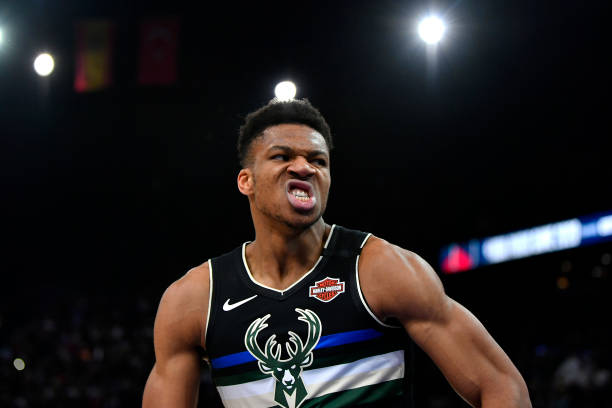
Clutch moments typically occur in the final five minutes of a game when the score margin is small. The intensity rises, the margin for error disappears, and every possession becomes critical.
In these situations, players are not just competing against their opponents. They are also battling internal pressures, expectations, and the fear of failure. The mental challenge is just as significant as the physical one.
Clutch moments in NBA games demand focus, composure, and confidence, qualities that are not easily developed but are essential for success.
The Role of Confidence Under Pressure
Confidence is perhaps the most important psychological factor in clutch situations. Players who believe in their ability are more likely to take decisive actions, whether it is attempting a difficult shot or making a bold defensive play.
Legends like Michael Jordan built their reputations on unwavering confidence. His willingness to take responsibility in critical moments set him apart from his peers.
Confidence, however, is not just about belief. It is built through preparation, repetition, and past success. Players who have experienced success in high-pressure situations are more likely to remain calm and execute effectively.
Handling Pressure and Anxiety
Pressure can have two very different effects on players. For some, it sharpens focus and enhances performance. For others, it leads to anxiety and mistakes.
This phenomenon is often referred to as “choking,” where players underperform due to overwhelming pressure. In clutch moments in NBA games, even the smallest lapse in concentration can be costly.
Top players develop coping mechanisms to manage this pressure. Techniques such as controlled breathing, mental visualization, and routine consistency help them stay grounded.
Players like LeBron James are known for their ability to remain composed, even in the most intense situations. This composure allows them to make better decisions and execute plays effectively.
Decision-Making in High-Stakes Situations

Clutch moments require rapid decision-making. Players must read the game, anticipate movements, and choose the best course of action in seconds.
The brain processes information differently under pressure. Stress can either enhance focus or lead to rushed decisions. Elite players train their minds to stay clear and decisive.
This is where experience becomes invaluable. Veterans who have been in similar situations before are better equipped to handle the demands of clutch moments in NBA games.
The Importance of Routine and Preparation
Preparation plays a crucial role in psychological readiness. Players often rely on routines to create a sense of familiarity and control.
Free-throw routines, pre-game rituals, and consistent practice habits all contribute to mental stability. These routines help players block out distractions and focus on the task at hand.
Preparation also builds muscle memory. When players have practiced a specific shot or move repeatedly, they can execute it instinctively, even under pressure.
Team Dynamics and Trust
Clutch moments are not just about individual brilliance. Team dynamics play a significant role in determining outcomes.
Trust between teammates allows for better communication and execution. Players must believe that their teammates will make the right decisions and perform their roles effectively.
Coaches also play a key role by designing plays and managing timeouts strategically. Their ability to read the game and make adjustments can influence the outcome of clutch situations.
Teams like the Golden State Warriors have demonstrated how strong chemistry and trust can lead to success in high-pressure moments.
The Impact of Crowd and Environment
The environment can significantly influence performance in clutch moments. Playing in front of a supportive home crowd can boost confidence, while hostile environments can increase pressure.
Noise levels, fan reactions, and overall atmosphere all contribute to the psychological experience of players. Some thrive in these conditions, using the energy to elevate their performance.
Others may find it distracting, highlighting the importance of mental resilience in clutch moments in NBA games.
Mental Toughness: The Defining Trait
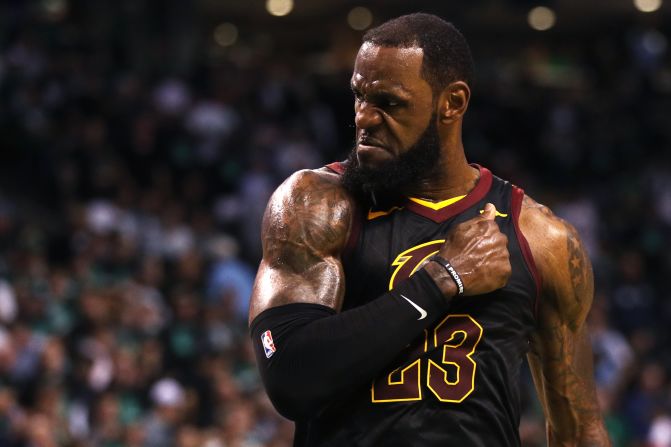
Mental toughness is what ultimately separates great players from good ones. It is the ability to stay focused, confident, and composed regardless of the situation. Players like Kobe Bryant exemplified this trait. His “Mamba Mentality” was built on relentless focus and a refusal to be affected by pressure.
Mental toughness allows players to embrace challenges rather than fear them. It transforms pressure into opportunity.
Why Some Players Thrive in Clutch Moments in NBA Games
Not every player is suited for clutch situations. Those who excel often share common psychological traits.
They embrace responsibility rather than avoid it. They remain calm under pressure and trust their preparation. They are not afraid to fail, understanding that failure is part of the game.
These qualities enable them to perform consistently in high-stakes moments, making them invaluable to their teams.
The Evolution of Clutch Performance Analysis
Modern analytics have added a new dimension to understanding clutch moments in NBA games. Statistics now track performance in high-pressure situations, providing insights into player effectiveness.
However, numbers alone cannot capture the full picture. The psychological aspect remains a critical factor that cannot be fully quantified.
This balance between data and mental performance continues to shape how teams evaluate players and strategies.
Conclusion
Clutch moments in NBA games are where legends are made and games are decided. While physical skill is essential, the psychological component often determines the outcome.
Confidence, composure, decision-making, and mental toughness all play crucial roles in these high-pressure situations. Players who master these elements consistently rise to the occasion.
As the NBA continues to evolve, the importance of mental performance in clutch moments will only grow. Because when the game is on the line, it is not just about who is the most talented, but who is the most mentally prepared.
