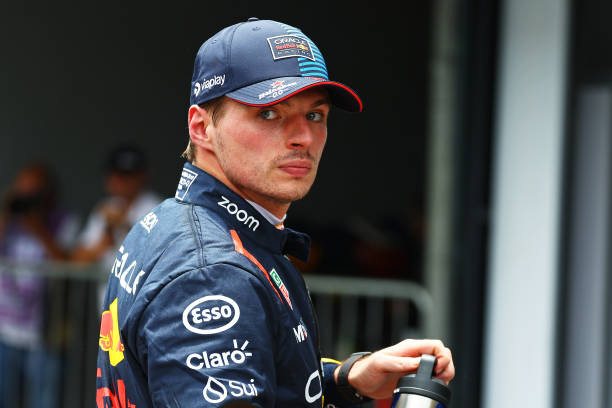
The future of Max Verstappen in Formula 1 remains firmly independent of internal changes at Red Bull, despite the impending departure of one of his closest allies within the team. As speculation continues to swirl around Verstappen’s long-term commitment to the sport, Red Bull leadership has moved to clarify that recent developments behind the scenes will not influence the Dutchman’s decision-making.
At the center of the conversation is the exit of race engineer Gianpiero Lambiase, a figure who has been instrumental in Verstappen’s rise to the top of the sport. However, according to Red Bull team principal Laurent Mekies, the bond between driver and team extends far beyond any single individual.
Verstappen and Lambiase: A Defining Partnership
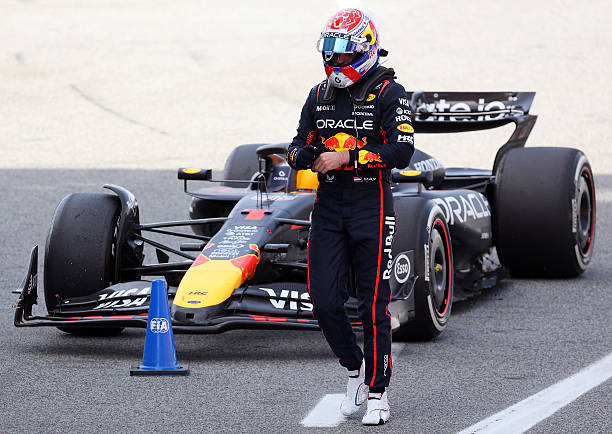
Since joining Red Bull at the Spanish Grand Prix 2016, Verstappen has worked closely with Lambiase, forming one of the most effective driver-engineer partnerships in modern Formula 1. Their communication, trust, and shared understanding of race dynamics have played a crucial role in Verstappen’s success.
Lambiase’s upcoming move to McLaren as chief racing officer marks the end of an era. While his departure will undoubtedly reshape Red Bull’s internal structure, Mekies insists that Verstappen’s outlook remains unchanged.
According to Mekies, Verstappen’s deep understanding of the sport and the team ensures that he is not dependent on any one relationship. Instead, his focus remains on performance, competitiveness, and the overall direction of Formula 1.
Formula 1 Engine Regulations: The Real Concern
While Lambiase’s exit has drawn attention, Verstappen’s primary frustration lies elsewhere. The introduction of new hybrid engine regulations has significantly altered the driving experience, sparking concerns among several drivers.
The current power units feature a near 50-50 split between internal combustion and electrical energy. This shift has introduced complex energy management requirements, reducing the amount of flat-out racing and placing greater emphasis on strategic deployment.
For Verstappen, this change has diluted one of the core appeals of Formula 1: pushing the car to its absolute limits on every lap. His dissatisfaction reflects a broader sentiment within the paddock, where drivers are increasingly vocal about the need for balance between innovation and racing purity.
Proposed Changes and Miami Grand Prix Adjustments
Formula 1 authorities have already begun responding to these concerns. Ahead of the Miami Grand Prix, rule adjustments have been introduced to improve racing conditions.
These changes aim to reduce excessive energy management during qualifying and address safety concerns related to varying energy deployment levels between cars. While not a complete solution, they represent a step in the right direction.
There is also ongoing discussion about more substantial modifications, including a potential shift in the power ratio to favor internal combustion engines. A proposed 60-40 split could restore a more traditional driving feel while maintaining the technological advancements of hybrid systems.
Such changes would not only enhance driver satisfaction but also improve the overall spectacle for fans.
Red Bull’s Performance Struggles and Upgrades
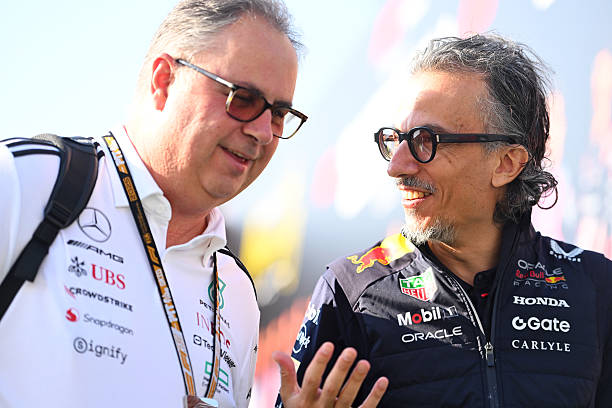
Beyond regulatory concerns, Red Bull faces immediate challenges on the track. The team has endured a difficult start to the season, with Verstappen currently outside the top positions in the championship standings.
Compared to rivals like Mercedes and McLaren, Red Bull has struggled to match performance levels, particularly in terms of chassis balance and power unit efficiency.
In response, the team is introducing a major upgrade package for the Miami Grand Prix. Early testing at Silverstone Circuit suggests that these improvements could address a significant portion of their performance deficit.
However, Mekies has been careful to manage expectations. While progress has been made, Red Bull acknowledges that it has not yet fully solved its underlying issues. The competitive gap remains, and closing it will require continued development across all areas of the car.
The Competitive Landscape: McLaren and Beyond
The current Formula 1 landscape is more competitive than ever. McLaren, led by team principal Andrea Stella, has emerged as a strong contender, with drivers delivering consistent performances.
Stella has also advocated for long-term hardware changes to address the challenges posed by the new engine regulations. His perspective aligns with a growing consensus that incremental tweaks may not be enough to resolve deeper structural issues.
Meanwhile, other teams such as Mercedes and Ferrari continue to push the boundaries of performance, ensuring that the fight at the top remains intense.
Max Verstappen Future: Focused and Independent
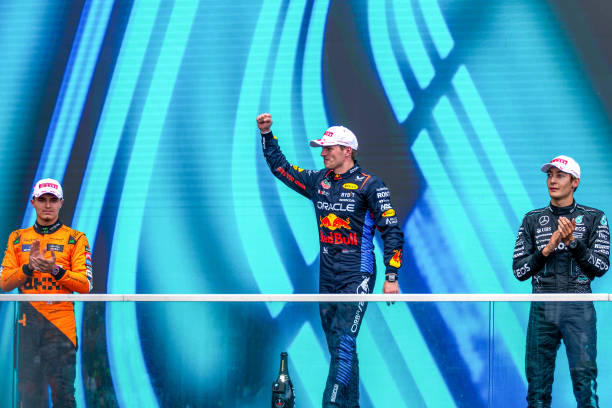
Amid all these developments, Verstappen’s approach remains clear. His decisions about the future will be driven by competitive factors rather than personnel changes.
He is known for his straightforward mentality and deep connection to the sport. Verstappen evaluates situations based on performance potential, technical direction, and the ability of his team to deliver a winning package.
This independence is what makes Mekies confident that Lambiase’s departure will not influence the Dutchman’s long-term plans.
What Lies Ahead for Verstappen and Red Bull Racing
The coming months will be crucial for both Verstappen and Red Bull. The Miami Grand Prix serves as a key checkpoint, offering insight into whether the team’s upgrades can restore competitiveness.
At the same time, ongoing discussions around engine regulations will shape the future of Formula 1. For Verstappen, these decisions could ultimately carry more weight than any internal team changes.
If the sport can strike the right balance between innovation and pure racing, it may help retain the enthusiasm of its biggest stars.
Conclusion
Max Verstappen’s future in Formula 1 remains a topic of intense interest, but one thing is clear: it will not be dictated by the departure of Gianpiero Lambiase. Instead, the Dutch driver’s focus lies on performance, competition, and the evolving nature of the sport itself.
As Red Bull works to close the gap to its rivals and Formula 1 navigates a period of regulatory change, Verstappen’s next move will depend on one central question: can the sport and his team provide the environment he needs to continue winning?
For now, the answer remains uncertain. But what is certain is that Verstappen’s path will be defined by racing, not relationships.
