West Ham United have entered a new period of uncertainty after long-serving co-owner David Sullivan stepped down from his position as joint chairman with immediate effect. The decision comes ahead of the publication of a joint investigation by BBC Panorama and The Times concerning historic allegations against the 77-year-old businessman.
The development marks one of the most significant moments in the club’s modern history. After more than 16 years at the helm, Sullivan steps down during a period when West Ham are already facing major challenges following their relegation from the Premier League at the end of the 2025-26 season.
While Sullivan has strongly denied all allegations and insists he has done nothing wrong, his resignation brings an end to one of the most influential eras in West Ham’s recent history.
Sullivan Steps Down Amid Pending Media Investigation
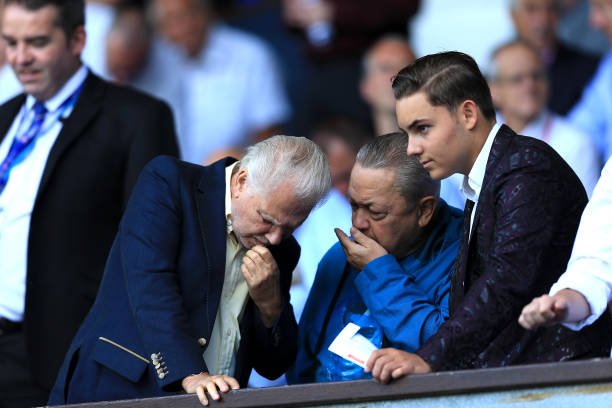
West Ham confirmed that Sullivan steps down after the club became aware of the imminent publication of serious historic allegations concerning the co-owner.
According to statements released by both the club and Sullivan himself, the allegations do not relate to West Ham United or any aspect of the club’s operations.
Sullivan issued a strongly worded response, rejecting the claims and maintaining his innocence.
He described the allegations as false and factually incorrect, insisting that he intends to challenge the reporting through legal channels.
The businessman stated that his decision to resign was not an admission of wrongdoing but rather an attempt to prevent the situation from becoming a distraction for the football club during a crucial period.
His departure also includes stepping down as a director of the club.
The announcement that Sullivan steps down immediately has generated significant discussion among supporters, particularly given the timing of the decision.
Why David Sullivan Chose to Leave
In his statement, Sullivan explained that protecting the stability of West Ham was a major factor behind his resignation.
The club is already dealing with the consequences of relegation to the Championship, and leadership uncertainty could further complicate preparations for the upcoming campaign.
Sullivan said he wanted to focus entirely on defending himself against the allegations and pursuing legal action where necessary.
He argued that remaining in his role could create unnecessary instability and shift attention away from the club’s efforts to rebuild.
As a result, Sullivan steps down in what he described as a difficult but necessary decision.
The move allows West Ham’s executive leadership to continue managing football operations without ongoing scrutiny surrounding the chairman’s personal situation dominating headlines.
End of a Significant Era at West Ham
The news that Sullivan steps down effectively closes one of the most influential chapters in West Ham’s modern history.
Together with the late David Gold, Sullivan completed the takeover of West Ham in January 2010.
At the time, the club faced financial uncertainty and concerns about its long-term future.
Over the next decade and a half, Sullivan became one of the most powerful figures at the club, helping shape many of the decisions that defined the modern West Ham era.
His leadership coincided with major changes both on and off the pitch.
While opinions among supporters have often been divided regarding his ownership, few would dispute the scale of his influence.
The fact that Sullivan steps down now means the club will move forward without one of its longest-serving decision-makers.
Key Achievements During Sullivan’s Tenure
During his time as chairman, West Ham experienced several landmark moments.
Perhaps the most transformative was the club’s move from the historic Upton Park stadium to the London Stadium in 2016. The relocation dramatically increased attendance capacity and altered the club’s commercial potential.
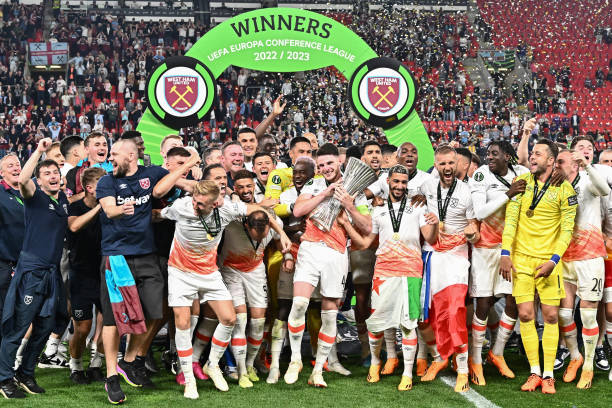
The most celebrated achievement under Sullivan’s leadership came in 2023 when West Ham won the UEFA Europa Conference League. The triumph ended a decades-long wait for major silverware and provided supporters with one of the greatest moments in the club’s history.
The club also achieved notable Premier League success, including a sixth-place finish in 2021 and qualification for European competition.
These accomplishments remain central to Sullivan’s legacy, even as Sullivan steps down under difficult circumstances.
Decline and Growing Fan Frustration
Despite those successes, recent seasons have been far more challenging.
West Ham’s performances declined significantly over the past few years, culminating in relegation from the Premier League after finishing 18th in the 2025-26 campaign.
The drop into the Championship represented a major setback for a club that had spent 14 consecutive years in England’s top division.
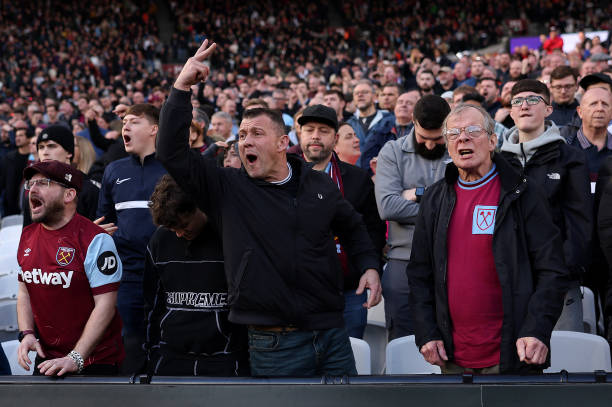
Fan frustration intensified throughout the season.
Supporters staged multiple protests directed at the club’s ownership structure, with many calling for significant changes at boardroom level.
Criticism focused on recruitment decisions, managerial appointments, financial strategy, and the overall direction of the club.
Against that backdrop, the announcement that Sullivan steps down arrives during a period when many supporters were already demanding leadership changes.
What Happens Next at West Ham?
West Ham have moved quickly to reassure supporters and stakeholders that daily operations will continue without disruption.
The club confirmed that interim chief executive officer Karim Virani will continue overseeing day-to-day activities while reporting to the current board of directors.
The club has also indicated that further information regarding the future structure of the board will be provided in due course.
With Sullivan steps down, attention now turns to how ownership and governance responsibilities will be distributed moving forward.
Sullivan remains the club’s largest shareholder, holding a substantial stake following the death of David Gold in 2023.
As a result, although he is no longer chairman, his financial influence within the club remains significant unless ownership changes occur in the future.
The Challenge Facing West Ham after Sullivan Steps Down
The departure of a chairman is rarely straightforward, but the timing makes this situation particularly complex.
West Ham are preparing for life in the Championship while simultaneously dealing with uncertainty regarding the club’s leadership structure.
Promotion back to the Premier League will be the immediate priority.
Achieving that objective will require stability, strong recruitment, and effective decision-making at every level of the organization.
The fact that Sullivan steps down during such a critical moment adds another layer of complexity to an already difficult rebuilding process.
Supporters will be eager for clarity regarding the club’s long-term direction and ownership plans.
A Defining Moment for the Club
Whether viewed positively or negatively, David Sullivan’s impact on West Ham cannot be ignored.
He oversaw some of the club’s greatest modern achievements, including European success and the move to a larger stadium. At the same time, he also presided over periods of significant controversy and growing supporter dissatisfaction.
Now, with Sullivan steps down, West Ham face a new chapter.
The club must navigate the immediate challenges of Championship football while establishing a leadership structure capable of guiding it back toward stability and success.
For many supporters, the coming months could prove just as important as any period during Sullivan’s 16-year reign. His departure marks the end of an era and the beginning of an uncertain but potentially transformative future for West Ham United.
