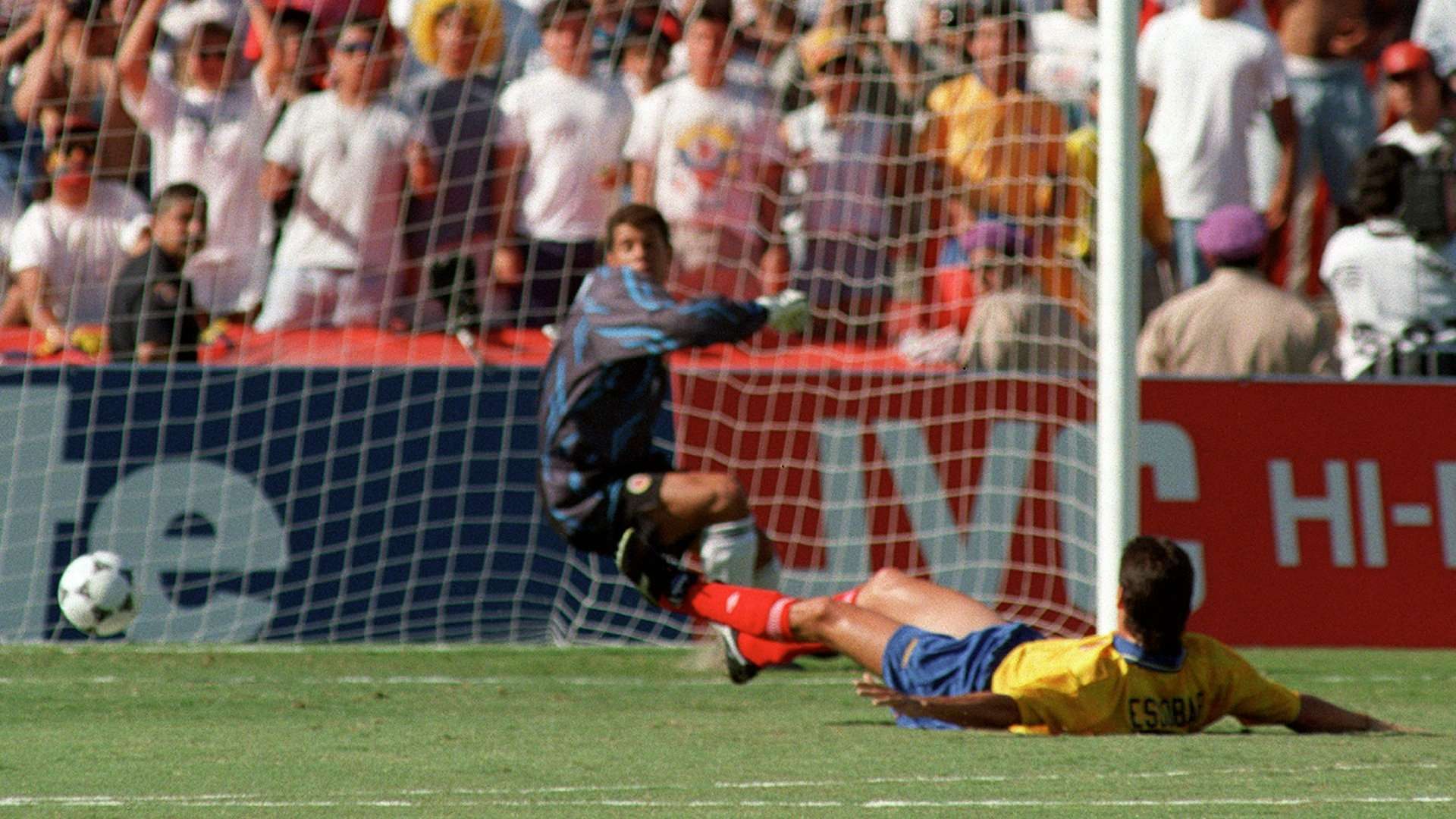
Football has produced countless moments of glory, heartbreak, and controversy. Few stories, however, are as tragic and unforgettable as that of Andres Escobar.
He was respected across Colombia for his professionalism, calm personality, and leadership on the pitch. Nicknamed “The Gentleman of Football,” Escobar represented everything positive about the game.
Yet in the summer of 1994, one unfortunate touch of the ball turned him into the center of a national tragedy. What followed remains one of the darkest chapters in football history and a painful reminder that sport should never cost a life.
Who Was Andres Escobar?
Before discussing the tragedy, it is important to understand who Andres Escobar was.
Born in Medellín, Colombia, Escobar developed into one of South America’s most respected defenders during the late 1980s and early 1990s. He spent most of his club career with Colombian giants Atlético Nacional and became a key figure for the national team.
Unlike many defenders known for aggression, Escobar built his reputation through intelligence, composure, and sportsmanship. His elegant style earned admiration both at home and abroad.
By 1994, Colombia had become one of the most exciting teams in world football. They had stunned the football world by defeating Argentina 5-0 in Buenos Aires during World Cup qualifying.
Many analysts even considered Colombia among the favorites to challenge for the title in the United States.
Nobody could have imagined how quickly that dream would collapse.
Colombia Arrive at the 1994 World Cup With High Expectations
The Colombian squad that traveled to the United States was packed with talent.
Players such as Carlos Valderrama, Freddy Rincón, Faustino Asprilla, and Andres Escobar formed the core of a team many believed could make history.
The expectations were enormous.
Some experts predicted Colombia could reach the semi-finals or even challenge for the World Cup trophy.
Instead, the tournament quickly became a nightmare.
A 3-1 defeat to Romania left Colombia under pressure heading into their second group-stage match against the United States.
They needed a result to keep their hopes alive.
What happened next would change football history forever.
The Escobar Own Goal That Shocked the World
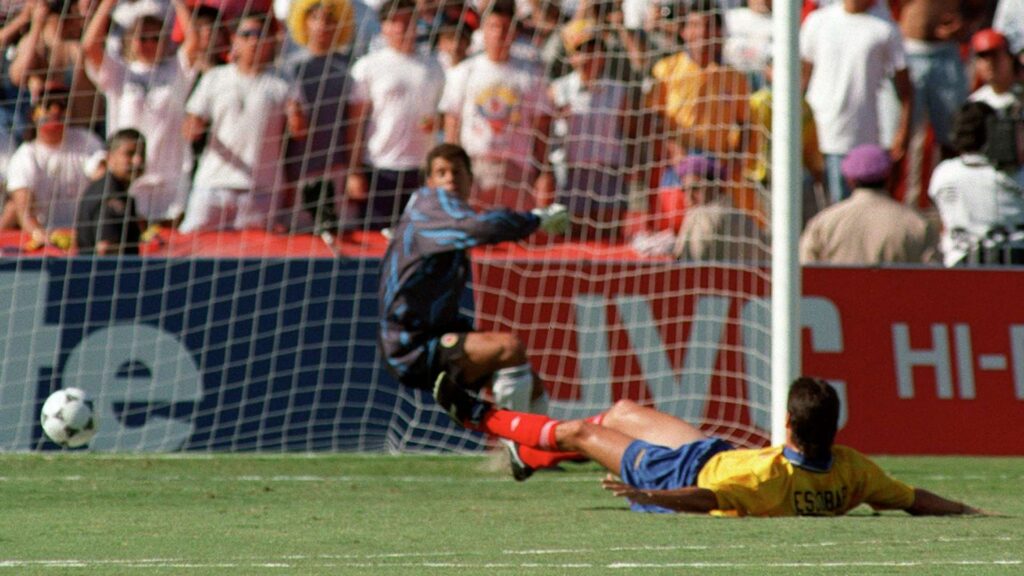
On 22 June 1994, Colombia faced the host nation in Los Angeles.
The match was tense, with Colombia desperately searching for a victory.
In the 35th minute, disaster struck.
American midfielder John Harkes delivered a low cross into the penalty area. As Andres Escobar attempted to intercept the ball, it deflected off his leg and rolled past goalkeeper Óscar Córdoba into the net.
Escobar’s own goal gave the United States a crucial lead.
It was a simple football accident, the kind that happens in matches around the world every week.
Yet its consequences would become devastating.
The United States eventually won 2-1, eliminating Colombia from the tournament.
For a nation carrying enormous expectations, the disappointment was immense.
Andres Escobar’s Response Revealed His Character
Many players would have hidden from the spotlight after such a painful mistake.
Andres Escobar did the opposite.
Following Colombia’s elimination, he wrote a newspaper column encouraging people to remain calm and positive.
He accepted responsibility but reminded supporters that football is a game and that life must continue beyond victory and defeat.
His words reflected remarkable maturity and dignity.
There was no anger, blame, or bitterness.
Instead, he focused on unity and perspective.
Sadly, he would never have the opportunity to live out those ideals.
The Colombia 1994 Murder Tragedy
After returning home to Medellín, Escobar attempted to resume normal life.
On the night of 2 July 1994, just days after Colombia’s World Cup exit, he visited a restaurant with friends.
An argument reportedly broke out in the parking lot.
According to witnesses and later investigations, Escobar was confronted by men who referenced his World Cup own goal.
What happened next stunned the football world.
Escobar was shot multiple times and died shortly afterward from his injuries.
The murder immediately became global news.
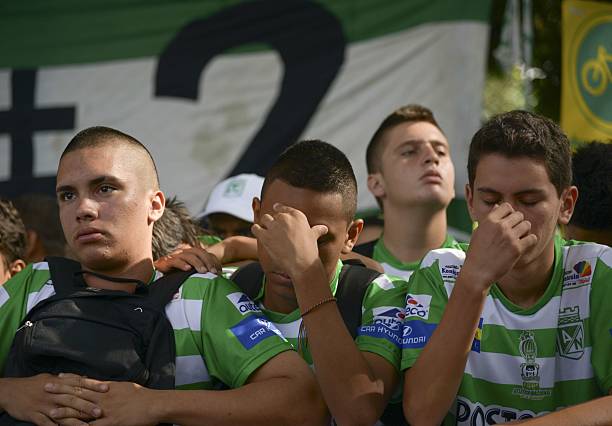
The Colombia 1994 murder tragedy horrified football fans everywhere and sparked international outrage.
A nation already mourning a disappointing World Cup campaign was now mourning the loss of one of its most respected athletes.
Why the Murder Shook Football
The death of Andres Escobar was about far more than football.
It highlighted the dangerous intersection of crime, gambling, and sport that existed in parts of Colombia during the era.
The country was still dealing with the influence of powerful criminal organizations and widespread violence.
Many believed the pressure surrounding the national team’s World Cup performance had become dangerously intense.
Escobar’s death forced football authorities, governments, and supporters around the world to confront uncomfortable questions about fan behavior, accountability, and the limits of sporting obsession.
No player should ever fear for their safety because of a mistake on the field.
Yet that is exactly what happened.
The Legacy of Andres Escobar
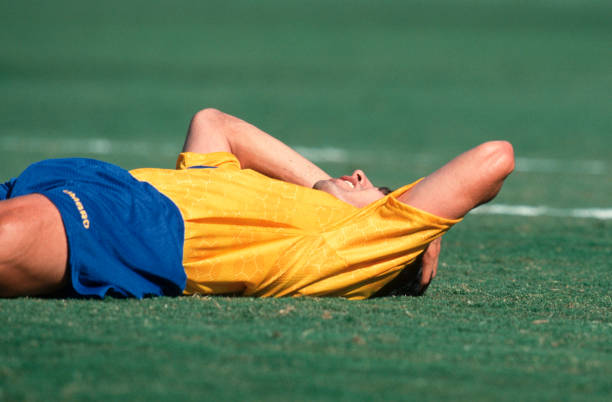
More than three decades later, Andres Escobar remains one of the most respected figures in Colombian football history.
Stadiums, schools, tournaments, and community programs have been named in his honor.
His memory serves as a symbol of integrity, sportsmanship, and dignity.
While many people remember the Escobar own goal, those who knew his story prefer to focus on the man behind the mistake.
He was a leader.
He was a role model.
He was a footballer who represented his country with pride.
One unfortunate moment should never define an entire life.
How Colombia Moved Forward
The Colombia 1994 murder tragedy left a lasting scar on the country’s football culture.
Players became more aware of the pressures they faced, while authorities worked to improve security around athletes and national teams.
Over time, Colombian football rebuilt itself.
New generations emerged, including stars such as James Rodríguez and Radamel Falcao, helping restore national pride on the international stage.
Yet the memory of Escobar never disappeared.
His story remains a reminder of how quickly passion can become destructive when perspective is lost.
Why Andres Escobar’s Story Still Matters Today
The story of Andres Escobar continues to resonate because it represents football at both its best and worst.
At its best, football unites people, creates heroes, and inspires communities.
At its worst, unchecked emotion, pressure, and violence can lead to unimaginable consequences.
Every player makes mistakes. Every team loses matches. That is part of sport.
What happened to Escobar should never happen again.
Conclusion
The name Andres Escobar will forever be linked to one of football’s most heartbreaking stories.
The Escobar own goal against the United States became one of the most infamous moments in World Cup history, but it should never overshadow the character of the man involved.
The Colombia 1994 murder tragedy remains a painful reminder that football is only a game, no matter how passionately it is followed.
Escobar handled defeat with grace, dignity, and courage. Those qualities are the reason he is still remembered today.
His legacy is not the own goal.
His legacy is the example he left behind.
Football creates unforgettable heroes and unforgettable tragedies. Where does the story of Andres Escobar rank among the most heartbreaking moments in sports history?
