Chelsea have dismissed head coach Liam Rosenior after just 106 days in charge, bringing a swift and brutal end to a tenure that never truly found stability.
The decision follows a humiliating 3-0 defeat to Brighton & Hove Albion, a result that extended Chelsea’s losing streak to five consecutive Premier League games without scoring. For a club of Chelsea’s stature, that kind of form is not just unacceptable, it is historically alarming.
A Short Reign That Quickly Unravelled
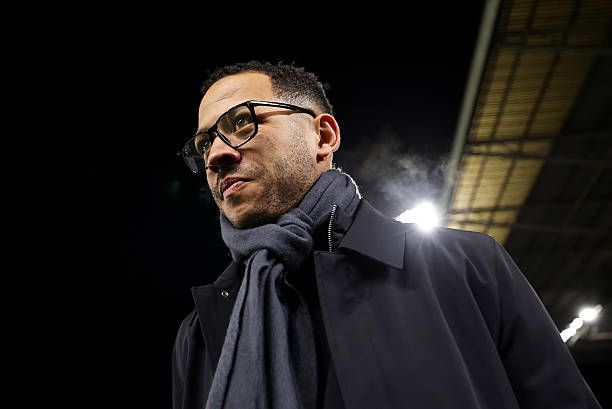
When Liam Rosenior arrived from RC Strasbourg Alsace, the appointment was framed as a long-term project. He signed a five-and-a-half-year contract, signaling faith from the ownership in a young, progressive coach.
But football rarely waits for long-term plans to mature, especially at a club where expectations are immediate and unforgiving.
Liam Rosenior managed just 11 wins in 23 matches across all competitions. While there were brief flashes of promise, they were overshadowed by inconsistency, tactical uncertainty, and a steady decline in results. The final blow came at the Amex Stadium, where Chelsea were comprehensively outplayed and left without a single goal once again.
The Numbers Behind Liam Rrosenior’s Collapse
The statistics from Liam Rosenior’s tenure paint a stark picture. Chelsea’s five-game losing run without scoring is their worst since 1912, a record that speaks volumes about the severity of the current downturn.
Beyond that, the team managed only one win in their last nine league matches. Defensive issues persisted, with no clean sheet in 12 consecutive games, while attacking output fell to alarming lows. Their expected goals figure in the first half against Brighton, just 0.04, summed up a team devoid of attacking ideas.
These are not numbers associated with a club chasing European football. They are the numbers of a team drifting without direction.
Pressure That Never Relented
From the outset, Liam Rosenior faced a unique challenge. Managing Chelsea is not comparable to his previous roles at clubs like Hull City or Derby County. The expectations are higher, the scrutiny is constant, and the margin for error is minimal.
While he was respected for his professionalism and approach, the reality is that results dictate survival at the top level. As defeats piled up, so did the pressure. The chants from supporters during the Brighton loss made it clear that patience had run out.
In truth, the job appeared to overwhelm him. What began as a promising opportunity gradually turned into an uphill battle Liam Rosenior could not recover from.
Chelsea’s Search for Stability Continues

Chelsea’s official statement emphasized that the decision was not taken lightly. Yet, it also acknowledged that performances had fallen below the required standard.
The club now faces a familiar problem. Stability has been elusive, and another managerial change raises fresh questions about long-term planning.
Names already being considered include Andoni Iraola, Marco Silva, and Edin Terzic. Each represents a different profile, but all would inherit a squad lacking confidence and consistency.
The challenge is not just appointing a new manager. It is creating an environment where that manager can succeed.
Calum McFarlane Steps In
For now, Calum McFarlane will take charge as interim manager until the end of the season. Having previously stepped in during a transitional period earlier in the campaign, he is familiar with the squad and the demands of the role.
His immediate task is daunting. Chelsea face a crucial FA Cup semi-final at Wembley, and salvaging something from the season could be vital for morale and perception.
However, interim appointments rarely solve deeper structural issues. McFarlane’s role is more about stabilizing the situation than transforming it.
Champions League Hopes Fading
Chelsea’s position in the table reflects their struggles. Sitting seventh and trailing the top five, their hopes of qualifying for the UEFA Champions League are rapidly fading.
With only a handful of games remaining, the margin for error is gone. Even a strong finish may not be enough, given the ground already lost during this poor run.
For a club that invests heavily and expects to compete at the highest level, missing out on Champions League football would be a significant setback, both competitively and financially.
A Deeper Structural Problem
It would be too simplistic to place all the blame on Liam Rosenior. Chelsea’s issues run deeper than one manager. Squad imbalance, injuries, and a lack of cohesion have all contributed to the current situation.
Frequent managerial changes also disrupt continuity. Each new coach brings different ideas, systems, and expectations, making it difficult for players to settle into a consistent rhythm.
Until these underlying issues are addressed, any new appointment risks facing the same challenges.
What Comes Next for Chelsea?
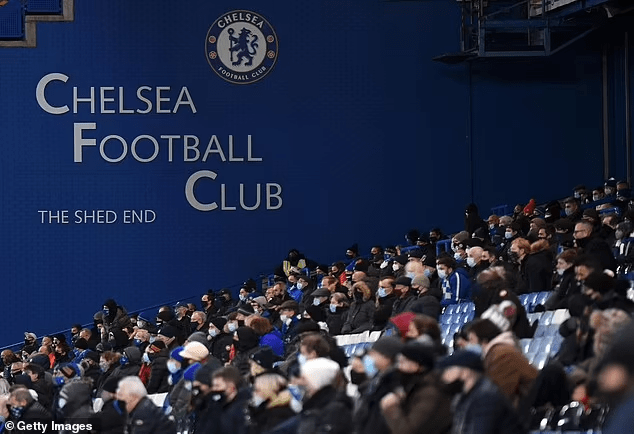
Chelsea now stand at another crossroads. The decision to sack Liam Rosenior may provide a short-term reset, but it does not guarantee long-term improvement.
The next managerial appointment will be crucial. The club must decide whether to continue pursuing a developmental approach or to bring in a more experienced figure capable of delivering immediate results.
More importantly, there must be alignment between ownership, management, and players. Without that, even the most talented squad can underperform.
Conclusion
Liam Rosenior’s time at Chelsea was brief and ultimately unsuccessful. Despite initial optimism, results never matched expectations, and the club acted decisively to halt the decline.
Yet, his departure is only part of the story. Chelsea’s struggles highlight broader issues that cannot be solved by changing the manager alone.
As the season enters its final phase, the focus shifts to recovery, reflection, and rebuilding. Whether Chelsea can use this moment as a turning point remains to be seen, but one thing is clear: the next steps will define the club’s immediate future.
