For 78 unforgettable minutes, Egypt were living a dream. The Pharaohs stood on the brink of producing the greatest result in their World Cup history, leading defending champions Argentina 2-0 in Atlanta. A place in the quarter-finals seemed within touching distance, and millions of Egyptians dared to believe that a new chapter was about to be written.
Then everything collapsed.
Three late Argentine goals, led by the brilliance of Lionel Messi, transformed celebration into devastation. But as the dust settled, the football itself was no longer the only talking point. Across Egypt, supporters, players and pundits were united by one belief: they had witnessed an injustice at the World Cup.
The controversy surrounding VAR decisions quickly overshadowed one of the tournament’s greatest comebacks, leaving many wondering whether Egypt had been denied the biggest victory in their football history.
Egypt Were Minutes Away From History
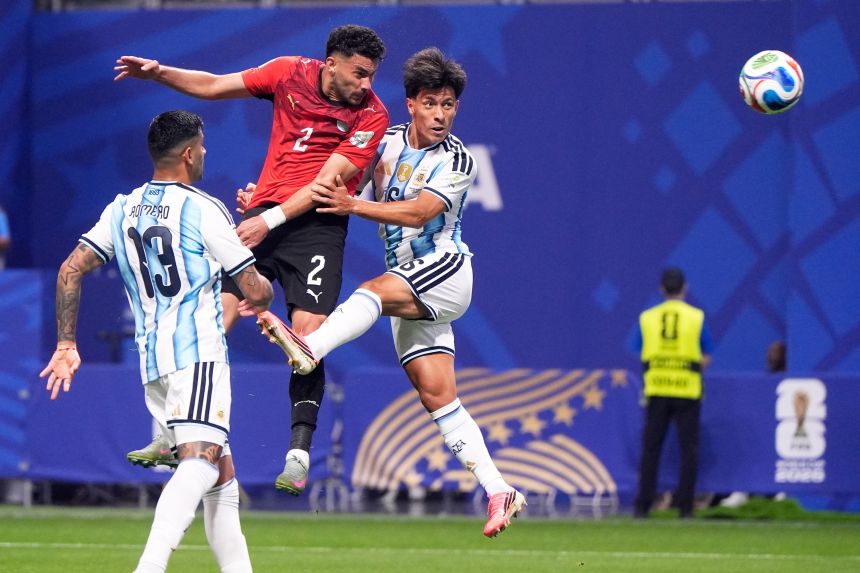
The story of injustice at the World Cup began against the backdrop of one of Egypt’s finest performances.
Before this tournament, Egypt had never won a World Cup match. They had arrived in North America hoping simply to improve a disappointing historical record.
Instead, they exceeded every expectation.
After defeating New Zealand in the group stage and overcoming Australia in the knockout round, Hossam Hassan’s side entered the last-16 clash against Argentina full of confidence.
Yasser Ibrahim’s towering header after 15 minutes stunned the defending champions.
Even when Lionel Messi had the chance to equalise from the penalty spot, goalkeeper Mostafa Shobeir produced one of the saves of the tournament to preserve Egypt’s lead.
When Mostafa Zico made it 2-0 midway through the second half, Egypt could almost see the quarter-finals.
Then controversy arrived.
The VAR Decision That Changed Everything
The biggest moment in the debate over injustice at the World Cup came before Egypt’s second goal.
Earlier in the contest, Zico had already celebrated what looked like another brilliant strike.
However, after a lengthy VAR review, the goal was ruled out.
Officials judged that midfielder Marwan Attia had committed a foul on Lisandro Martinez during the build-up after a slight tug of the shirt and minimal contact on the defender’s foot.
Technically, the decision could be justified within the Laws of the Game.
Yet many observers questioned whether it was consistent with how the tournament had been officiated.
Throughout the World Cup, referees had been instructed to allow more physical contests in an effort to keep matches flowing.
Many incidents involving similar levels of contact had not resulted in fouls.
That inconsistency became the foundation of Egypt’s claims of injustice at the World Cup.
Hossam Hassan Did Not Hold Back
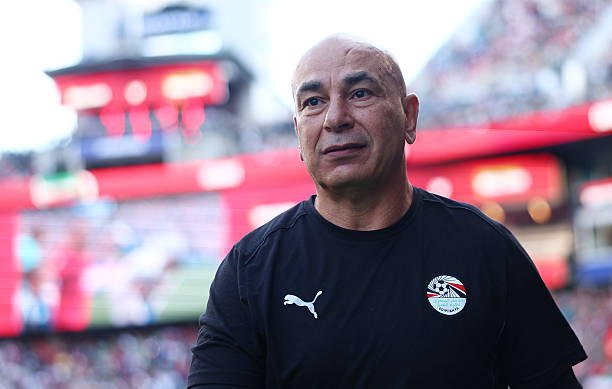
Egypt manager Hossam Hassan was furious after the final whistle.
The former international striker believed his side had been denied crucial decisions at decisive moments.
“We have been treated unfairly today. We have suffered injustice,” Hassan said.
He questioned the decision to disallow Zico’s goal and also criticised officials for failing to award a penalty after Mohamed Salah appeared to be fouled inside Argentina’s penalty area moments before Enzo Fernandez scored the winning goal.
Hassan even declared that he no longer wished to watch the remainder of the tournament because of what he believed was injustice at the World Cup.
It was an emotional reaction, but one that reflected the pain felt throughout Egypt.
Salah’s Penalty Appeal Adds More Fuel
The debate over injustice at the World Cup intensified during stoppage time.
Just seconds before Argentina launched the attack that produced Fernandez’s winner, Mohamed Salah went down inside the penalty area after contact from Julian Alvarez.
Egypt immediately appealed.
VAR checked the incident but decided there was insufficient contact to award a penalty.
Within moments, Argentina raced down the other end and scored the decisive goal.
For Egyptian supporters, it felt like the cruelest possible sequence.
Instead of celebrating a potential penalty that could have restored their advantage, they watched Argentina complete one of the greatest comebacks in World Cup history.
Dale Johnson Explains the Decisions Amid Claims of Injustice at the World Cup
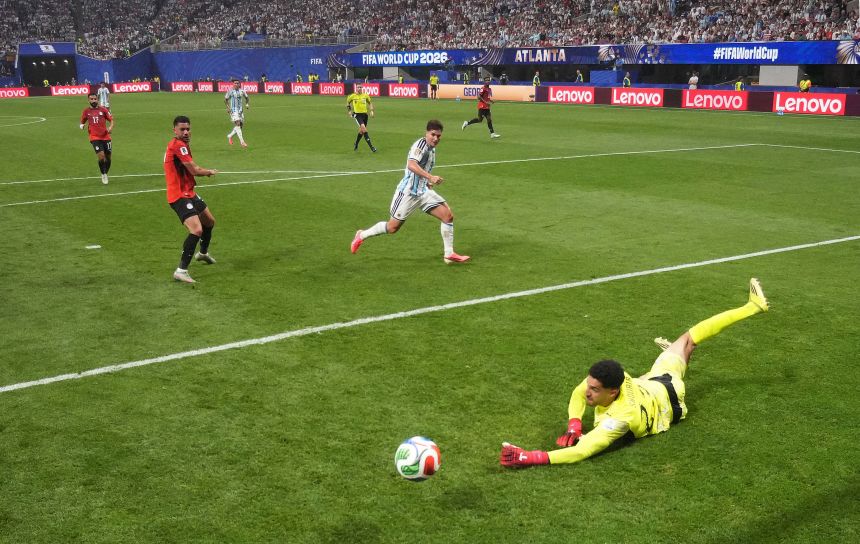
Football rules expert Dale Johnson acknowledged why the decisions generated so much debate.
He noted that FIFA referees had been instructed before the tournament to tolerate more physical challenges and avoid unnecessary interruptions.
That policy had produced fewer fouls than previous World Cups.
Against that background, Attia’s challenge on Martinez appeared relatively minor.
Johnson argued that while VAR was technically entitled to review the incident because it directly led to the goal, consistency remained the key issue.
If similar contact had been allowed elsewhere throughout the competition, many believed it should also have been ignored here.
This inconsistency became central to discussions about injustice at the World Cup.
Regarding Salah’s appeal, Johnson explained that penalties require a higher threshold for VAR intervention.
While many supporters disagreed with the outcome, officials judged the contact insufficient to overturn the on-field decision.
Pride Amid the Pain
Despite the heartbreak, Egypt’s tournament deserves enormous recognition.
Long before conversations about injustice at the World Cup, the Pharaohs had already rewritten their football history.
They earned their first-ever World Cup victory.
They reached the knockout rounds for the first time. They defeated Australia.
They pushed defending champions Argentina to the very edge of elimination. Most importantly, they earned global respect.
Throughout the tournament, Egypt displayed resilience, organisation and belief against some of the world’s strongest teams.
What About Mohamed Salah?
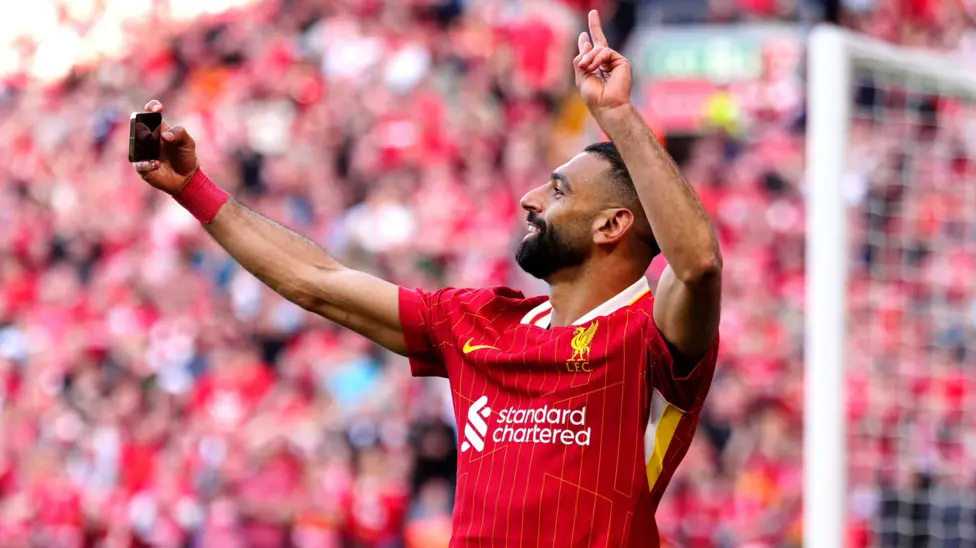
Another emotional storyline surrounds Mohamed Salah. The Liverpool legend will be 38 by the time the 2030 World Cup begins.
Nobody knows whether this was his final appearance on football’s biggest stage.
Against Argentina, Salah worked tirelessly but struggled to influence the game in attack. His strongest contribution came in the controversial penalty appeal that further fueled claims of injustice at the World Cup.
If this was indeed his final World Cup match, it ended in the most painful fashion imaginable.
Argentina Escape Again
While Egypt focused on refereeing decisions, Argentina celebrated another astonishing escape.
After requiring extra time to eliminate Cape Verde, Lionel Scaloni’s side once again recovered from the brink of elimination.
Cristian Romero started the comeback.
Messi restored hope.
Enzo Fernandez completed the turnaround in stoppage time.
The defending champions advanced, but their victory will forever be accompanied by fierce debate.
A Match That Will Never Be Forgotten
Years from now, this match will be remembered for far more than Argentina’s dramatic comeback.
It will also be remembered for the lingering questions surrounding injustice at the World Cup.
Egypt left Atlanta with broken hearts but enormous pride.
Their supporters may forever believe crucial decisions denied them the greatest victory in their football history.
Whether one agrees with the referees or not, one thing is certain.
The debate about injustice at the World Cup will continue long after this tournament ends, ensuring that Argentina’s remarkable comeback and Egypt’s heartbreaking exit remain among the defining stories of the 2026 FIFA World Cup.

3 comments
sitenizi takip ediyorum makaleler Faydalı bilgiler için teşekkürler
[…] Unity Cup Matchday 2: Goal Diggers and… Every FIFA World Cup Golden Ball Winners Ranked:… Injustice at the World Cup? Egypt Left Heartbroken… Onana Suffers Devastating ACL Injury at 2026 World… Argentina vs Egypt: Messi Inspires […]
[…] Unity Cup Matchday 2: Goal Diggers and… Every FIFA World Cup Golden Ball Winners Ranked:… Injustice at the World Cup? Egypt Left Heartbroken… Onana Suffers Devastating ACL Injury at 2026 […]