The Arizona Diamondbacks entered the MLB trade deadline firmly in the National League Wild Card race, knowing that a strong finish to the season could once again put them in position for a deep postseason run. However, despite adding outfielder Lars Nootbaar to strengthen their roster, several analysts believe Arizona failed to do enough to keep pace with its playoff rivals.
While Nootbaar addresses an important need in the outfield, critics argue that the Diamondbacks left significant holes unfilled, particularly on the pitching side, leading one prominent baseball analyst to name the club a trade deadline loser after this year’s deadline activity.
Diamondbacks strengthen lineup with Lars Nootbaar
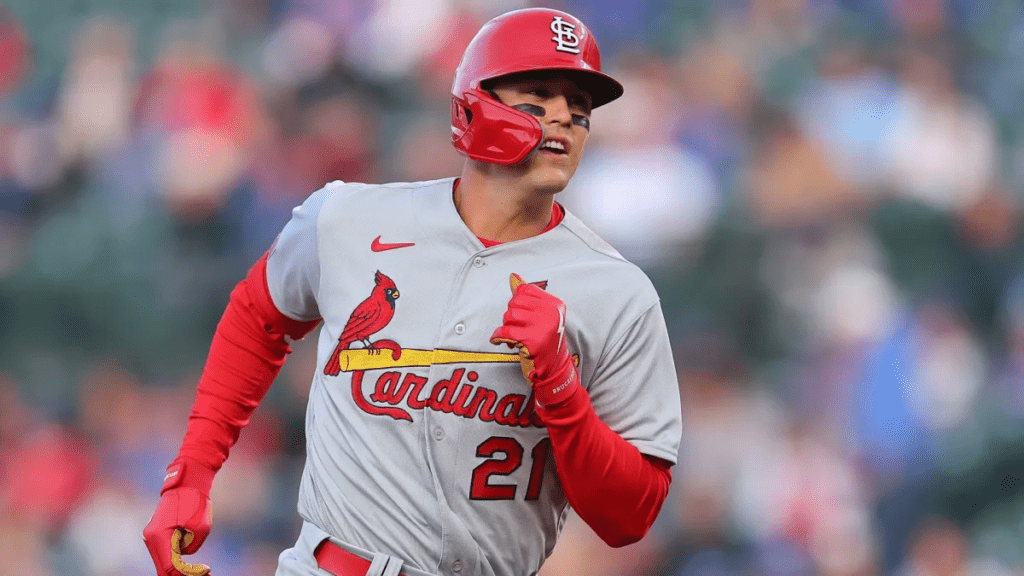
Arizona’s headline move before the MLB trade deadline was the acquisition of Lars Nootbaar from the St. Louis Cardinals, a deal designed to improve both the club’s offense and outfield defense.
Nootbaar arrives with valuable major league experience and is widely regarded as a dependable two-way player capable of contributing on both sides of the ball. His defensive reliability and disciplined approach at the plate give Arizona another quality option as the club battles for one of the National League’s Wild Card spots.
For a team seeking more consistency throughout its lineup, adding Nootbaar represents a sensible move that addresses one of its immediate roster needs.
Why Arizona was named a trade deadline loser
Despite bringing in Nootbaar, The Athletic’s Andy McCullough included Arizona among the biggest trade deadline loser teams following this year’s deadline.
According to McCullough, while the addition fills an obvious gap, it falls well short of the improvements necessary for the Diamondbacks to emerge from an increasingly competitive National League playoff race.
He suggested that Arizona’s biggest weakness remains run prevention rather than offensive production, noting that the club failed to acquire enough pitching help to significantly improve its chances against stronger postseason contenders.
The criticism reflects a broader belief that the Diamondbacks addressed only part of their problem while leaving another critical area largely untouched.
Pitching remains Arizona’s biggest concern
Throughout the season, Arizona has shown it can compete offensively with many of the National League‘s best teams, but inconsistency on the mound has repeatedly undermined those efforts.
Adding another proven starting pitcher or high-leverage reliever would have strengthened the roster considerably and eased the pressure on the existing pitching staff during the final months of the campaign.
Instead, the front office chose a more conservative approach during the MLB trade deadline, prioritizing long-term organizational stability over aggressive short-term upgrades.
While that strategy protects Arizona’s farm system, it also raises questions about whether the current roster possesses enough pitching depth to survive October baseball if the team qualifies.
Front office avoids sacrificing top prospects

One reason Arizona’s activity remained relatively modest appears to be the organization’s unwillingness to part with elite young talent.
Several impact pitchers reportedly commanded significant prospect packages before the deadline, and the Diamondbacks chose not to meet those asking prices.
That decision reflects the franchise’s commitment to maintaining sustainable success rather than risking its future for a short-term playoff push.
Considering how valuable homegrown prospects have become across Major League Baseball, Arizona’s cautious approach is understandable, even if it resulted in being labeled a trade deadline loser by some observers.
Wild Card race remains within reach
Although the Diamondbacks did not dominate the MLB trade deadline, their postseason ambitions remain very much alive.
Arizona currently occupies one of the National League Wild Card positions and continues battling several clubs for playoff qualification. Winning the NL West appears highly unlikely with the Los Angeles Dodgers maintaining control of the division, making the Wild Card route the franchise’s clearest path into October.
If the postseason began today, the Diamondbacks would likely face the Chicago Cubs in a best-of-three Wild Card series, a matchup that presents both opportunities and challenges.
Their experience from previous playoff runs also serves as a reminder that once a team reaches October, regular-season expectations often become irrelevant.
Lessons from previous postseason success
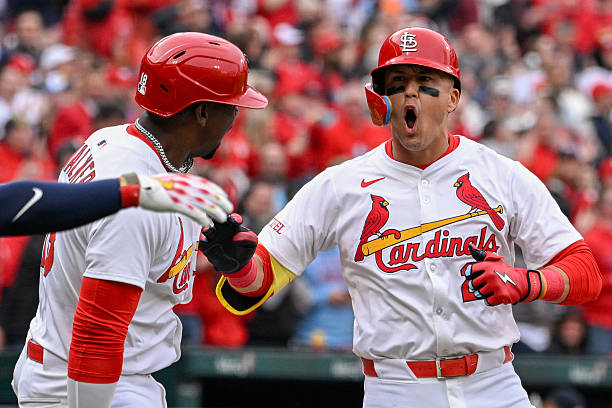
Arizona’s front office may have drawn confidence from the organization’s remarkable postseason journey three years ago, when the Diamondbacks reached the World Series despite entering the playoffs as a Wild Card team.
That experience demonstrated that a club does not necessarily need the league’s strongest regular-season record to compete for a championship.
However, postseason success also depends heavily on pitching depth, which explains why many analysts believed Arizona should have invested more heavily in strengthening its rotation before the deadline.
If the Diamondbacks make another deep playoff run, the conservative strategy could ultimately prove wise. Conversely, an early postseason exit caused by pitching shortcomings would likely renew criticism of the club’s limited deadline activity.
Can Lars Nootbaar make the difference?
Lars Nootbaar certainly improves Arizona’s overall roster, bringing defensive versatility, postseason experience and offensive balance to a lineup that needed additional consistency.
Nevertheless, expecting one outfielder to transform an entire playoff contender may be unrealistic.
The Diamondbacks’ success over the remainder of the season will depend far more on whether their pitching staff can consistently limit opposing offenses than on any single offensive acquisition.
Nootbaar provides value, but he cannot address every weakness by himself.
Diamondbacks still have time to prove critics wrong
Being labeled a trade deadline loser immediately after the MLB trade deadline does not guarantee failure. History has repeatedly shown that deadline grades often look very different once the postseason concludes.
Arizona still possesses enough talent to secure a playoff berth, particularly if its core players perform consistently and the pitching staff finds greater stability down the stretch. While critics believe the Diamondbacks should have done considerably more before the deadline, the organization clearly prioritized long-term flexibility over blockbuster acquisitions.
The coming weeks will determine whether that cautious approach proves to be a costly missed opportunity or another example of a front office trusting the roster it had already built.

1 comment
[…] Sport News & Events Trade deadline disappointment for Brewers after missing out… Diamondbacks labeled trade deadline loser despite Lars Nootbaar… Jacob deGrom blocks Braves’ ace trade as Rangers… Patrick Mahomes drops to No. 4 in […]