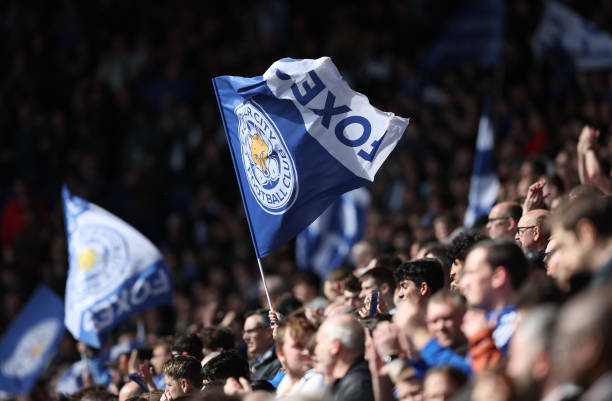
Leicester City have been put on the market for more than £200m, with King Power ready to end its 16-year ownership of the club following one of the most dramatic periods of success and decline in the Foxes’ modern history.
The Thai ownership group, which bought Leicester for £35m in 2010, oversaw the club’s extraordinary rise from the Championship to Premier League champions before recent financial problems and successive relegations transformed the picture at the King Power Stadium.
An eight-page sales brochure, titled Project Lineup, has now been prepared to attract prospective investors, with Citigroup presenting Leicester as a rare opportunity to acquire a club with significant infrastructure, a successful history and considerable potential for future growth.
Yet the proposed sale comes at a difficult moment. Leicester are preparing for life in League One after back-to-back relegations, meaning any potential buyer would inherit a club far removed from the side that completed one of football’s greatest achievements by winning the Premier League in 2016.
Leicester City up for sale after 16 years of King Power ownership

The decision to put Leicester on the market signals a potentially historic turning point for the club. King Power has owned Leicester since 2010, when the Srivaddhanaprabha family purchased the Foxes from Milan Mandaric for £35m.
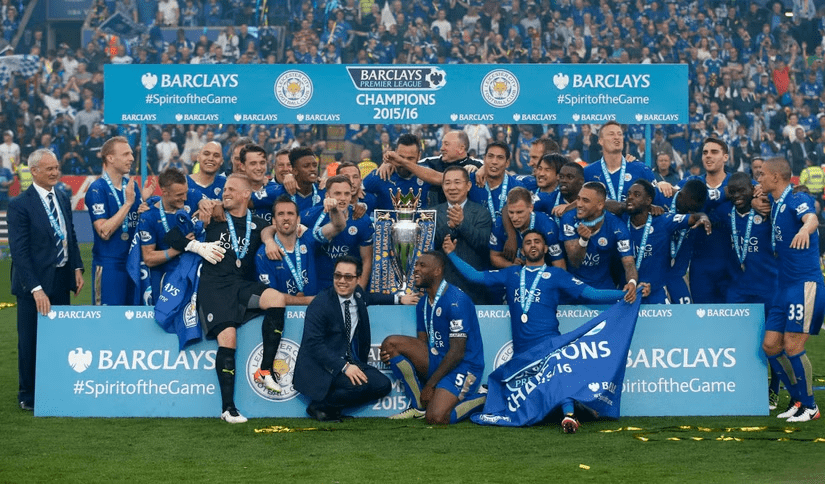
During that period, Leicester experienced a transformation few clubs could have imagined. Promotion to the Premier League was followed by the unforgettable 2015-16 title triumph, when the club overcame odds of 5,000-1 to become champions of England.
The remarkable success did not end there. the Foxes also lifted the FA Cup in 2021, adding another major trophy to an era that permanently changed expectations around the club.
However, the recent story has been far less positive. Leicester have suffered two relegations from the Premier League in three years between 2023 and 2025 before subsequently dropping out of the Championship and into League One.
King Power chairman Aiyawatt ‘Top’ Srivaddhanaprabha took responsibility for the club’s decline earlier this year, while supporters have increasingly called for a change in ownership following the Foxes’ rapid fall.
The sale process, therefore, could mark the end of one of the most significant ownership eras in English football.
Leicester sale brochure highlights more than £200m in assets
Citigroup’s sales document includes much more than the men’s football team. The proposed package covers Leicester’s women’s team and several major physical assets, including the 32,000-seat King Power Stadium and the Seagrave training facility.
Opened in 2020, the Seagrave complex is valued at £121m and represents one of the major assets available to any prospective buyer. Leicester’s Belgian sister club, OH Leuven, is also included in the wider sale package.
According to the brochure seen by BBC Sport, the club’s physical assets are valued at more than £200m. However, no specific valuation has been placed on the football teams themselves.
The sales pitch describes Leicester as a club with an “excellent track record of winning promotions to higher divisions”, while also highlighting its academy and scouting structure as important long-term strengths.
Leicester’s academy has continued to produce valuable talent, with academy graduate Jeremy Monga joining Manchester City in a £10m move last month.
The brochure also forecasts turnover of more than £97m for the 2026 financial year, presenting another element of the club’s commercial appeal to potential investors.
Leicester’s remarkable success remains a major selling point
For all the current uncertainty, Leicester possess a footballing history that remains attractive to potential buyers.
The club is being presented as one of only five teams to have won all three major English domestic trophies, namely the Premier League, FA Cup and League Cup, since 2000.
That extraordinary record reflects the heights Leicester reached during the King Power era. The 2016 Premier League triumph remains one of the greatest underdog stories in sporting history, while the FA Cup success five years later demonstrated that the club’s achievements were not limited to one remarkable season.
The sales brochure naturally emphasises those successes. However, Leicester’s present position in League One is not included in the promotional material.
That omission shows the challenge facing prospective buyers. Leicester retain strong facilities, an established academy and a globally recognizable recent history, but the club’s immediate footballing reality is considerably more complicated.
Financial problems add to the challenge for potential buyers

While the projected turnover and major assets feature prominently in the sales material, Leicester’s recent financial difficulties provide important context for any takeover.
The club lost more than £180m during the years in which it moved between the Premier League and Championship. Its 2025 accounts also included £103.6m in bank loans.
Those figures illustrate the financial consequences of Leicester’s decline, particularly after the club’s two Premier League relegations in three years and its subsequent drop into the third tier.
The wider difficulties have coincided with financial challenges affecting the King Power duty-free business in Thailand, which has been closely connected with the club since the Srivaddhanaprabha family acquired the club.
Any new owner would therefore face a substantial rebuilding task. Leicester’s infrastructure provides a strong foundation, but returning the club to the Premier League would require time, investment and a clear long-term sporting strategy.
What happens next for Leicester?

Leicester begin their latest League One campaign under head coach Russell Martin, with a trip to Notts County marking the start of a crucial new chapter.
The club has been relegated to the third tier for only the second time in its history, making promotion the immediate priority while the search for new investors continues in the background.
The club declined to comment when contacted about the sales brochure, but the circulation of Project Lineup offers the clearest public indication yet that King Power is actively seeking a new owner.
For supporters, the prospect of a sale brings both hope and uncertainty. King Power delivered the greatest period in the club’s history, but the standards created by those unforgettable achievements have made the subsequent decline increasingly difficult to accept.
Leicester now stands at a crossroads. The club’s stadium, training ground, academy and trophy-winning history could make it an appealing proposition for the right investor, but its new owner would inherit the demanding task of restoring a fallen Premier League champion.
The King Power era could soon be coming to an end, leaving the next chapter of the Foxes’ extraordinary story in the hands of whoever decides to take on one of English football’s most fascinating rebuilding projects.
