The future of Kyrie Irving with the Dallas Mavericks continues to attract attention around the NBA, despite the franchise repeatedly making it clear that the nine-time All-Star is not available for an offseason trade. At the center of the speculation, however, is not simply Irving’s age or his recovery from a serious knee injury, but the presence of teenage franchise cornerstone Cooper Flagg, whose arrival has created one of the league’s most unusual superstar pairings.
Dallas appears determined to begin the 2026-27 season with Irving and Cooper Flagg sharing the court, giving the Mavericks an opportunity to discover whether the veteran guard and the teenage forward can develop into a productive partnership. Rival teams, however, have not completely accepted that the Mavericks’ position will remain unchanged once the season begins and the February trade deadline approaches.
Cooper Flagg changes the equation for Kyrie Irving
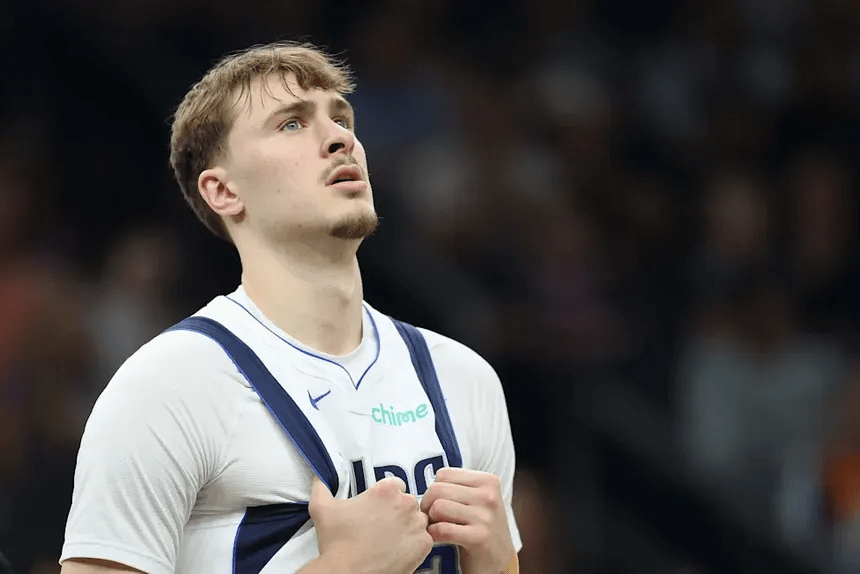
The arrival of Cooper Flagg has fundamentally changed the timeline of the Mavericks’ roster, because Dallas now has a 19-year-old franchise centerpiece whose development is likely to shape virtually every major decision the organization makes over the next several seasons.
Irving, by contrast, is entering his mid-30s and is returning from ACL surgery, meaning his career timeline is naturally very different from that of Cooper Flagg. The 15-year age gap between the two players is extraordinary for a team expected to rely on both of them as major pieces, and that contrast is precisely what has encouraged rival executives to keep monitoring the situation.
According to NBA insider Marc Stein, rival teams continue to wonder how firmly Dallas will maintain its position on Irving once the regular season begins and the February 11 trade deadline draws closer.
The Mavericks have consistently rejected trade interest in Irving since the middle of the offseason, including approaches from teams such as Detroit and Minnesota, but rival organisations apparently believe circumstances could eventually force Dallas to reconsider.
That does not mean Irving is currently being shopped, because there is little indication that Dallas has changed its position. Instead, the Cooper Flagg factor has created a long-term question about whether the Mavericks’ priorities will eventually become more aligned with the development of their teenage star.
Irving’s return will provide crucial answers
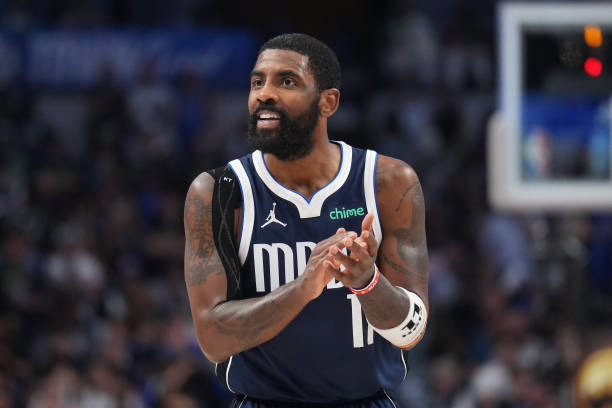
The most important development for Dallas will not come from trade rumours or speculation, but from what happens when Irving finally returns to competitive basketball.
The veteran guard is expected to return during the 2026-27 season after recovering from his ACL injury, and his performances alongside Cooper Flagg could provide the Mavericks with information that simply cannot be obtained during an offseason trade discussion.
If Irving returns looking like the dynamic playmaker and scorer who has made him one of the NBA’s most accomplished guards, Dallas could have every reason to remain committed to the pairing. His experience, shot creation and ability to handle pressure could complement Cooper Flagg, allowing the young star to develop without immediately carrying the entire offensive burden.
A successful partnership would also make an offseason trade involving Irving far less attractive, particularly if Dallas believes the veteran can help guide the franchise through the early stages of Flagg’s career.
There is another possibility, however, because Irving’s return could expose weaknesses in the partnership that are impossible to identify before the two players share meaningful NBA minutes.
If the fit proves awkward, if injuries remain a concern or if Dallas struggles to balance the timelines of its two most important players, rival teams could become more aggressive before the deadline.
Cooper Flagg gives Dallas a reason to be patient
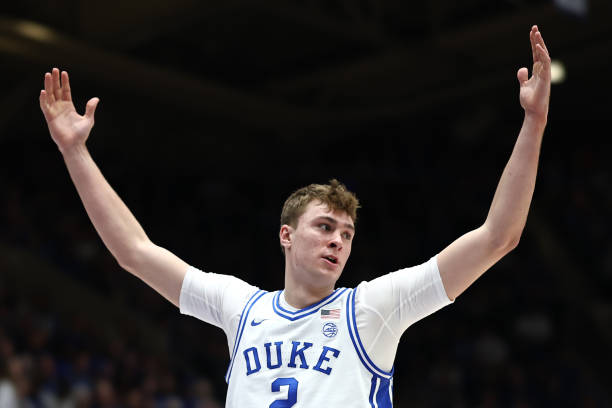
For now, the Mavericks have little reason to rush into an offseason trade involving Irving, particularly because Cooper Flagg is still at the beginning of his professional career.
The teenager represents a long-term project, and Dallas needs to understand what type of supporting cast will best complement him before making a decision that could significantly reshape the roster. Trading Irving prematurely could leave the Mavericks without the veteran leadership and offensive creativity required to help their young star compete immediately.
At the same time, keeping Irving does not necessarily mean Dallas has committed to him for the remainder of his career. The organization can begin the season with the veteran guard, evaluate his health and chemistry with Cooper Flagg, and then reassess the situation as the trade deadline approaches.
That flexibility is probably the most sensible approach, because Dallas has nothing to gain from making a major decision before seeing its new-look roster in competitive action.
For rival teams, however, patience works in their favor as well, because every Mavericks game will provide another opportunity to assess whether Irving remains a perfect fit alongside Cooper Flagg.
Rival teams are waiting for Dallas to blink
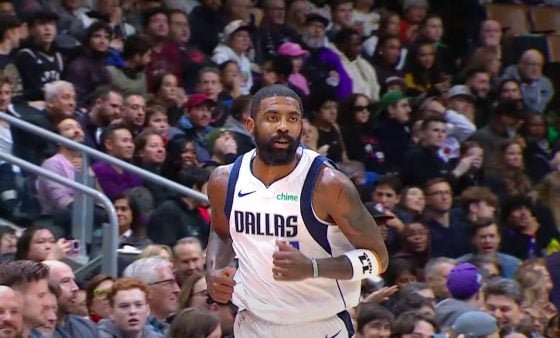
The continued interest from rival teams does not necessarily suggest that they expect Dallas to trade Irving immediately, but it does show that they believe circumstances can change quickly once the season begins.
A team that has repeatedly rejected an offseason trade proposal could view the situation differently several months later if its roster underperforms, particularly if Irving’s return creates unexpected questions about the Mavericks’ long-term direction.
Detroit and Minnesota have already shown interest, while other teams could enter the picture if Irving proves healthy and productive enough to attract serious offers.
The presence of Cooper Flagg makes the situation particularly intriguing because rival executives understand that Dallas cannot afford to waste the early years of its teenage superstar’s career.
If the Mavericks believe Irving gives Cooper Flagg the best chance to succeed immediately, they will have little incentive to listen to offers. If they conclude that the roster needs to be reorganized around the younger star, however, Irving could become one of the most interesting names available at the trade deadline.
For now, the Mavericks’ message remains clear: Irving is staying, and Cooper Flagg will get the chance to build a partnership with him on the court.
But the NBA trade market rarely stays quiet for long, and rival teams are clearly prepared to wait. The combination of Irving’s age, his return from ACL surgery and the extraordinary 15-year gap between him and Cooper Flagg means that Dallas will eventually have to answer a much larger question about the direction of its franchise.
Until then, rival teams will keep watching, keep asking questions and keep testing the Mavericks’ resolve, because the first few months of the season could determine whether Irving remains beside Cooper Flagg for the long haul or becomes one of the biggest names available at the next trade deadline.
