Lionel Messi retires from international football bringing an extraordinary 21-year chapter with the Argentina national team to an emotional close. The 39-year-old made the announcement on Monday, confirming a decision he had already reached shortly after Argentina’s defeat by Spain in the 2026 World Cup final, while revealing that the death of his father, Jorge Messi, had made him even more certain that the time was right to walk away.
Messi leaves the international stage as Argentina’s most-capped player and all-time leading scorer, having made 207 appearances and scored 125 goals for his country. His final match came in the 2026 World Cup final, where Argentina lost 1-0 to Spain, denying him the fairytale ending of lifting another World Cup trophy after the triumph in Qatar four years earlier.
Lionel Messi retires from international football after 21 unforgettable years
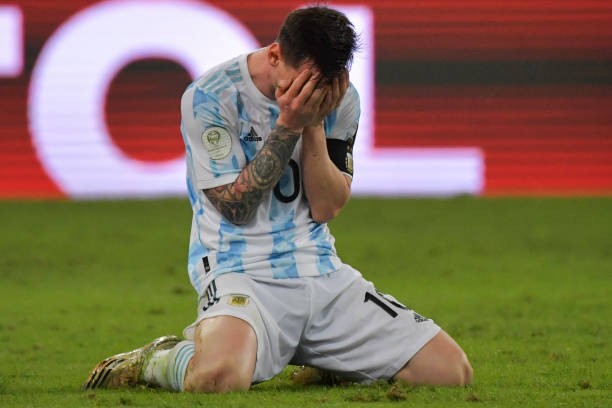
Messi’s announcement carried the weight of a career that began when he made his senior Argentina debut as an 18-year-old in 2005. Over the following two decades, he experienced almost every emotion football could offer, from painful defeats in major finals and fierce criticism at home to the extraordinary satisfaction of finally leading his country to international glory.
In his farewell message, Messi explained that he had written the words on July 21, only two days after Argentina’s World Cup final defeat to Spain, but the events that followed strengthened rather than weakened his resolve. His father’s death on August 8 added another deeply personal dimension to a decision that Messi described as painful but necessary.
The timing also makes clear that the retirement was not an impulsive response to the disappointment of losing the final. Messi had already spent considerable time reflecting on his future, and by the time he made the decision public, he had reached the conclusion that another generation deserved the opportunity to carry Argentina’s shirt forward.
“I love, I loved, and I will always love being part of the national team,” Messi said in his statement, while making clear that he believed he had given everything he could to the cause.
A glorious legacy with the Argentina national team
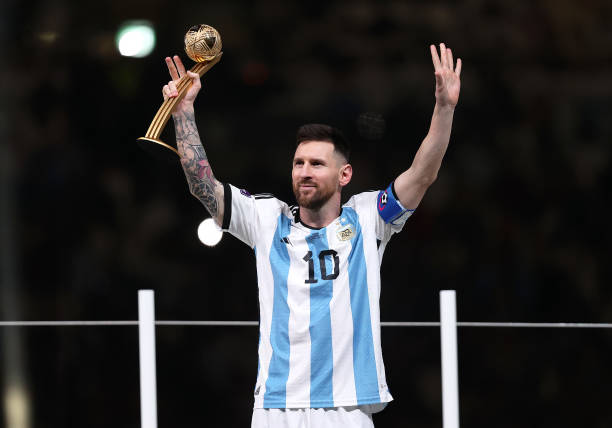
There was a time when Messi’s international career appeared destined to be remembered more for disappointment than achievement. Argentina reached the 2014 World Cup final but lost to Germany, while defeats in the 2015 and 2016 Copa America finals placed enormous pressure on the Barcelona legend.
The criticism became so intense that Messi briefly announced his international retirement after the 2016 Copa America final defeat by Chile, although he subsequently reversed that decision and returned to the national team.
That comeback ultimately changed the story of his career.
Messi won his first major senior international trophy when Argentina defeated Brazil in the 2021 Copa America final, before adding the Finalissima against Italy in 2022. Later that year came the defining achievement of his career, as he inspired Argentina to their third World Cup title in Qatar, defeating France in a dramatic final that many regard as one of the greatest World Cup matches ever played.
He then helped Argentina win another Copa America in 2024, establishing a period of unprecedented success for the modern Argentina national team. Messi’s international career therefore ends with a collection of major honours that few players in football history can match.
His final World Cup campaign also demonstrated that age had not entirely diminished his extraordinary influence. Messi scored eight goals and supplied four assists during the 2026 tournament, helping Argentina reach the final before Spain ultimately ended their campaign.
Messi leaves Argentina with records that may stand for generations

Beyond the trophies, Messi’s statistical legacy is almost impossible to overlook. His 207 appearances make him Argentina’s most-capped player, while his 125 goals place him comfortably at the top of the country’s scoring charts.
His importance to the national side extended beyond goals and assists, however, because Messi became the central figure through which an entire generation experienced Argentina’s greatest footballing moments. His influence was particularly significant after the difficult years when the national team repeatedly fell short in major finals, with the 2021 Copa America triumph finally allowing him to silence many of the doubts surrounding his international legacy.
By the time he lifted the World Cup in 2022, the narrative had changed completely. The player once accused by some critics of failing to reproduce his club brilliance for Argentina had become the captain who delivered the country’s greatest prize.
Now, that story has reached its final page.
Messi also made it clear that retirement does not mean turning his back on the country. Instead, he intends to support the national team from outside the dressing room, describing himself as one of the supporters who will remain behind the players during the good moments and, perhaps even more importantly, during the difficult ones.
His farewell therefore feels less like an abandonment of Argentina than a passing of responsibility to those coming next. Messi specifically acknowledged the emergence of younger players who deserve their opportunity, signalling his belief that the national team must now begin preparing for life beyond its greatest modern star.
After 21 years, 207 appearances, 125 goals and a collection of trophies that finally fulfilled his greatest ambition, Lionel Messi retires from international football knowing that he gave Argentina everything he had. His final chapter may have ended in defeat, but the larger story is one of redemption, resilience and an extraordinary love affair between a player and the country he spent his career trying to make proud.
