Chelsea staff using Fantasy Premier League has become a concern for the club after team selections appeared to reveal confidential information about Joao Pedro’s availability before the team’s 2-0 home defeat against Tottenham. The club has since sent an email reminding employees to exercise caution when participating in Fantasy Premier League (FPL) and other public gaming platforms, warning that seemingly harmless decisions could expose sensitive team information.
The incident has raised questions about the relationship between football’s growing fantasy gaming culture and the responsibility of club employees to protect confidential information. Although Chelsea are not planning to introduce additional restrictions, they want players and staff to understand the potential consequences of revealing information that has not been made public.
Chelsea staff using Fantasy Premier League warned after leaks
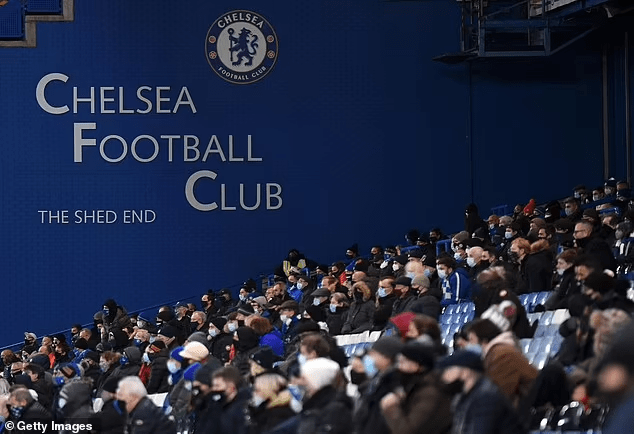
Chelsea’s warning followed claims that Joao Pedro’s injury had been indirectly disclosed through Fantasy Premier League team selections before the club announced his absence.
The forward was a surprise omission from Chelsea’s squad for the 2-0 defeat against Tottenham, with his absence later attributed to a quad injury. However, several influential FPL content creators claimed to have noticed that Morgan Rogers, alongside members of Chelsea’s staff, had removed Pedro from their fantasy teams before kick-off at Stamford Bridge.
The changes attracted attention because Chelsea had not officially communicated any information about the player’s fitness at the time. For those closely following Fantasy Premier League activity, the selections appeared to suggest that certain individuals possessed information about Pedro’s availability before it became public.
Chelsea subsequently sent an email to staff highlighting the risks associated with using inside information when participating in fantasy competitions. The message reminded employees that team selections and other decisions made on public platforms could unintentionally reveal which players were unavailable, injured or approaching a return to action.
The club’s concern is not necessarily that employees are participating in fantasy football, but that their knowledge of internal developments could influence decisions that are visible to millions of other users.
Joao Pedro’s injury exposes growing challenge for Chelsea

Joao Pedro’s injury has become the latest example of how information within a football club can emerge before an official announcement.
The Brazilian forward has not featured for Chelsea since their victory against Everton last month, with his quad problem keeping him out of subsequent matches. His unexpected absence against Tottenham attracted attention, particularly because information about his fitness had apparently circulated among sections of the Fantasy Premier League community beforehand.
Chelsea manager Xabi Alonso said he was unaware of the situation when questioned by BBC Sport following the defeat.
“I am not into the fantasy team thing, so I didn’t know that,” Alonso responded.
The 44-year-old has generally been guarded when discussing injury matters during media conferences since joining Chelsea in the summer. The club’s preference for controlling the release of information makes the apparent disclosure through fantasy team selections particularly uncomfortable.
For managers, knowing when an important player is unavailable can influence preparations, tactical decisions and discussions with opponents. Even when information is revealed indirectly, it can undermine the club’s efforts to maintain control over its communications.
Chelsea therefore want staff to recognise that their online activities can have consequences beyond the fantasy competition itself.
Chelsea have experienced several team news leaks

The latest incident is not the first time Chelsea have dealt with confidential team information becoming public before important matches.
During Liam Rosenior’s four-month spell as manager last season, the club experienced leaks involving team selections before both legs of their Champions League defeat against Paris Saint-Germain.
Another incident involved former Chelsea defender Marc Cucurella, whose barber reportedly disclosed on social media that Joao Pedro and Cole Palmer would miss a trip to Brighton after discussing the matter with his client.
These examples illustrate the different ways information can travel beyond a club’s immediate environment. While the latest situation involved Fantasy team selections, previous incidents have demonstrated that conversations, personal relationships and social media activity can also expose information.
Chelsea will therefore want to improve awareness among employees without necessarily imposing restrictions on every aspect of their personal online activity.
Fantasy Premier League’s growing influence on football
Fantasy Premier League has developed into a major part of the wider football ecosystem, with more than 11 million people reportedly participating in the competition.
Its popularity has created an extensive community of content creators, analysts and supporters who monitor player availability, transfers, statistics and team selections. As a result, even small changes to a fantasy team can attract attention, particularly when they involve players whose fitness has not been officially discussed.
There have been similar claims involving individuals connected to Arsenal, Liverpool, Leicester City and Newcastle United. One of the most prominent historical examples involved former Aston Villa forward Jack Grealish, whose omission from the squad before a match against Leicester City in February 2021 became public through information circulating ahead of kick-off.
Leicester manager Brendan Rodgers later acknowledged that he had been aware of rumours surrounding Grealish’s injury before the match, which his team won.
Despite these concerns, the Premier League does not provide specific guidance to clubs on how employees should participate in Fantasy Premier League. The competition has strict rules prohibiting gambling, but participation by people working within clubs is generally treated as an issue for individual organisations to manage.
Chelsea currently regard the latest incident as an isolated matter that can be addressed through greater awareness rather than additional restrictions.
The club’s message is straightforward: employees must be careful about how their access to confidential information influences their public activities. With Fantasy Premier League continuing to attract millions of participants, protecting team news has become another challenge for football clubs operating in an increasingly connected environment.
