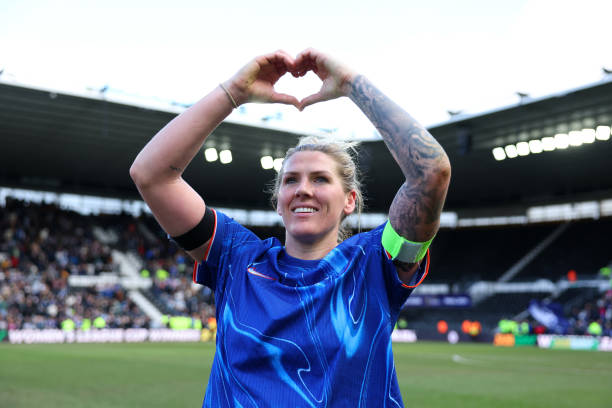
Chelsea captain Millie Bright has officially announced her retirement from professional football, bringing an extraordinary chapter in English women’s football to a close. At 32, the former Chelsea Women defender steps away after a career defined by dominance, leadership, and consistency at the highest level.
Her decision, while sudden in timing, reflects a culmination of physical challenges and a natural transition point in both her career and the evolution of the modern game. For Chelsea and England, this is more than a retirement. It is the end of an era shaped by one of the sport’s most influential defenders.
A Chelsea Career Built on Excellence
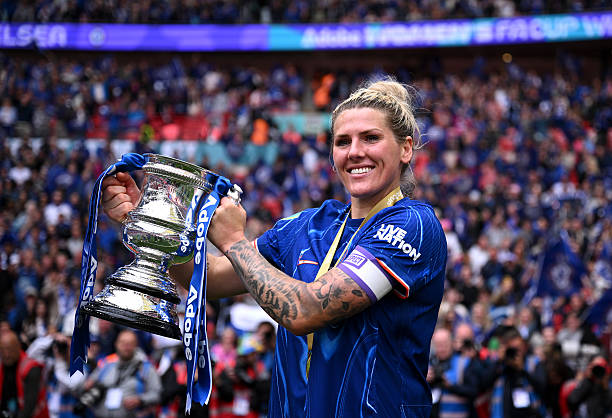
When Millie Bright joined Chelsea from Doncaster Rovers Belles in 2015, few could have predicted the scale of success that would follow. Over nearly a decade, she became the heartbeat of Chelsea’s defense and a cornerstone of their domestic dominance.
Bright made 294 appearances for the Blues, captaining the side from 2023 and leading them through one of the most successful periods in Women’s Super League history. During her time at the club, Chelsea secured eight Women’s Super League titles, including a remarkable run of six consecutive championships between 2020 and 2025.
Her trophy cabinet reflects sustained excellence. Six FA Cups and four League Cups further underline her role in building a dynasty. Bright was not simply part of Chelsea’s success. She defined it, setting defensive standards that others were forced to match.
England Women’s Football Team Career and International Impact
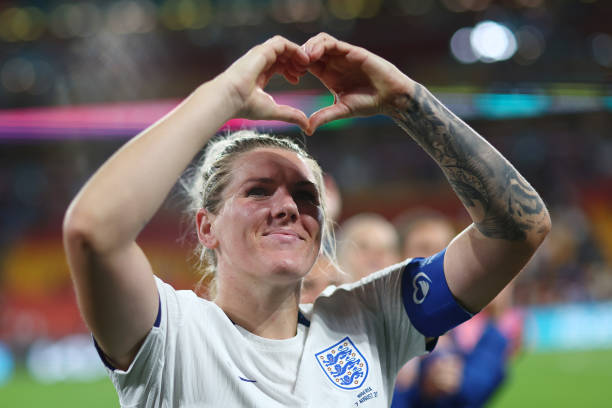
On the international stage, Millie Bright’s influence extended far beyond appearances. With 88 caps for England women’s national football team, she became a central figure in one of the most transformative periods in English football history.
Her defining moment came during the UEFA Women’s Euro 2022, where she started every match as England lifted their first major trophy. That triumph not only elevated the Lionesses but also changed the visibility and perception of women’s football across the country.
She continued her leadership role at the 2023 FIFA Women’s World Cup, captaining England to the final in the absence of Leah Williamson. Throughout that campaign, Bright embodied resilience and authority, often serving as the defensive anchor in high-pressure moments.
Her contributions were recognised globally, including multiple inclusions in the FIFPro World XI and an OBE honour for services to football.
Why Millie Bright Retired Now
The timing of Millie Bright’s retirement is closely tied to physical and professional realities. An ankle injury has kept her out of action since February, disrupting what could have been a final push toward another league title.
Beyond injury, there has been a gradual shift in England’s defensive structure. Emerging talents such as Maya Le Tissier, Esme Morgan, and Lotte Wubben-Moy have begun to establish themselves, signaling a generational transition.
Bright had already stepped away from international football in 2025, citing the need to maintain both physical and mental standards. Her decision to retire at club level follows the same logic. Rather than prolong her career under diminishing conditions, she has chosen to exit on her own terms.
Chelsea Women Legend
Millie Bright’s presence at Chelsea went far beyond defensive duties. She was a leader in every sense, commanding respect on the pitch and shaping the culture within the dressing room.
Her partnership with former manager Emma Hayes played a crucial role in Chelsea’s rise. Under Hayes, Bright developed into one of Europe’s most reliable centre-backs, combining physical dominance with tactical intelligence.
Teammates such as Sam Kerr, Erin Cuthbert, and Guro Reiten benefited from the stability she provided. Her ability to win duels, organize the backline, and step up in crucial moments made her indispensable during Chelsea’s peak years.
Even in attack, Bright had her moments. Her unexpected goal-scoring contributions, including standout performances in tournaments like the Arnold Clark Cup, highlighted her versatility.
A Difficult Final Chapter
While her career is filled with success, the final chapter has been far from ideal. Chelsea’s current campaign has fallen short of expectations, with the club trailing in the title race and exiting the Champions League earlier than hoped.
Injuries prevented Bright from contributing during this crucial period, denying her the opportunity to influence Chelsea’s push for silverware. For a player who thrived on big occasions, this absence likely played a significant role in her decision.
Despite this, her legacy remains intact. A difficult ending does not diminish a career defined by consistency at the highest level.
What Comes Next for Chelsea After Millie Bright Retirement
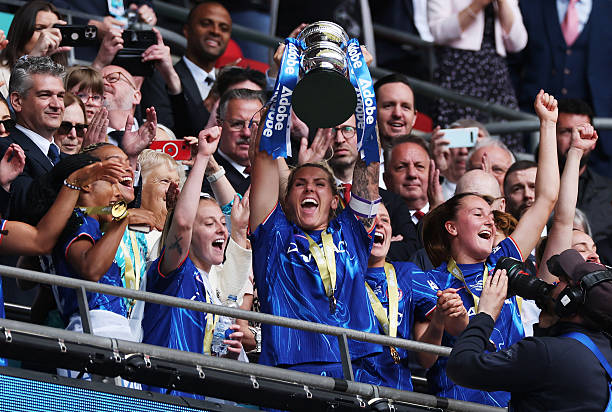
Chelsea now face a significant transition. The departure of Millie Bright creates both a leadership vacuum and a tactical challenge. While younger defenders are emerging, replacing her experience and authority will not be straightforward.
Under Sonia Bompastor, Chelsea are expected to reshape their squad. The summer transfer window will be critical as the club looks to rebuild and return to dominance.
The shift is already underway. Players like Veerle Buurman represent the future, but the immediate challenge lies in maintaining competitiveness while integrating new talent.
Millie Bright’s Next Chapter
Although she has retired from playing, Millie Bright will remain closely connected to Chelsea. She takes on a role as a club ambassador while continuing her work with the Chelsea Foundation.
Off the pitch, Bright has already begun building her presence. Her “Daly Brightness” podcast with Rachel Daly has given fans insight into the personalities behind the game, while her advocacy for mental health and grassroots football continues to grow.
She has also been a vocal supporter of equal access to football for young girls, playing a key role in pushing for structural change following England’s Euro 2022 success.
A Legacy That Transcends Statistics
Millie Bright’s legacy cannot be measured solely in appearances or trophies, though both are impressive. Her true impact lies in how she helped elevate the women’s game.
She was part of a generation that transformed women’s football into a mainstream spectacle. Through performances, leadership, and personality, she connected with fans and inspired a new wave of players.
Her journey from domestic leagues to international glory reflects the growth of the sport itself.
The End of an Era
The retirement of Millie Bright marks a turning point for both Chelsea and English football. It signals the closing of a chapter defined by dominance, resilience, and transformation.
For fans, teammates, and the next generation, her career serves as a benchmark of excellence.
And while she may no longer step onto the pitch, Millie Bright’s influence will continue to shape the game long after her final whistle.
