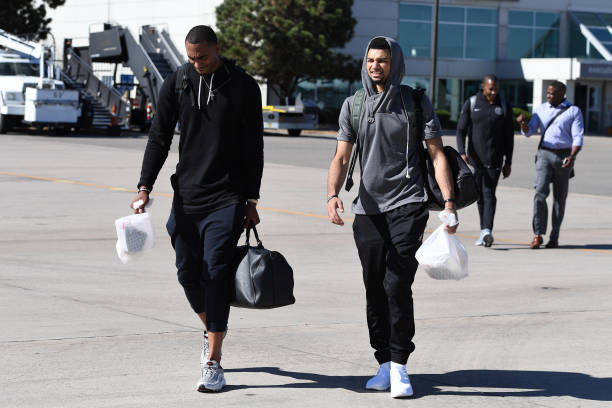
The NBA is one of the most physically demanding leagues in the world, but the challenge extends far beyond what happens on the court. Behind every game lies a hidden battle against exhaustion, disrupted sleep, and constant movement across cities and time zones. At the center of this issue is travel fatigue, a factor that quietly influences player performance, recovery, and long-term health throughout the season.
NBA teams travel thousands of miles every year. Players move between coastlines, adjust to changing schedules, and compete in high-intensity games with little recovery time. While fans focus on tactics, star performances, and highlight plays, sports scientists increasingly recognize that travel fatigue can shape outcomes just as much as talent or coaching.
Understanding Travel Fatigue in the NBA
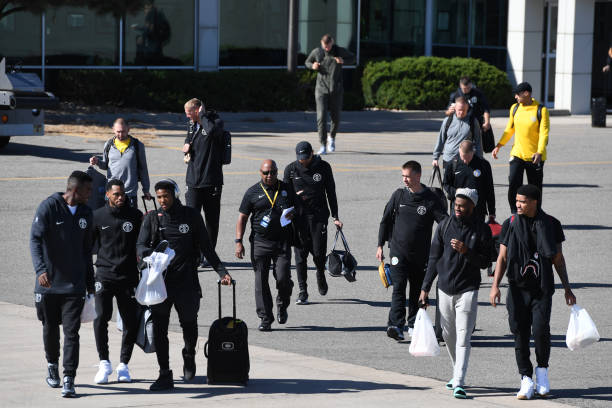
Travel fatigue refers to the physical and mental exhaustion caused by repeated travel, disrupted sleep cycles, and insufficient recovery. In the NBA, where teams often play multiple games within a single week, the effects can accumulate quickly.
Unlike many sports leagues, the NBA schedule involves constant movement across different time zones. Teams regularly face back-to-back games, late-night flights, and compressed schedules that leave little room for recovery.
This creates a unique physiological challenge. The body struggles to maintain stable energy levels, cognitive sharpness, and muscular recovery under these conditions. Over time, travel fatigue begins to affect reaction speed, decision-making, coordination, and endurance.
Even elite athletes are not immune to these effects.
The Role of Circadian Rhythms
One of the biggest scientific factors behind travel fatigue is the disruption of circadian rhythms.
The human body operates on an internal clock that regulates sleep, hormone production, alertness, and recovery. Crossing time zones interferes with this system, making it difficult for players to adapt quickly.
West Coast road trips are particularly demanding for Eastern Conference teams. A player accustomed to competing at 7 p.m. Eastern Time may suddenly need to perform at what feels like 10 p.m. biologically.
This disruption affects more than sleep. Studies in sports science show that circadian misalignment can reduce reaction time, impair focus, and decrease physical performance.
In a league where games are often decided by tiny margins, even slight declines in alertness can have major consequences.
Sleep Deprivation and Player Recovery in NBA
Sleep is one of the most important components of athletic recovery, yet NBA players often struggle to maintain consistent sleep patterns during the season.
Games frequently end late at night, followed by media obligations, treatment sessions, travel, and flights to the next city. Players may arrive at hotels in the early hours of the morning, leaving limited time for proper rest before the next game or practice.
Travel fatigue becomes particularly dangerous when sleep deprivation accumulates over time.
Poor sleep affects muscle recovery, immune function, concentration, and emotional regulation. It also increases the likelihood of injury, as fatigued athletes experience slower reaction times and reduced coordination.
Sports scientists working with NBA teams now place enormous emphasis on sleep optimization. Teams employ sleep specialists, monitor player recovery data, and adjust travel schedules to reduce the impact of fatigue whenever possible.
The Physical Effects of Constant Travel

Travel fatigue is not only mental. The physical strain is equally significant.
Long flights can cause muscle stiffness, dehydration, and reduced circulation. Sitting for extended periods places stress on the lower back, hips, and joints, all areas heavily involved in basketball movement.
Players then have to transition almost immediately into explosive athletic activity involving sprinting, jumping, and rapid directional changes.
This combination creates a difficult recovery environment. Muscles may not fully regenerate before the next game, increasing fatigue levels throughout the season.
The effects are especially noticeable during demanding stretches of the schedule, where teams may play four games in six nights while traveling across multiple cities.
How Travel Fatigue Affects Performance
The impact of travel fatigue can often be seen directly in game performance.
Teams on long road trips frequently experience declines in shooting efficiency, defensive intensity, and transition speed. Players may struggle to maintain energy levels late in games, leading to lapses in concentration and execution.
Research has also shown that west-to-east travel tends to produce stronger negative effects due to the body losing time rather than gaining it.
Fatigue influences decision-making as well. Basketball is a fast-paced sport requiring constant processing of information. Exhausted players may react slower defensively, force poor shots, or make uncharacteristic turnovers.
Even free throw percentages and three-point accuracy can decline when players are physically and mentally fatigued.
Back-to-Back Games and NBA Travel Schedule Density
Few aspects of the NBA schedule contribute more to travel fatigue than back-to-back games.
Teams may finish a game in one city late at night, travel immediately afterward, and then play again less than 24 hours later in another location.
From a sports science perspective, this recovery window is extremely limited.
Muscle repair, hydration restoration, and nervous system recovery all require time. When that process is interrupted repeatedly, cumulative fatigue begins to build.
The NBA has made efforts to reduce the number of back-to-backs in recent years, but they remain an unavoidable part of an 82-game season.
Load management strategies emerged partly as a response to this reality.
Load Management and Fatigue Prevention
Modern NBA teams increasingly use load management to reduce the effects of travel fatigue.
This approach involves monitoring player workloads and strategically resting athletes during certain games. The goal is not simply short-term recovery but long-term health and playoff readiness.
Advanced tracking systems now measure variables such as movement intensity, heart rate variability, sleep quality, and muscular stress.
Teams analyze this data to identify signs of fatigue before performance drops significantly.
Critics sometimes view load management negatively, especially when star players miss nationally televised games. However, from a sports science standpoint, the strategy reflects a growing understanding of how travel fatigue affects performance and injury risk.
The Psychological Impact of Travel Fatigue
Constant travel also affects mental health and emotional well-being.
NBA players spend large portions of the season away from family, living out of hotels, and operating under intense pressure. The repetitive cycle of games, flights, and recovery sessions can become mentally exhausting.
Mental fatigue influences focus, motivation, and emotional control. Players dealing with travel exhaustion may struggle with concentration during games or experience increased stress levels.
Sports psychologists now work alongside NBA organizations to help players manage these demands. Mental recovery is increasingly viewed as equally important as physical recovery.
Why Home Court Advantage Matters
Travel fatigue helps explain one of the oldest trends in basketball: home court advantage.
Teams playing at home benefit from familiar routines, stable sleep schedules, reduced travel stress, and greater recovery opportunities.
Visiting teams, meanwhile, often arrive fatigued from flights, hotel stays, and disrupted routines.
The difference may appear subtle, but over the course of a game, these factors can influence energy levels, focus, and execution.
Home court advantage is not just about crowd noise. It is deeply connected to recovery science and travel fatigue.
Sports Science in Basketball and the Future of Recovery
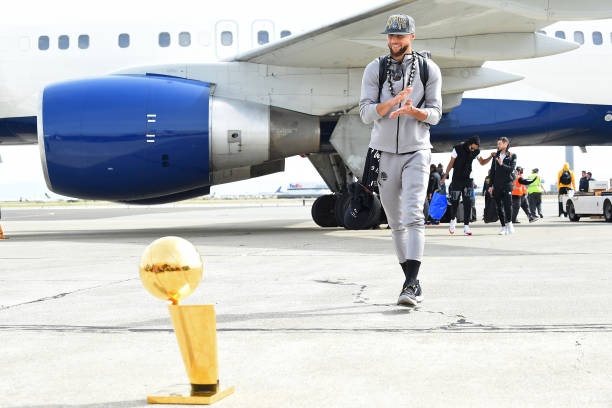
NBA franchises continue investing heavily in technology designed to reduce travel fatigue.
Recovery tools now include cryotherapy, compression therapy, personalized nutrition plans, hydration tracking, and advanced sleep monitoring systems.
Some teams even customize flight environments to improve recovery, adjusting lighting, seating arrangements, and meal timing to support circadian rhythms.
Artificial intelligence and biometric tracking may further transform how teams manage fatigue in the future. Predictive models could soon identify optimal rest schedules based on individual recovery patterns.
As sports science evolves, managing travel fatigue will become even more central to team strategy.
The Competitive Edge of Recovery
In modern basketball, recovery itself has become a competitive advantage.
Teams that manage travel fatigue effectively often maintain stronger performance levels deep into the season. Fresh players recover faster, execute better late in games, and remain healthier over long stretches.
Championship contenders increasingly understand that managing fatigue is not optional. It is essential.
The difference between winning and losing may sometimes come down to which team is physically and mentally fresher on a given night.
Conclusion
Travel fatigue remains one of the most underestimated factors in NBA performance. Beneath the spectacle of elite basketball lies a constant battle against exhaustion, disrupted sleep, and physical strain caused by relentless travel demands.
Sports science has revealed just how deeply fatigue affects athletic performance, from shooting efficiency and reaction time to recovery and injury prevention.
As the NBA continues to evolve, teams are placing greater emphasis on recovery strategies, sleep optimization, and workload management to combat the effects of travel fatigue.
