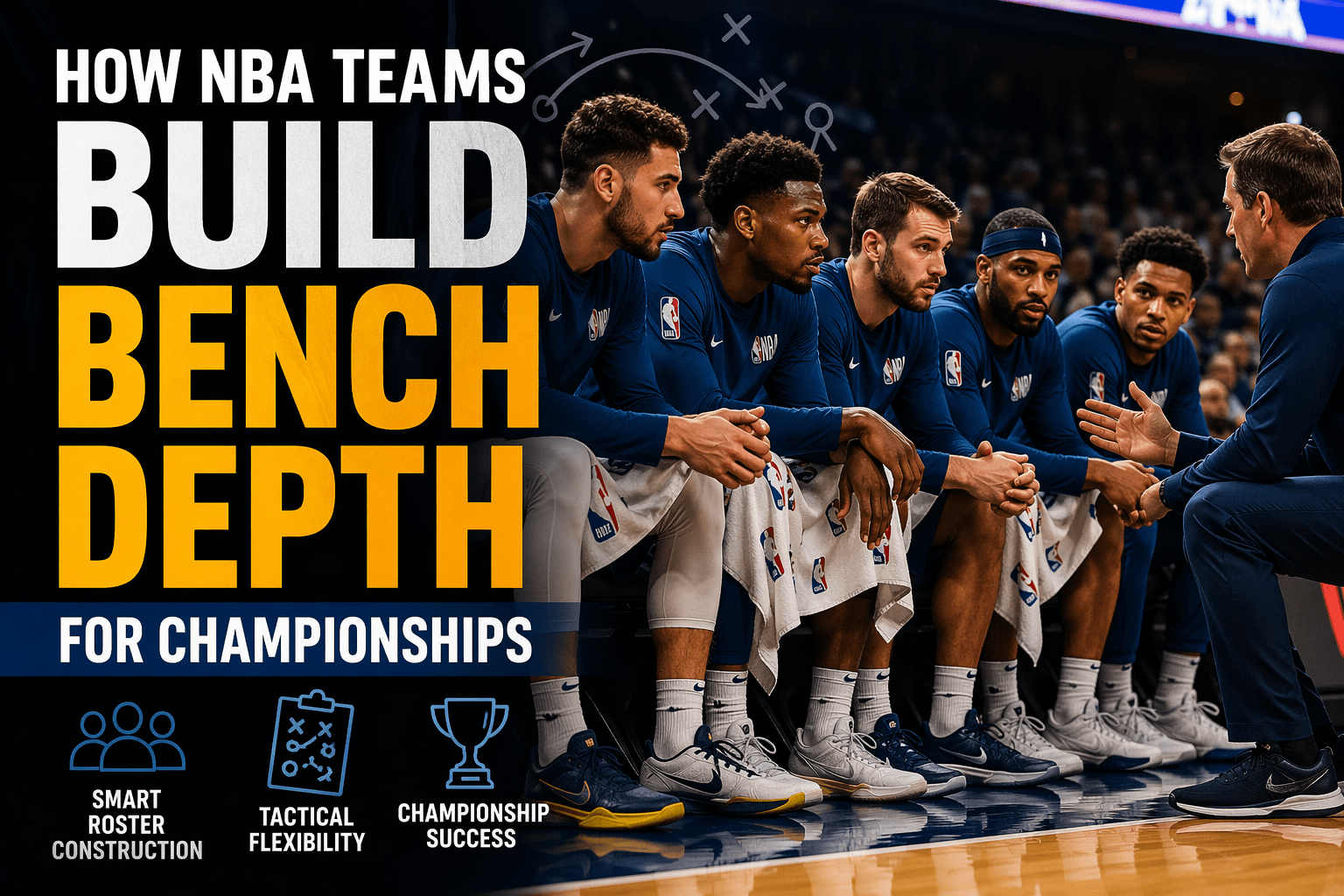
Championship teams are rarely defined by their starting five alone. Over the course of an 82-game season and a grueling playoff run, success often hinges on something less glamorous but far more decisive: bench depth. The best teams in the NBA understand that championships are not just won by stars, but sustained by the players who come in when those stars sit.
The concept of bench depth has evolved into a science of roster construction, blending talent evaluation, salary cap management, and tactical planning. Teams that get it right create a system where the drop-off between starters and reserves is minimal, allowing them to maintain performance regardless of rotations.
Why Bench Depth Defines Championship Teams

In the modern NBA, the margins between winning and losing are razor-thin. Injuries, fatigue, and matchup adjustments can shift a series in an instant. This is where bench depth becomes invaluable.
A strong bench allows teams to preserve their stars’ energy, especially during the regular season. Come playoff time, it provides flexibility. Coaches can adjust lineups without sacrificing quality, respond to opponent strategies, and keep intensity levels high.
Championship teams consistently demonstrate this principle. The Golden State Warriors during their dynasty years relied on a deep rotation that included players capable of stepping into key roles without disrupting the system. Similarly, the Milwaukee Bucks complemented their star core with reliable contributors who could defend, shoot, and execute under pressure.
The Balance Between Stars and Role Players
Building bench depth starts with understanding the role of complementary players. Not every bench player needs to be a scorer. Instead, teams look for specialists who can fill specific gaps.
Some provide perimeter defense. Others offer shooting to stretch the floor. Some act as secondary playmakers, ensuring the offense does not stagnate when the primary ball-handler rests.
The key is balance. A bench unit must be able to function cohesively, not just rely on individual talent. This is why teams prioritize players who understand their roles and can execute within a system.
Draft Strategy and Player Development
One of the most sustainable ways to build bench depth is through the draft. Teams identify players with high upside or specific skills that can translate into defined roles.
Late first-round and second-round picks often become the backbone of strong benches. These players are cost-effective and, with proper development, can outperform expectations.
Player development programs play a crucial role here. Teams invest heavily in coaching, analytics, and training facilities to maximize the potential of young players. Over time, these players evolve into reliable rotation pieces.
The Miami Heat have built a reputation for turning overlooked prospects into key contributors. Their ability to develop talent internally has consistently strengthened their bench depth without relying solely on high-profile acquisitions.
Free Agency and Smart Signings
While the draft provides long-term value, free agency allows teams to address immediate needs. Championship contenders often target experienced players willing to accept reduced roles in pursuit of a title.
These veterans bring more than just skill. They offer leadership, playoff experience, and composure in high-pressure situations. Their presence stabilizes the bench and provides guidance to younger players.
Smart signings focus on fit rather than star power. A player who complements the team’s system is far more valuable than one who disrupts it, regardless of individual reputation.
The Role of Analytics in Building Bench Depth
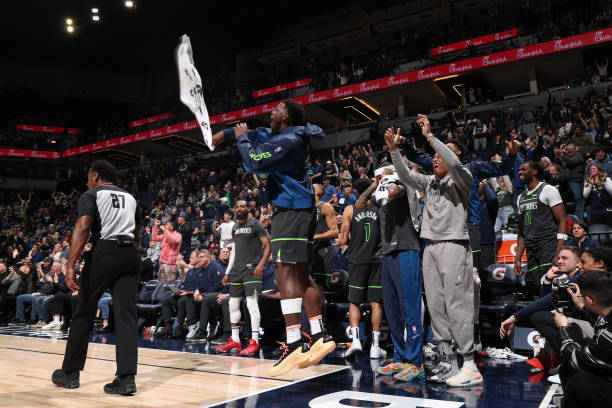
Modern NBA teams rely heavily on data to evaluate players and optimize rotations. Analytics help identify undervalued players who can contribute efficiently in limited minutes.
Metrics such as plus-minus ratings, defensive efficiency, and shot quality provide insights into a player’s impact beyond traditional statistics. Teams use this data to construct benches that maximize productivity.
Analytics also influence substitution patterns. Coaches can determine which combinations of players perform best together, ensuring that bench units maintain or even extend leads.
Managing the Salary Cap
Financial strategy is central to building bench depth. The NBA’s salary cap system forces teams to allocate resources carefully, balancing investments in star players with the need for a strong supporting cast.
Championship teams often rely on a mix of high-salary stars and cost-effective role players. Rookie contracts, mid-level exceptions, and minimum deals become essential tools in assembling a deep roster.
Front offices must constantly evaluate value. Overpaying for a single player can limit flexibility, while smart contracts can create opportunities to strengthen the bench.
Playoff Adjustments and Rotation Tightening
During the regular season, teams may use extended rotations to manage workload and evaluate players. In the playoffs, rotations typically shorten. However, bench depth remains critical.
Even with fewer players seeing minutes, the quality of those minutes becomes more important. A reliable bench ensures that there is no significant drop in performance when starters rest.
Injuries and foul trouble can also force unexpected adjustments. Teams with strong bench depth are better equipped to handle these rotations without losing momentum.
Chemistry and Team Identity
Beyond talent and strategy, chemistry plays a vital role in effective bench depth. Players must trust each other and understand their roles within the team structure.
A cohesive bench unit can change the energy of a game. Hustle plays, defensive stops, and timely scoring runs often come from players who embrace their roles and play with confidence.
Teams that cultivate a strong identity, where every player understands their contribution, tend to maximize the value of their bench.
Case Study: Modern Championship Blueprint
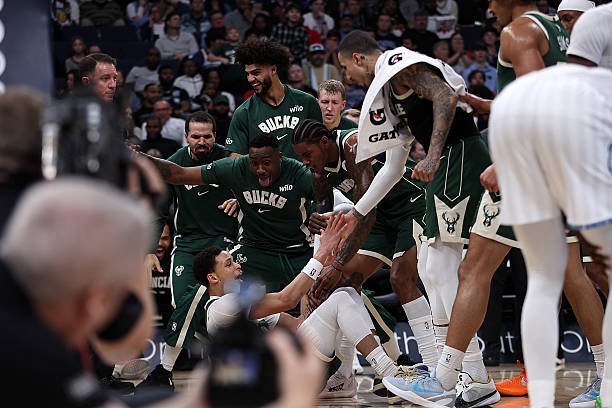
Recent championship teams illustrate how bench depth contributes to success. The Denver Nuggets combined a dominant starting lineup with a bench that provided timely contributions, particularly in maintaining leads and controlling tempo.
Similarly, the Toronto Raptors during their title run showcased the importance of versatility. Their bench players could switch defensively, shoot from distance, and adapt to different matchups.
These examples highlight a consistent theme: depth is not about quantity alone, but about having the right pieces to support the team’s overall strategy.
The Future of Bench Depth in the NBA
As the game continues to evolve, so too will the approach to building bench depth. Positionless basketball, increased pace, and emphasis on three-point shooting demand versatile players who can contribute in multiple ways.
Teams are likely to prioritize flexibility even more, seeking players who can adapt to different roles and lineups. Development systems will continue to improve, allowing franchises to extract greater value from their rosters.
Technology and analytics will further refine decision-making, helping teams identify hidden gems and optimize performance.
Conclusion
In the pursuit of championships, bench depth remains one of the most critical yet often overlooked factors. While star players draw the headlines, it is the collective strength of the roster that sustains success.
Teams that invest in development, make smart financial decisions, and prioritize fit over flash consistently build benches that can withstand the demands of a long season.
Ultimately, championships are not won by five players alone. They are won by entire rosters working in harmony, where every contribution matters and every role is valued.
