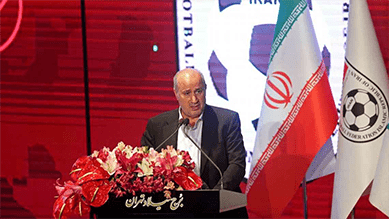
The recent controversy involving the president of Iran’s football federation has quickly grown from a simple travel incident into a complex global story. At the center of it is Mehdi Taj, a long-time football administrator and current head of Iran’s football governing body. His claim that he was allowed into Canada but chose to turn back has sparked debate, confusion, and wider discussion about the intersection of sports, politics, and international law.
This situation is not just about one man at an airport. It reflects deeper tensions between nations, differing legal frameworks, and the challenges of hosting global sporting events in politically sensitive times. To understand why this story matters, it’s important to look beyond the headline and examine the broader context.
Who Is Mehdi Taj and Why It Matters

Mehdi Taj is not an ordinary traveler. He is a senior figure in Iranian football and has held multiple leadership roles over the years, including serving as president of the Iranian Football Federation and holding positions within Asian football governance.
His presence at international events like the FIFA Congress is expected, as these gatherings bring together football leaders from across the world. However, Taj’s background adds complexity. Reports indicate that he has had past ties to the Islamic Revolutionary Guard Corps (IRGC), an organization that some countries, including Canada, designate as a terrorist group.
This single detail transforms what might have been a routine entry process into a politically charged situation.
What Happened at the Airport
According to Taj’s account, he and the Iranian delegation arrived in Canada with valid visas and were stopped at Toronto’s airport. They were questioned for several hours about three hours in total mainly regarding possible links to the IRGC.
After this period of questioning, Taj claims that Canadian authorities eventually told him he was allowed to enter the country. However, instead of proceeding, he and his delegation chose to leave voluntarily and return to Turkey.
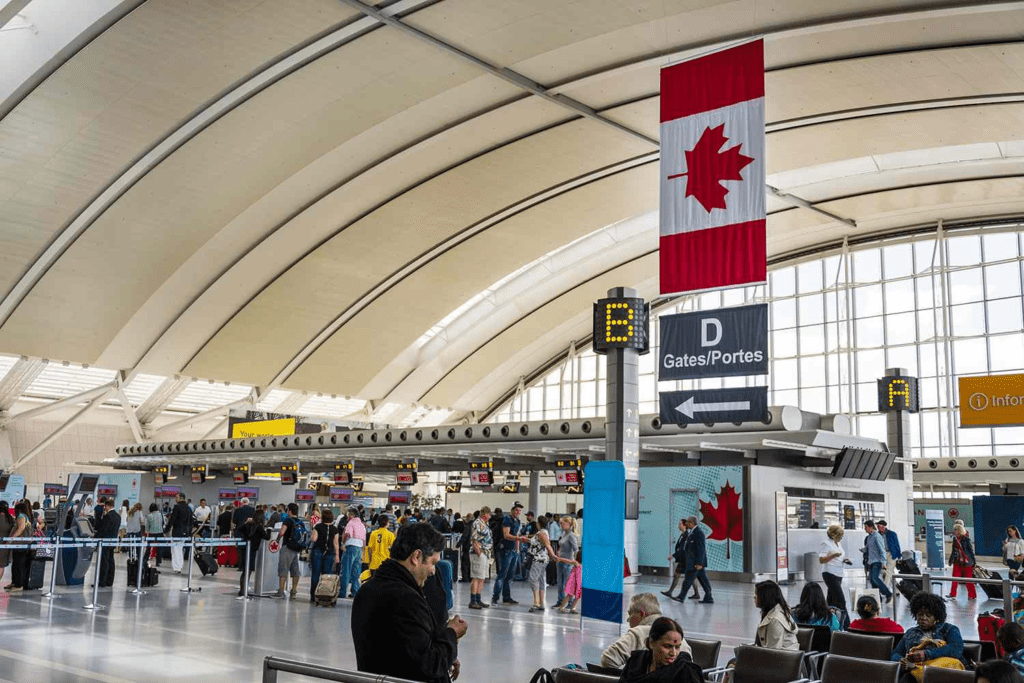
From his perspective, the issue was not about being denied entry, but about the treatment he received. He described the experience as unnecessary and frustrating, suggesting that the delay and scrutiny were unacceptable for someone attending an official international event.
Canada’s Position: Security and Law
Canada’s stance appears more rigid and rooted in national law. The country has officially designated the IRGC as a terrorist organization, meaning individuals associated with it can be deemed inadmissible.
Canadian officials have suggested that Taj may have been denied entry or considered inadmissible due to these connections.
This creates a direct contradiction:
- Iran’s version: He was cleared but chose to leave.
- Canada’s version: He was not admissible under existing laws.
Both perspectives can technically coexist. Immigration processes often involve preliminary checks, secondary screening, and conditional decisions. It’s possible that Taj was temporarily cleared but still faced unresolved concerns or that officials were still determining his status when he chose to leave.
Why This Incident Is Bigger Than It Looks
At first glance, this might seem like a routine immigration dispute. But in reality, it touches on several major global issues:
1. Politics vs. Sport
International football, governed by FIFA, aims to separate sport from politics. However, incidents like this show how difficult that separation is.
When a football official is scrutinized for political or military affiliations, the boundaries between sport and geopolitics blur.
2. Hosting a Global Tournament
The 2026 FIFA World Cup will be hosted jointly by Canada, the United States, and Mexico.
This means thousands of players, officials, and staff from dozens of countries will need visas and entry clearance. If one senior official faces difficulties, it raises questions:
- Will other Iranian officials face similar issues?
- Could players or staff encounter restrictions?
- How will host countries balance security laws with FIFA obligations?
These are not theoretical concerns they are practical challenges that could affect tournament logistics.
3. Diplomatic Tensions
Relations between Canada and Iran have been strained for years, involving sanctions, political disagreements, and security concerns.
This incident reflects that broader tension. It’s not just about football it’s about how countries enforce their policies when dealing with officials from politically sensitive regions.
The FIFA Angle: A Delicate Balance
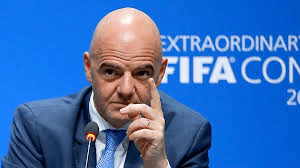
FIFA has already confirmed that Iran will participate in the 2026 World Cup, despite ongoing tensions.
This puts the organization in a difficult position. On one hand, FIFA promotes inclusivity and global participation. On the other hand, it must respect the laws of host nations.
This balancing act raises important questions:
- Should FIFA intervene when officials face entry issues?
- Can global sporting bodies override national immigration laws?
- What happens if political disputes disrupt participation?
So far, FIFA’s approach has been cautious acknowledging the issue but leaving decisions to national authorities.
Also Read- FIFA Chief Confirms Iran Will Compete in 2026 World Cup and Play Matches in the United States
The Role of the IRGC in the Controversy
A key element in this story is the IRGC. Canada’s classification of the group as a terrorist organization means that any association even indirect can trigger strict immigration measures.
From Canada’s perspective, this is a matter of national security and legal consistency. From Iran’s perspective, such scrutiny can be seen as politically motivated or unfair.
This clash of perspectives is central to understanding why the situation escalated.
Public Reaction and Wider Debate
The incident has also sparked reactions beyond government officials.
Protests and advocacy groups have called for stricter measures against Iranian officials, arguing that allowing them into international events could legitimize political structures they oppose.
Others argue that sports should remain neutral and inclusive, and that excluding officials or teams risks politicizing global competitions.
This divide reflects a broader global debate:
- Should sports be a neutral ground?
- Or should they reflect political and ethical considerations?
There is no easy answer, and this incident highlights that tension clearly.
Lessons for the Future
This situation offers several important lessons for international sport and diplomacy:
1. Global Events Require Legal Alignment
Host countries must coordinate policies to ensure smooth entry for participants. Without alignment, similar incidents could occur during the World Cup itself.
2. Transparency Matters
Conflicting narratives like “he was allowed” vs. “he was denied” confusion. Clear communication from both sides is essential.
3. Politics Cannot Be Ignored
Even in sports, political realities shape outcomes. Pretending otherwise often leads to bigger controversies.
What This Means for Iran’s World Cup Participation
Despite the incident, Iran is still expected to compete in the 2026 World Cup.
However, the situation raises concerns about:
- Travel logistics for officials
- Potential visa restrictions in host countries
- Diplomatic tensions affecting the tournament
While players are likely to be allowed entry, officials with political or military ties may face scrutiny.
Final Perspective
The statement that the Iran FA president “was allowed to enter Canada but chose to turn back” is not entirely false but it is incomplete without context.
Yes, Mehdi Taj claims he was eventually cleared. But that clearance came after significant questioning tied to serious legal and political concerns. At the same time, Canadian authorities maintain that individuals linked to the IRGC are generally inadmissible.
In reality, this is not a simple yes-or-no situation. It is a reflection of how modern global sport operates within a world shaped by politics, security, and national laws.
As the 2026 World Cup approaches, this incident may serve as a preview of the challenges ahead where football is no longer just a game, but a stage where international relations, law, and identity all collide.