In the fast-paced world of the National Hockey League, skating is everything. Before a player can shoot, pass, or defend, they must first move efficiently on the ice. That movement is built on two critical foundations: skating speed and balance. Without them, even the most skilled players struggle to compete at the highest level.
Skating speed and balance are not natural gifts alone. They are developed through years of structured training, technical refinement, and physical conditioning. For NHL players, mastering these elements is what separates average skaters from elite performers.
Why Skating Speed and Balance Define NHL Performance
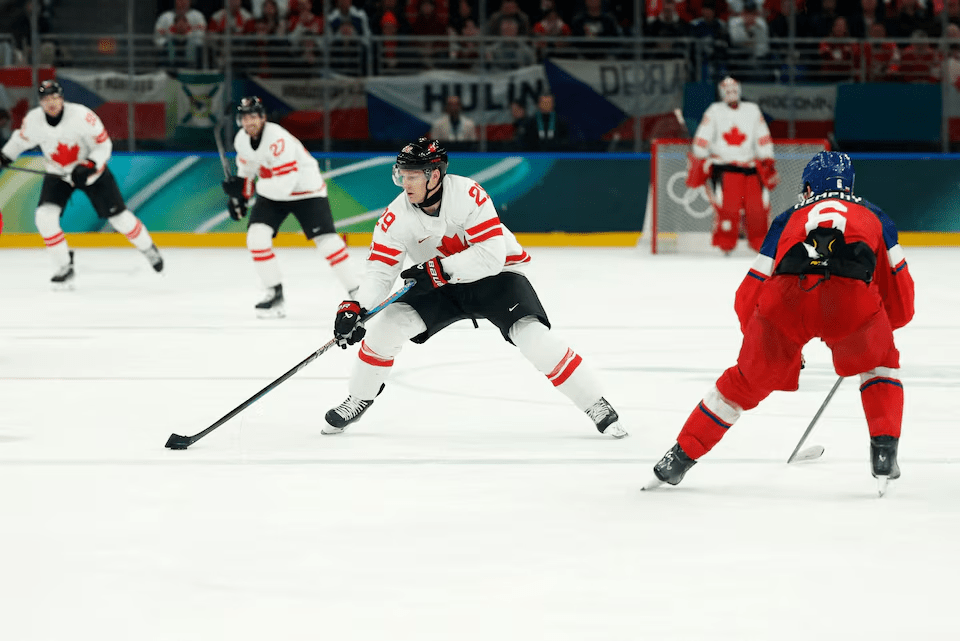
Ice hockey is played on a surface that demands constant control. Unlike running on solid ground, skating requires athletes to glide, cut, and accelerate on a low-friction surface. This makes skating speed and balance essential for both offensive and defensive success.
A player with elite skating speed can close gaps quickly, create breakaway opportunities, and recover defensively in critical moments. At the same time, balance allows players to stay upright through contact, maintain puck control, and execute sharp turns without losing momentum.
Players like Connor McDavid are widely regarded as exceptional not just because of their skill with the puck, but because of their unmatched skating speed and balance. His ability to accelerate while maintaining control demonstrates the perfect blend of these two attributes.
The Mechanics Behind Skating Speed
Skating speed begins with technique. Unlike sprinting, where forward motion is linear, skating involves lateral pushes that generate propulsion. NHL players focus on powerful stride mechanics, ensuring that each push against the ice produces maximum force.
The stride starts with deep knee bends, allowing players to generate power from their lower body. The extension of the leg outward creates the driving force, while the recovery phase prepares the next stride. Efficiency is key. Wasted movement reduces speed, so players train to keep their strides smooth and controlled.
Edge work also plays a crucial role. Skates have inside and outside edges, and mastering their use allows players to accelerate, decelerate, and change direction seamlessly. Without proper edge control, speed becomes difficult to sustain.
Balance: The Foundation of Every Movement
While speed attracts attention, balance is what sustains performance. On the ice, balance is not just about staying upright. It involves maintaining control during rapid transitions, absorbing contact, and stabilizing the body while handling the puck.
Core strength is central to balance. NHL players invest heavily in strengthening their abdominal and lower back muscles, as these areas stabilize the body during movement. Strong core muscles allow players to remain steady even when pushed or checked by opponents.
Balance is also influenced by posture. Players are trained to maintain a low centre of gravity, bending their knees and keeping their weight evenly distributed. This positioning enhances stability and allows for quicker reactions.
Off-Ice Training for Skating Speed and Balance
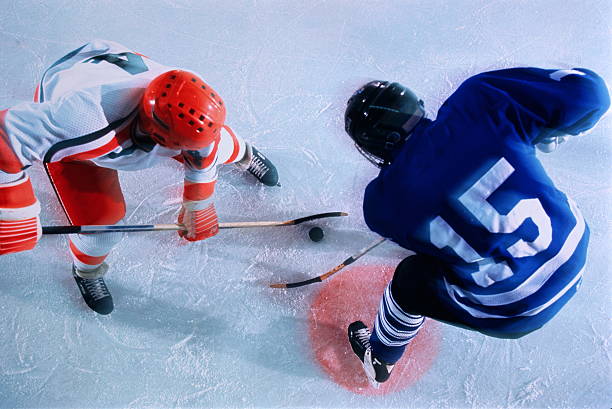
Developing skating speed and balance requires extensive off-ice training. Strength and conditioning programs are designed to replicate the movements and demands of skating.
Lower body strength is a primary focus. Exercises such as squats, lunges, and deadlifts build the power needed for explosive strides. Plyometric training, which includes jumping and bounding exercises, helps improve acceleration and quickness.
Balance training is equally important. Athletes use tools like balance boards and stability balls to challenge their coordination and strengthen stabilising muscles. These exercises mimic the unpredictable nature of movement on ice, preparing players for real-game situations.
Flexibility also plays a role. Stretching routines improve range of motion, allowing for deeper strides and better edge control. Without flexibility, players risk limiting their skating efficiency and increasing the likelihood of injury.
On-Ice Drills That Build Elite Skaters
Training on the ice is where skating speed and balance are refined. Coaches design drills that target specific aspects of movement, ensuring players develop both power and control.
Acceleration drills focus on quick starts, teaching players to reach top speed in as few strides as possible. Edge control drills help players master tight turns and transitions, while balance drills challenge them to maintain stability under pressure.
One common approach involves skating with resistance, such as using weighted sleds or bands. This builds strength and improves stride power. Once the resistance is removed, players often experience a noticeable increase in speed.
Another effective method is practising puck control while skating at high speed. This forces players to maintain balance while handling the puck, replicating real-game conditions.
The Role of Technology in Modern Training
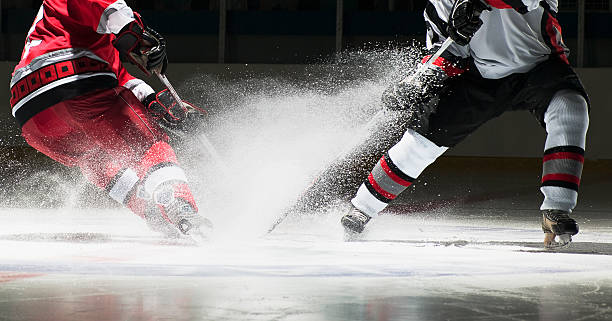
Modern NHL training has embraced technology to enhance performance. Motion tracking systems and video analysis allow coaches to break down a player’s skating mechanics in detail.
By analysing stride length, frequency, and body positioning, trainers can identify inefficiencies and make targeted adjustments. This data-driven approach ensures that players continuously refine their skating speed and balance.
Wearable technology also provides insights into performance metrics such as acceleration and fatigue levels. These tools help optimise training programs and reduce the risk of overtraining.
Mental Focus and Muscle Memory
Skating speed and balance are not purely physical skills. Mental focus plays a significant role in execution. Players must make split-second decisions while maintaining control of their bodies.
Repetition is key to building muscle memory. Through consistent practice, movements become automatic, allowing players to react instinctively during games. This is particularly important in high-pressure situations where hesitation can be costly.
Confidence also influences performance. Players who trust their skating ability are more likely to take risks, such as accelerating past defenders or making aggressive defensive plays.
In-Game Application of Skating Speed and Balance
During games, skating speed and balance come together in dynamic ways. A forward may use acceleration to create space, then rely on balance to maintain control while shooting. A defenseman may need to pivot quickly and stay stable while defending against an attacking player.
Physical contact is another factor. NHL games involve frequent collisions, and players must maintain balance even when checked. Those with superior balance can absorb impact and continue playing, while others may lose possession or fall.
Special teams situations, such as power plays and penalty kills, also highlight the importance of skating. Quick movement and stability are essential for executing strategies effectively.
Why Skating Speed and Balance Continue to Evolve
The NHL is constantly evolving, with players becoming faster and more skilled each year. As the pace of the game increases, the demand for elite skating speed and balance grows.
Younger players entering the league are often better trained in these areas, reflecting advancements in coaching and conditioning. This evolution pushes established players to continually improve in order to remain competitive.
The emphasis on skating has also influenced team strategies. Coaches prioritise speed and mobility, recognising that these attributes can dictate the outcome of games.
Conclusion
Skating speed and balance are the backbone of success in the National Hockey League. They influence every aspect of the game, from offensive creativity to defensive stability.
Through a combination of technical training, physical conditioning, and mental preparation, NHL players develop the ability to move with precision and power on the ice. These skills are not developed overnight but are the result of years of dedication and refinement.
As the game continues to evolve, skating speed and balance will remain at the centre of elite performance, defining the players who rise to the top and shaping the future of hockey.
