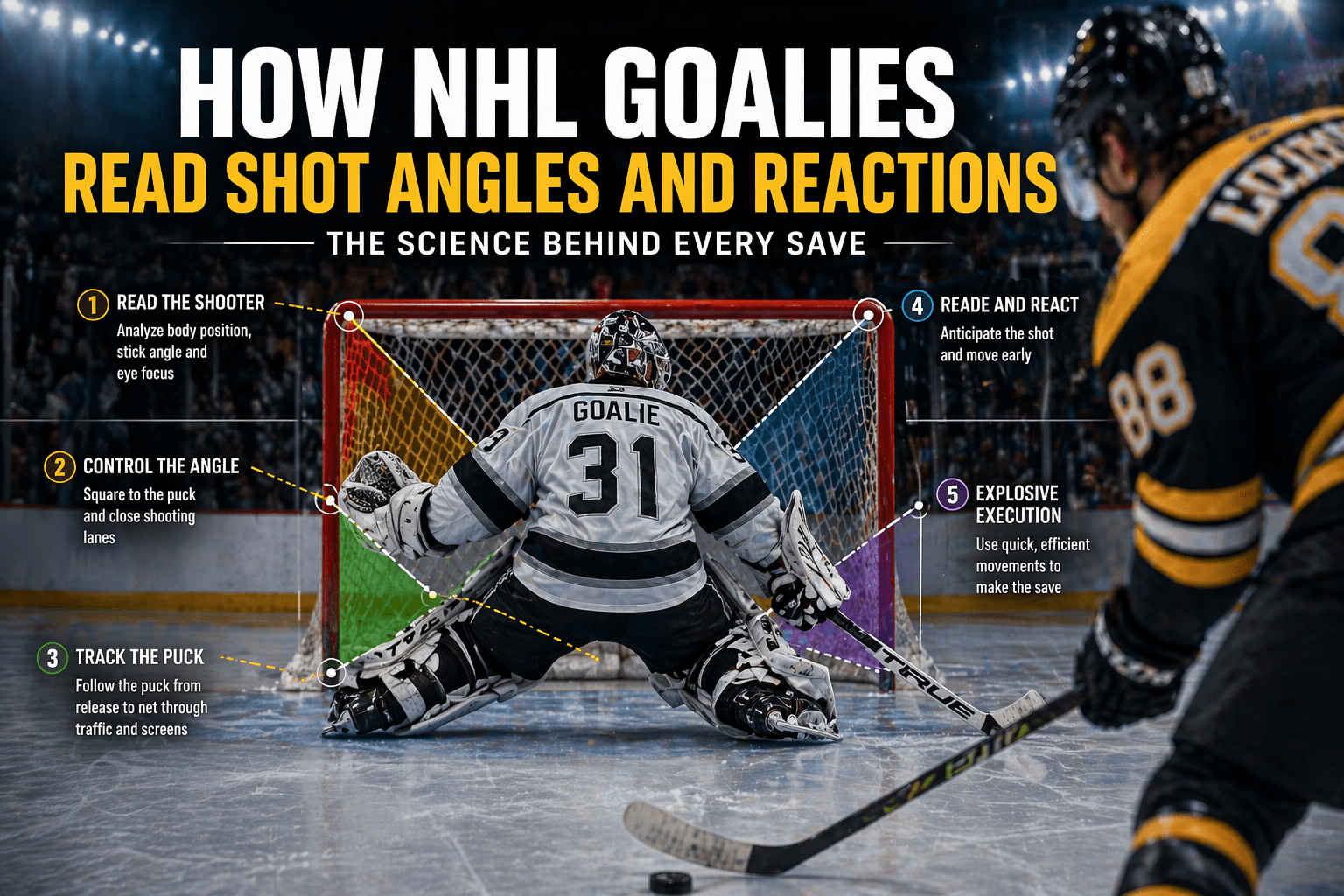
Modern hockey places enormous demands on NHL goalies. The position is no longer defined by raw reflexes alone. Instead, it is a blend of geometry, anticipation, and mental processing, all happening in real time. When discussing NHL goalies, the conversation inevitably shifts toward how they interpret shot angles and react under extreme pressure.
Understanding Shot Angles in NHL Goaltending
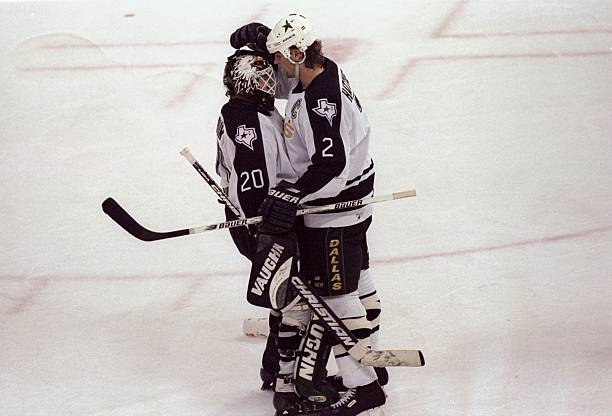
At its core, goaltending is built on angles. Every attacking move creates a geometric problem that the goalie must solve instantly. The position of the puck relative to the net determines how much space the shooter has to aim at, and elite NHL goalies constantly adjust themselves to reduce that space.
When a shooter moves toward the middle of the ice, the available net increases. When they are pushed wide, the angle tightens, making scoring more difficult. A top-level goalie reads this in real time and adjusts their positioning to stay directly in line with the puck. This is what allows them to make saves look simple even when the shot itself is dangerous.
Positioning as the First Line of Defense
Positioning is the foundation of everything NHL goalies do. A well-positioned goalie does not need to rely on desperation or acrobatics. Instead, they control the situation before the shot is even taken.
Goalies like Carey Price became elite largely because of their calm and precise positioning. By staying square to the puck and managing their depth in the crease, they consistently forced shooters into low-percentage attempts. This efficiency reduces energy expenditure and increases consistency over the course of a game.
Reading the Shooter Before the Shot
The best NHL goalies are exceptional readers of body language. Long before the puck leaves the stick, they are already gathering information. Subtle cues such as the angle of the stick blade, the shooter’s posture, or even the direction of their gaze can reveal intent.
This is where anticipation begins. A goalie who can interpret these signals does not wait to react after the shot. Instead, they begin their movement slightly earlier, which creates the illusion of faster reflexes. Players like Andrei Vasilevskiy have mastered this skill, allowing them to stay one step ahead of attackers.
Tracking the Puck Through Chaos
In theory, stopping a shot is straightforward if the goalie has a clear view. In practice, that rarely happens. Traffic in front of the net, deflections, and rebounds all complicate the process. NHL goalies must track the puck from the moment it leaves the stick, even when their vision is partially obstructed.
This ability is developed through intense visual training. Goalies learn to lock onto the puck and maintain focus despite distractions. The earlier they pick up the puck’s trajectory, the more time they have to react, even if that extra time is only a fraction of a second.
Reaction Speed and Anticipation
Reaction time is often misunderstood. While physical quickness matters, anticipation plays an even bigger role. When NHL goalies correctly read the play, they are already in motion before the puck arrives. This reduces the distance they need to travel and increases their chances of making the save.
Goalies such as Henrik Lundqvist built their reputation on this balance. Their movements were efficient, controlled, and rarely wasted. Instead of scrambling, they relied on preparation and timing to stay ahead of the play.
The Importance of the Butterfly Technique
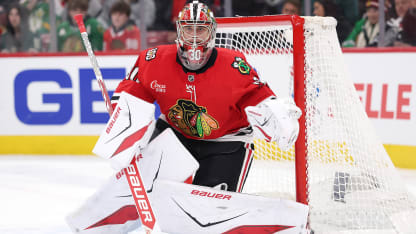
The butterfly technique has become the defining style of modern goaltending. By dropping to the knees and spreading the pads, goalies cover the lower portion of the net, where most shots are directed. However, the effectiveness of this technique depends entirely on timing.
Dropping too early exposes the upper part of the net, while dropping too late leaves gaps below. NHL goalies must judge the exact moment to commit, which again ties back to reading the shooter and understanding the angle. It is a decision that happens almost instantly, yet it determines the outcome of many plays.
Lateral Movement and Recovery
Hockey offenses are designed to create movement. Cross-ice passes and quick puck circulation force goalies to shift laterally while maintaining proper positioning. This is one of the most physically demanding aspects of the role.
The key is not just speed, but control. NHL goalies must move across the crease while staying square to the puck, ensuring that they are always aligned with the shot. After making a save, they must recover immediately, ready for a rebound or secondary attempt. This constant adjustment separates elite performers from average ones.
The Mental Side of Goaltending
Beyond physical technique, the mental aspect of goaltending is immense. NHL goalies process multiple layers of information simultaneously, from puck movement to player positioning and game context. Every decision must be made under pressure, often with little margin for error.
Maintaining composure is critical. A single goal can shift momentum, yet goalies must reset instantly and focus on the next play. This mental resilience is what allows them to perform consistently over long seasons.
Training the Modern NHL Goalie
Training for NHL goalies has evolved significantly. While traditional drills remain important, modern methods incorporate technology and data analysis. Video review helps goalies study shooter tendencies, while reaction-based drills improve both physical and cognitive speed.
The focus is no longer just on stopping the puck. It is on understanding the game at a deeper level and making smarter decisions in real time. This holistic approach has elevated the standard of goaltending across the league.
Why Shot Angle Mastery Defines NHL Goalies
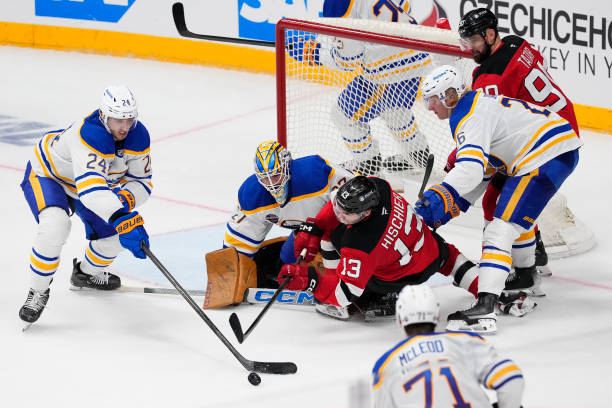
Ultimately, the ability to read shot angles is what defines elite NHL goalies. It influences positioning, anticipation, and reaction. A goalie who understands angles can control the game more effectively, forcing opponents into predictable patterns and reducing scoring chances.
This is why the best goalies often appear calm and composed. Their success is not accidental. It is the result of preparation, awareness, and an advanced understanding of the game’s geometry.
Conclusion
The world of NHL goaltending is far more complex than it appears. Behind every save is a combination of science, instinct, and experience. From reading shot angles to reacting under pressure, NHL goalies operate at a level that demands both physical excellence and mental sharpness.
Understanding how NHL goalies read shot angles and react provides a deeper appreciation of the position. It reveals that goaltending is not just about stopping the puck, but about controlling space, anticipating outcomes, and mastering one of the most demanding roles in sport.
