The FIFA World Cup is widely regarded as the most watched sporting event on the planet. Every four years, billions of viewers tune in to witness the drama, passion, and global unity that football uniquely delivers. Yet, despite its universal appeal, the ability to watch the World Cup is not always guaranteed even in some of the world’s most populous nations. In recent years, concerns have emerged over broadcast uncertainties in countries like India and China, putting millions of fans at risk of missing out on football’s biggest spectacle.
This situation highlights a broader issue within global sports broadcasting: the complex, often fragile ecosystem that determines who gets to watch what—and at what cost.
The Scale of the Problem
India and China together account for more than one-third of the world’s population. Both nations have rapidly growing football audiences, fueled by increased internet penetration, expanding sports infrastructure, and a youthful demographic eager for global entertainment.
In India, football has experienced a steady rise in popularity, especially with the emergence of domestic competitions like the Indian Super League and improved international exposure. Meanwhile, China has invested heavily in football development and global partnerships, aiming to become a major force in the sport.
Despite this growth, broadcasting issues ranging from licensing disputes to regulatory challenges have occasionally threatened access to major tournaments like the World Cup. When viewing rights remain unresolved or are delayed, millions of fans face uncertainty about whether they will be able to watch matches legally and conveniently.
Broadcasting Rights: The Heart of the Issue
At the center of the problem lies the complex world of media rights. Organizations like FIFA sell broadcasting rights to networks and streaming platforms across different regions. These deals are often worth billions of dollars and involve intricate negotiations over exclusivity, pricing, and distribution.
In large markets like India and China, several factors can complicate these agreements:
Also Read- Chelsea 1:3 Nottingham Forest: Chelsea Collapse Continues as Nottingham Forest Boost Survival Hopes
1. Commercial Negotiations
Broadcasters must balance the high cost of acquiring rights with the potential revenue from advertisements and subscriptions. If the price demanded by rights holders is too high, networks may hesitate to commit, leading to delays or breakdowns in negotiations.
2. Regulatory Constraints
Governments in both countries impose regulations on foreign content, licensing, and digital streaming. In China, strict media controls can limit how and where international events are broadcast. In India, regulatory frameworks and market competition can create additional hurdles.
3. Fragmented Media Landscape
The rise of digital platforms has changed how audiences consume sports. Traditional TV networks now compete with streaming services, telecom companies, and tech giants. This fragmentation can slow down negotiations and create confusion over who ultimately holds the rights.
The Role of Digital Streaming
The evolution of digital media has both helped and complicated World Cup broadcasting. Platforms such as Tencent in China and Disney Star in India have played significant roles in delivering sports content online.
Streaming offers several advantages:
- Accessibility across devices (smartphones, tablets, smart TVs)
- Flexible viewing options (on-demand, highlights, multi-angle coverage)
- Wider reach among younger audiences
However, digital broadcasting also introduces challenges:
- Internet infrastructure disparities between urban and rural areas
- Subscription costs that may exclude lower-income viewers
- Licensing restrictions that limit cross-border access
When deals with streaming platforms are delayed or unclear, fans may turn to unofficial or illegal streams, raising concerns about piracy and lost revenue.
Economic Implications
The inability to secure clear broadcasting rights doesn’t just affect fans it has significant economic consequences. Advertisers, sponsors, and media companies all depend on the massive viewership that the World Cup generates.
In markets like India and China:

- Advertisers risk losing access to large audiences
- Broadcasters miss out on peak revenue opportunities
- Governments lose potential tax income from media transactions
Moreover, brands that rely on World Cup visibility for global campaigns may struggle to reach consumers in these key markets, weakening the overall commercial impact of the tournament.
Cultural and Social Impact
Football is more than just a sport it is a cultural phenomenon that brings people together. In countries where the national team may not always qualify for the World Cup, fans often adopt international teams, creating vibrant communities and shared experiences.
In India and China:
- Public screenings in cities and towns foster social interaction
- Online discussions and social media engagement spike during matches
- Youth participation in football increases due to global inspiration
When access to live matches is disrupted, these cultural benefits are diminished. Fans feel disconnected from the global football community, and the sport’s growth in these regions may be slowed.
Piracy: An Unintended Consequence
One of the most immediate effects of uncertain broadcasting is the rise of piracy. When legal options are unavailable or unaffordable, viewers often turn to unauthorized streams.
This creates several problems:
- Loss of revenue for rights holders and broadcasters
- Poor viewing quality and unreliable access for fans
- Increased cybersecurity risks from malicious websites
Efforts to combat piracy have intensified in recent years, but the root cause often lies in the lack of accessible and affordable legal alternatives.
Lessons from Previous Tournaments
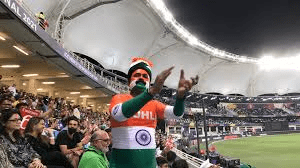
Past editions of the World Cup have shown that last-minute deals are not uncommon. In some cases, broadcasting agreements have been finalized just weeks or even days before the tournament begins.
For example:
- Emergency negotiations have secured free-to-air broadcasts in key markets
- Partnerships between telecom companies and streaming platforms have expanded access
- Governments have intervened to ensure public availability of major sporting events
These precedents suggest that while uncertainty may persist, solutions are often found before kickoff.
The Future of World Cup Broadcasting
Looking ahead, the future of World Cup viewing in countries like India and China will likely depend on several key trends:
1. Hybrid Broadcasting Models
Combining traditional TV with digital streaming could provide broader access and flexibility for viewers.
2. Increased Competition
More players entering the media rights market may drive innovation and improve accessibility.
3. Fan-Centric Approaches
Rights holders may prioritize affordability and convenience to maximize global viewership.
4. Technological Advancements
Improvements in internet infrastructure, 5G networks, and smart devices will enhance streaming quality and reach.
A Global Responsibility
As football continues to grow as a global sport, ensuring equitable access to major tournaments becomes increasingly important. Organizations like FIFA, broadcasters, and governments all share responsibility for making the World Cup accessible to fans worldwide.
For billions of people, the World Cup is not just entertainment it is a moment of unity, pride, and shared emotion. Denying access, even unintentionally, undermines the very spirit of the tournament.
Conclusion
The uncertainty surrounding World Cup viewing in India and China underscores the complexities of modern sports broadcasting. While commercial interests, regulatory frameworks, and technological shifts all play a role, the ultimate goal should remain clear: bringing the game to the fans.
As negotiations continue and the media landscape evolves, there is reason for cautious optimism. History suggests that solutions will emerge, and the roar of the crowd whether in stadiums or living rooms will once again echo across these nations.
Until then, millions of fans remain in anticipation, hoping that when the next World Cup begins, they will not be left watching from the sidelines.