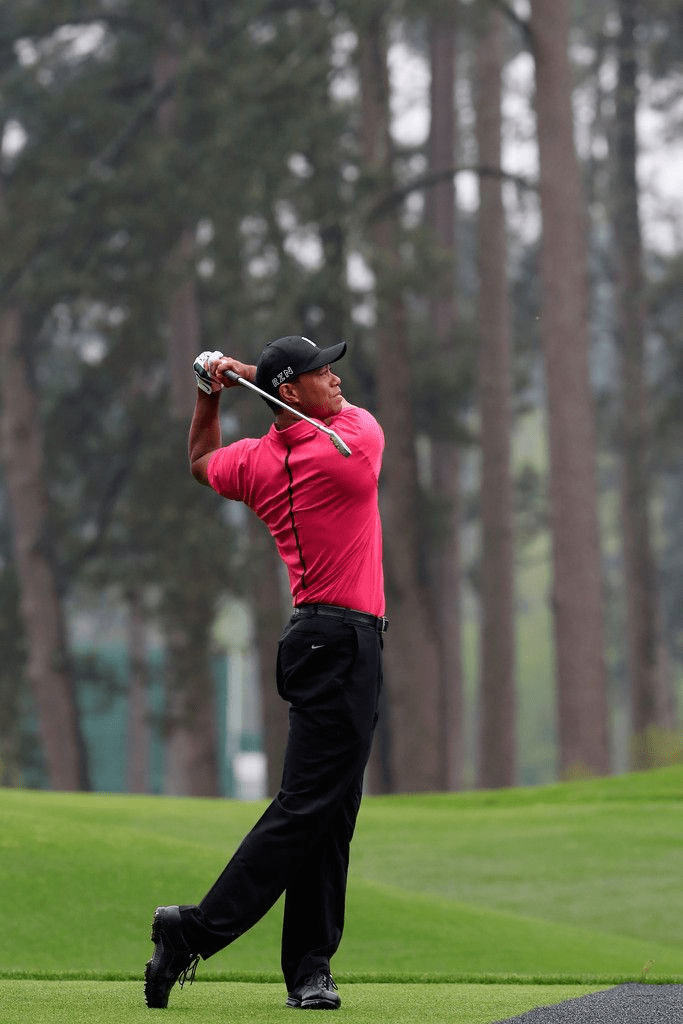
The golfing world was sent into a wave of speculation and reflection after U.S. President Donald Trump stated that Tiger Woods “won’t be playing” in the 2026 Masters Tournament. The comment, made during a media appearance, has added a dramatic layer to ongoing uncertainty surrounding Woods’ return to competitive golf.
While Woods has not officially confirmed his withdrawal, Trump’s statement aligns with growing concerns about the legendary golfer’s physical condition. As one of the most iconic figures in sports history, any news about Woods especially regarding the Masters carries enormous weight. This situation is not just about one tournament; it reflects the broader story of a career that has defined an era and now faces the inevitable realities of time and injury.
The Significance of the Masters and Tiger Woods
The The Masters Tournament is one of golf’s most prestigious events, held annually at Augusta National. It is a tournament steeped in tradition, exclusivity, and history. For Tiger Woods, the Masters is more than just another competition it is the stage where he cemented his legacy.
Woods has won the Masters five times, including his historic 1997 victory and his unforgettable 2019 comeback win. That 2019 triumph is widely regarded as one of the greatest comebacks in sports history, marking his return to the top after years of injuries and personal struggles.
Because of this deep connection, every Masters tournament brings renewed hope among fans that Woods might once again compete and perhaps even contend. His absence, therefore, is always felt more deeply than that of any other player.
Trump’s Statement and Its Impact
According to recent reports, Trump revealed that Woods would still attend the Masters but would not participate as a player. This distinction is important. It suggests that while Woods remains connected to the event likely through ceremonial roles such as the Champions Dinner his body may not be ready for the physical demands of competitive play.
Trump’s statement carries particular attention because of his known relationship with Woods. The two have played golf together and share a long-standing personal connection. This has led many to believe that Trump’s comments may be based on insider knowledge rather than speculation.
Still, it is worth noting that Woods himself has not issued a definitive statement ruling himself out. This leaves a small window of uncertainty, though most signs point toward him not competing. Tiger
The Reality of Injuries and Recovery
The primary reason behind Woods’ likely absence is his ongoing battle with injuries. Over the past few years, he has undergone multiple procedures, including Achilles tendon surgery and spinal operations.
These injuries have significantly limited his ability to compete consistently. At 50 years old, recovery has become increasingly difficult, and Woods himself has acknowledged that some days are better than others.
Golf, particularly at the level required for the Masters, is physically demanding. Players must walk long distances over four days, often across uneven terrain, while maintaining precision and focus. For someone dealing with chronic injuries, this becomes an enormous challenge.
Despite making a recent appearance in the TGL indoor league finals, Woods has not competed in a full traditional tournament since 2024. This gap further underscores the difficulty of returning to peak performance.
A Career Defined by Greatness
To fully understand the significance of this moment, it is important to appreciate the scale of Tiger Woods’ achievements. He is widely considered one of the greatest golfers of all time, with 15 major championships and 82 PGA Tour wins tied for the most in history.
Woods dominated golf in a way few athletes have dominated their sports. He revolutionized the game with his athleticism, mental strength, and competitive intensity. His influence extended beyond golf, helping to globalize the sport and attract new audiences.
His career has also been marked by resilience. From early dominance to personal setbacks, and then to his remarkable comeback in 2019, Woods has consistently defied expectations. That is why fans continue to hope for another return, even in the face of mounting challenges. Tiger
The Emotional Weight of Absence
If Woods does indeed miss the 2026 Masters, it will carry significant emotional weight for fans and the sport itself. The Masters without Tiger Woods feels incomplete, much like Wimbledon without Roger Federer or the NBA Finals without Michael Jordan in their prime. Tiger
His presence alone elevates the tournament. Crowds gather to watch him, television ratings rise, and the atmosphere changes. Even when he is not contending for the title, his participation adds a layer of excitement and anticipation.
This is because Woods represents more than just a competitor he is a symbol of excellence, resilience, and history.
Transitioning from Competitor to Icon
One of the most important themes emerging from this situation is the transition of Tiger Woods from active competitor to enduring icon. While he may no longer be able to compete regularly, his influence on the sport remains immense.
At events like the Masters, past champions often take on ceremonial roles, contributing to the tradition and prestige of the tournament. Tiger ’ presence in such a capacity would still be meaningful, even if he is not playing.
This transition is a natural part of every great athlete’s journey. What makes it unique in Woods’ case is the magnitude of his impact and the emotional connection he has with fans around the world.
The Future of Tiger Woods
Despite the challenges, Woods has not completely closed the door on competitive golf. He has expressed a desire to continue playing in select events, particularly those that hold personal significance.
However, the reality is that his schedule is likely to remain limited. Instead of full seasons, fans may see him compete occasionally, choosing tournaments that suit his physical condition.
The Masters, given its importance in his career, will always be a focal point. But whether he will ever compete there again remains uncertain.
A Broader Reflection on Aging in Sport
Woods’ situation also highlights a broader theme in sports: the challenge of aging. Even the greatest athletes eventually face physical limitations that cannot be overcome through skill or determination alone.
What distinguishes legends like Woods is how they handle this transition. His willingness to continue striving, despite setbacks, reflects the same competitive spirit that defined his career.
It also serves as a reminder that greatness is not just about peak performance, but about resilience and the ability to adapt.
Donald Trump’s statement that Tiger Woods “won’t be playing” in the 2026 Masters has added clarity to a situation that many fans feared but hoped would not materialize. While not yet officially confirmed by Woods himself, the evidence strongly suggests that his return to Augusta as a competitor will have to wait or may not happen again.
Regardless of whether he plays, Woods’ legacy at the Masters is already secure. From his record-breaking victories to his unforgettable comeback, he has left an indelible mark on the tournament and the sport of golf as a whole.
If this marks another step toward the end of his competitive career, it should not be viewed as a loss, but as a celebration of one of the greatest athletes in history. Tiger Woods has given golf moments that will be remembered forever and whether on the course or off it, his presence will continue to shape the game for years to come.