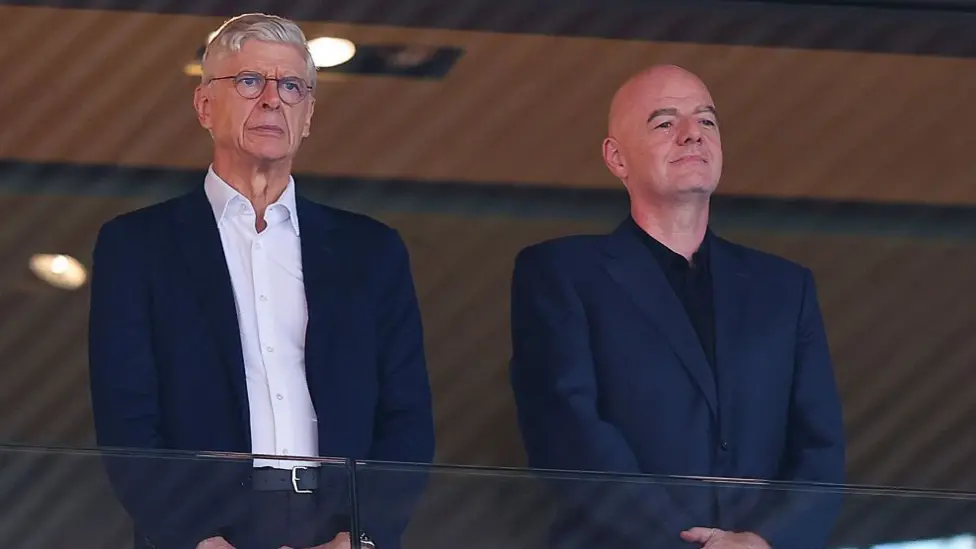
The 2027 FIFA presidential election could become a major contest for the leadership of world football, with former Arsenal manager Arsene Wenger seriously considering a challenge against incumbent Gianni Infantino. The Frenchman, who currently serves as FIFA’s chief of global football development, is attracting growing support from influential figures in European football following the controversy surrounding Infantino’s abandoned plan to sell commercial stakes in the World Cup to private investors.
Although Wenger has not made a final decision, his potential candidacy could significantly change the dynamics of the election. UEFA, which has led opposition to Infantino over the controversial proposal, is expected to support the former Arsenal manager if he decides to enter the race.
However, despite the growing uncertainty surrounding Infantino’s leadership, the FIFA president remains the favorite to secure another term, with considerable backing across Africa, Asia and South America.
2027 FIFA presidential election: Wenger emerges as potential challenger

For several weeks, senior figures within European football have been hoping Wenger would consider challenging Infantino. Those discussions now appear to have gained momentum, with the 77-year-old reportedly giving the possibility serious consideration.
Wenger’s experience and international reputation make him an attractive alternative for those seeking a change in FIFA’s leadership. Having managed Arsenal for more than two decades, he developed a reputation as one of football’s most influential coaches before joining FIFA in 2019 as chief of global football development.
His potential candidacy, however, comes with questions about his age and the length of time he could realistically remain in office. At 77, concerns have emerged about his ability to provide long-term leadership throughout a full four-year presidential term.
Some of his supporters have nevertheless indicated that they would be comfortable with Wenger winning the election before stepping down without completing the entire term.
Sources close to the Frenchman maintain that he has not yet decided to stand. They also believe Infantino remains favourite to secure a fourth and final term when the election takes place in March 2027.
2027 FIFA presidential election candidates face November deadline
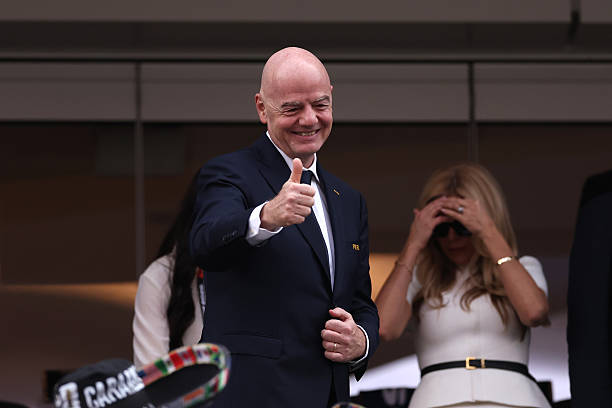
The growing uncertainty has increased attention on the other individuals considering a challenge to Infantino. The deadline for candidates to confirm their intention to stand is 18 November, leaving limited time for potential challengers to formalise their plans.
Former Tottenham Hotspur defender Ramon Vega became the first individual to announce his candidacy in October. Kozo Tashima, honorary president of the Japan Football Association, has also indicated his intention to contest the election.
However, Wenger would represent a considerably different challenge because of his reputation, connections and standing within international football.
His potential candidacy is particularly significant because he is expected to receive UEFA’s backing. The European governing body has spearheaded opposition to Infantino following the controversy surrounding the FIFA Forward Enterprise proposal.
A Wenger candidacy could therefore provide European football with an established figure capable of challenging the incumbent’s influence across the global game.
Nevertheless, Infantino retains considerable support among FIFA’s member associations, particularly in Africa, Asia and South America. He recently insisted that he enjoyed the backing of the “vast, vast majority” of world football, suggesting that opposition from Europe alone may not be enough to prevent his re-election.
FIFA Forward Enterprise controversy creates uncertainty around Infantino
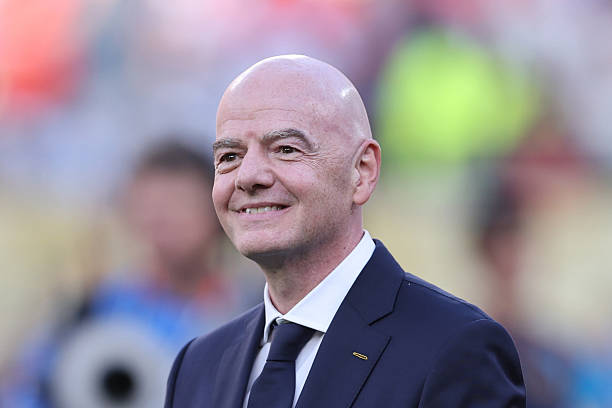
The controversy surrounding FIFA Forward Enterprise (FFE) has been central to the growing questions about Infantino’s leadership.
The proposal involved creating a company to manage commercial and ticketing rights connected to the World Cup, with plans to sell a stake to private investors. The idea attracted considerable opposition from sections of international football, particularly over concerns about transparency, decision-making and the potential commercialization of the governing body’s assets.
Infantino eventually apologized for the abandoned proposal during a FIFA Council meeting, but his explanation did little to satisfy critics. He asked members to submit their questions in writing but did not provide a detailed account of how the proposal had been developed.
UEFA subsequently gave FIFA until 2 November to release details of the plan and respond to questions surrounding the decision-making process.
FIFA later announced that key documents would be made available to council members. However, representatives would have to travel to the organisation’s headquarters in Zurich to examine them, with access subject to strict protocols.
The handling of the controversy has intensified calls for greater transparency within FIFA and provided an opportunity for potential challengers to question the organisation’s leadership.
Wenger, who has traditionally been regarded as loyal to Infantino, distanced himself from the proposal when the controversy emerged.
“I was not involved in this strategic plan and first became aware of the project through media reports,” he explained.
He also described the decision to withdraw the proposal as necessary, insisting that he believed in an independent FIFA committed to transparency and integrity.
Wenger’s global influence could strengthen his candidacy

Beyond his experience in European football, Wenger has developed an international profile that could prove important in a presidential campaign.
His reputation in Africa is particularly significant. During his time at Arsenal, he became widely recognized for his willingness to recruit and develop African players, giving him a strong connection with football supporters across the continent.
His support for expanding the World Cup to 48 teams has also been welcomed in countries outside football’s traditional centers of power. Wenger has argued that a larger tournament could provide more opportunities for developing nations and support the growth of the game globally.
Infantino recently strengthened his position in Africa after receiving the backing of all 54 member national associations following a promise of increased funding.
Wenger would therefore face a less considerable challenge in persuading African federations to reconsider their support for the incumbent.
His time at FIFA has not been without controversy either. Proposals involving biennial World Cups and a so-called daylight offside rule attracted considerable debate, demonstrating that his ideas about football’s development have not always received universal approval.
The coming days will be important as the 18 November deadline approaches. Wenger must decide if he is prepared to enter a contest against an incumbent who still commands significant international support.
For now, Infantino remains favorite, but the possibility of Wenger entering the race has introduced an important new dimension to the election. If the former Arsenal manager decides to stand in the 2027 FIFA Presidential elections, the contest could become considerably more competitive.
