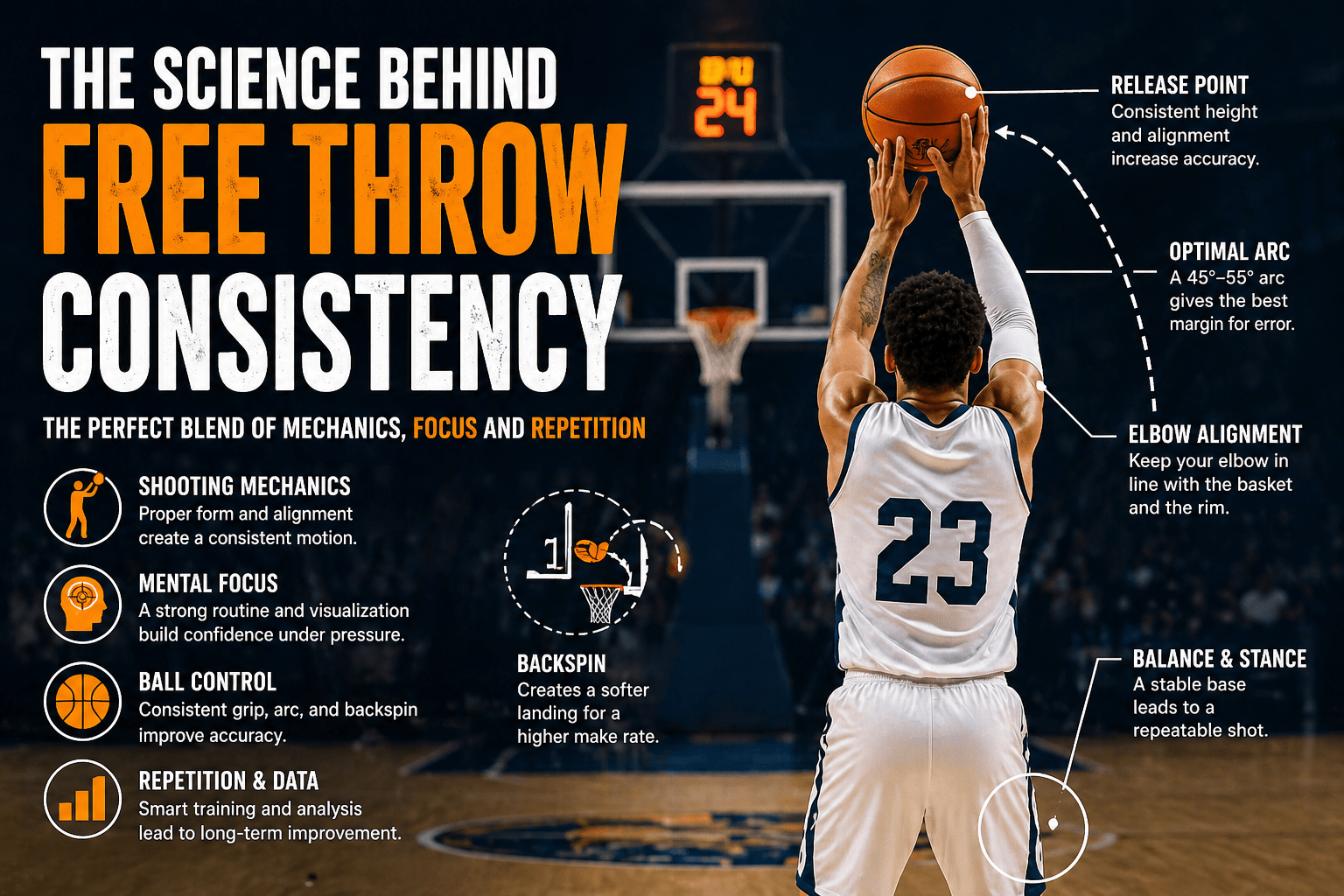
Free throws look simple. No defenders, no pressure from contact, just a player, the ball, and the rim. Yet even at the highest level of the NBA, consistency at the line separates good players from elite ones. The keyword here is free throw consistency, and behind it lies a fascinating mix of biomechanics, psychology, and repetition.
Players like Stephen Curry and Ray Allen did not become elite shooters by chance. Their success is built on scientific principles that can be studied, trained, and refined.
Basketball Shooting Mechanics: The Mechanics of a Perfect Free Throw
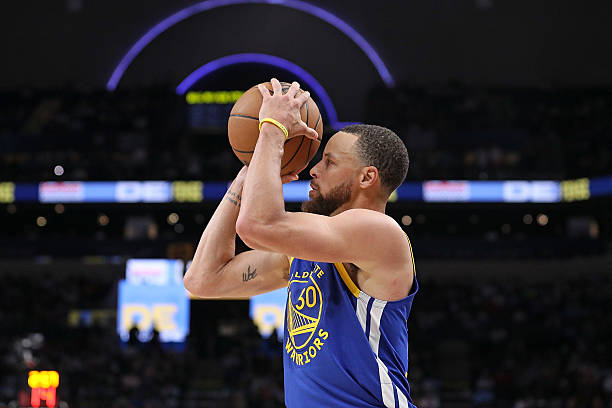
At its core, a consistent free throw is a repeatable motion. The fewer variables involved, the higher the chance of success.
Balance and Body Alignment in NBA Free Throw Shooting
The foundation begins with balance. A player’s feet must be shoulder-width apart, with weight evenly distributed. The shooting shoulder, elbow, and wrist should align directly with the basket. This alignment reduces lateral error and ensures that the shot travels on a straight path.
Biomechanically, stability reduces unnecessary movement. When the lower body is stable, the upper body can execute a smoother shooting motion. Any imbalance forces compensation, which introduces inconsistency.
The Shooting Motion
A proper free throw follows a kinetic chain. Energy starts from the legs, transfers through the core, and finishes at the fingertips. This sequence ensures that the shot is fluid rather than forced.
The elbow plays a crucial role. It must stay tucked in, forming a straight line with the ball. If the elbow flares out, the ball often drifts off target. The wrist snap, or follow-through, determines spin. A clean backspin stabilizes the ball in flight and increases the chances of a soft bounce off the rim.
Players like Dirk Nowitzki mastered this motion, turning free throws into a near-automatic scoring opportunity.
The Role of Arc and Release Angle
One of the most studied aspects of the free throw is the arc. A higher arc increases the margin of error. The ideal release angle is typically between 45 and 55 degrees.
A flatter shot reduces the size of the effective target. A higher arc allows the ball to approach the rim more vertically, making it easier to drop in even if the shot is slightly off.
Physics plays a key role here. Gravity, velocity, and angle combine to determine the ball’s trajectory. Elite shooters instinctively adjust these variables through repetition, creating a consistent release point.
Muscle Memory and Repetition
Consistency is built through repetition. When a player practices free throws repeatedly, the brain and muscles develop a pattern known as procedural memory.
This is why players follow strict routines. Dribbling the ball a set number of times, taking a breath, and focusing on the rim all help reinforce the same motion. Over time, the body learns to execute the shot without conscious thought.
Kobe Bryant was known for his relentless practice habits. His free throw consistency was not just talent but the result of thousands of repetitions that refined his shooting mechanics.
The Psychological Component of Free Throws
Physical mechanics alone are not enough. Free throw shooting is heavily influenced by mental factors.
Focus and Routine
A consistent routine helps players block out distractions. In high-pressure situations, such as playoff games or final seconds, the crowd noise and stakes can affect performance.
Players who stick to a routine create a mental anchor. This reduces anxiety and keeps their focus on execution rather than outcome.
Pressure and Performance
Pressure can disrupt even the best shooters. Heart rate increases, muscles tighten, and focus can waver. This is why some players struggle at the line despite strong mechanics.
Mental training, including visualization and breathing techniques, helps counteract these effects. By simulating pressure situations in practice, players can prepare their minds for real-game scenarios.
The Importance of Consistent Release Point
A key factor in free throw consistency is the release point. The ball should leave the shooter’s hand at the same position every time.
Variations in release height or timing can alter the trajectory. Consistent shooters maintain a high and stable release point, making it difficult for errors to creep in.
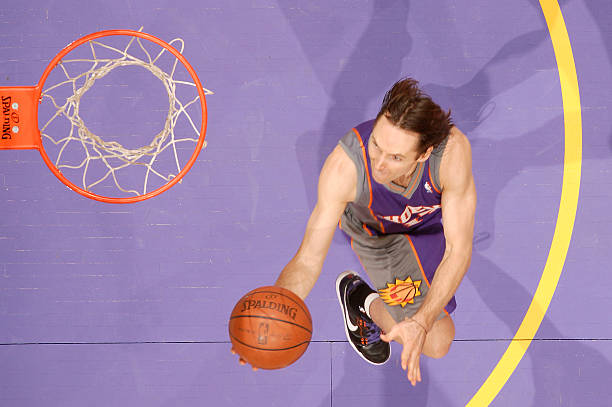
This is one reason taller players often have an advantage. Their higher release point creates a steeper angle, increasing the likelihood of success. However, technique remains more important than height, as demonstrated by guards like Steve Nash.
Spin and Ball Control
Backspin is another critical element. When the ball rotates backward, it creates a softer interaction with the rim. Instead of bouncing away, the ball is more likely to drop in.
The fingertips control this spin. A smooth follow-through, with the fingers pointing toward the basket, ensures proper rotation. Inconsistent spin often leads to unpredictable bounces.
Fatigue and Its Impact on Free Throw Accuracy
Fatigue is an underrated factor in free throw shooting. As players tire, their mechanics can break down. Legs lose power, and shots become flatter.
This is why conditioning matters. Players must train their bodies to maintain proper form even when exhausted. Late-game free throws often decide outcomes, making endurance a critical component of consistency.
How to Improve Free Throw Shooting
Data and Analytics in Free Throw Improvement
Modern basketball relies heavily on data. Teams analyze shooting patterns, release angles, and success rates to improve performance.
High-speed cameras and motion tracking systems allow coaches to identify flaws in a player’s technique. Adjustments can then be made to optimize efficiency.
For example, analytics may reveal that a player shoots better with a slightly higher arc or a quicker release. These insights turn free throw shooting into a measurable and improvable skill.
Why Some Players Struggle at the Line
Despite the science, not every player becomes a great free throw shooter. Factors such as poor mechanics, lack of repetition, and mental barriers can all contribute.
Big men, in particular, have historically struggled. This is often due to differences in hand size, shooting mechanics, and early training habits. However, players like Kevin Durant have shown that size does not have to be a limitation.
Building Elite Free Throw Consistency
Achieving elite free throw consistency requires a combination of factors. Mechanics must be sound, repetition must be consistent, and the mental approach must be strong.
Players who excel at the line treat free throws as a science. They refine every detail, from foot placement to follow-through. Over time, these small adjustments lead to significant improvements.
Conclusion
Free throw consistency is far more complex than it appears. It is a blend of biomechanics, physics, psychology, and discipline. The best shooters in basketball understand this and dedicate themselves to mastering each component.
In a game where margins are often razor-thin, the ability to convert a free throw reliably can be the difference between winning and losing. Behind every made shot lies a foundation of science, repetition, and mental strength that turns a simple act into a precise and dependable skill.
