Penalty kicks are one of the most intense moments in football. A single strike from 12 yards can decide titles, define careers, and shape legacies. While technique matters, the real battle during penalty kicks is often psychological. In high-pressure situations, the mind becomes just as important as the body.
From the silent walk to the spot to the final strike, every second is loaded with mental tension. Understanding the psychology behind penalty kicks reveals why even the best players sometimes miss, and why others thrive when everything is on the line.
Why Penalty Kicks Feel Different
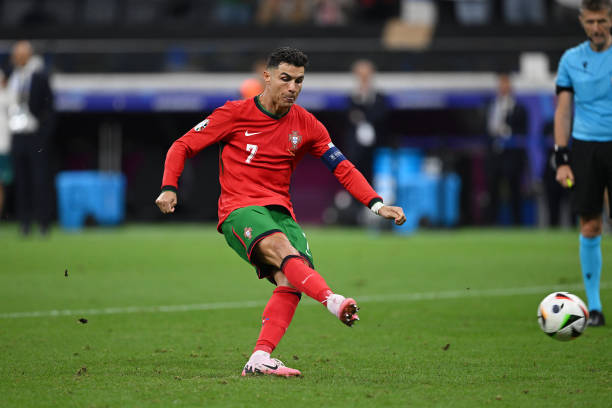
On paper, penalty kicks favour the attacker. The distance is fixed, the target is large, and the goalkeeper has limited reaction time. Yet, the success rate drops significantly in high-stakes matches.
This happens because pressure changes everything.
In normal play, decisions are instinctive. During penalty kicks, players have time to think. That pause invites doubt, anxiety, and overanalysis. The brain shifts from automatic execution to conscious control, which can disrupt natural movement patterns.
This mental interference is often referred to in sports psychology as “paralysis by analysis.”
The Role of Pressure and Expectation
Pressure during penalty kicks comes from multiple sources. There is the importance of the moment, the expectations of fans, teammates, and coaches, and the fear of failure.
Players are not just taking a shot. They are carrying consequences. This is why even elite players like Cristiano Ronaldo and Lionel Messi have missed crucial penalties despite their exceptional skill. The pressure does not eliminate ability, but it can interfere with execution.
In high-pressure environments, the brain often focuses more on what could go wrong than on what needs to go right. That shift in attention can affect timing, accuracy, and confidence.
The Goalkeeper’s Psychological Advantage
Although the odds favour the shooter, goalkeepers have their own psychological tools.
During penalty kicks, the goalkeeper’s role is not just physical. It is also strategic. Small actions like delaying the kick, making eye contact, or gesturing can increase the shooter’s anxiety.
Research shows that goalkeepers who appear bigger, more active, or more confident can subtly influence the direction of the shot. This is because the brain processes visual cues quickly, often without conscious awareness.
Some goalkeepers study patterns and tendencies. Others rely on intuition. Either way, their goal is the same: to disrupt the shooter’s mental clarity.
Mental Pressure in Football: Decision-Making Under Pressure
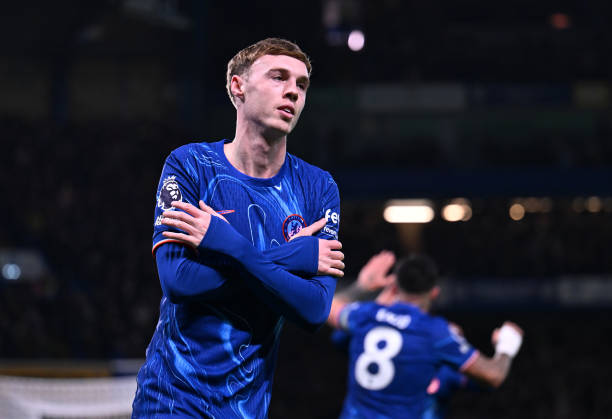
One of the most critical aspects of penalty kicks is decision-making.
Players generally adopt one of two approaches: They either decide where to shoot before stepping up, or they wait to react to the goalkeeper’s movement. Pre-decided shots rely on confidence and repetition. The player commits fully to a target and focuses on execution.
Reactive shots depend on reading the goalkeeper. This approach requires quick thinking and composure but carries more risk under pressure.
Studies in sports psychology suggest that pre-commitment is often more successful in high-pressure situations. It reduces hesitation and limits the chance of last-second doubt.
Routine and Mental Preparation
Consistency is key in penalty kicks, and routines play a major role. Many players develop pre-kick rituals to control their mental state. These routines can include specific breathing patterns, visualization, or repeated movements.
The purpose is simple: to create familiarity in an unfamiliar moment.
By focusing on a routine, players can block out distractions and maintain concentration. This helps the brain stay in a controlled, performance-oriented state rather than slipping into anxiety.
Penalty Kicks Under Pressure: The Impact of Crowd and Environment
The environment during penalty kicks can amplify pressure. Crowd noise, stadium atmosphere, and the importance of the match all contribute to mental stress. In some cases, hostile fans attempt to distract the shooter through movement and sound.
Interestingly, research shows that players often perform better when they narrow their focus. Instead of processing the entire environment, they concentrate only on the ball, the target, and their technique.
This selective attention is a crucial skill in high-pressure sports situations.
Confidence and Past Experience
Confidence plays a decisive role in penalty kicks.
Players with a history of successful penalties are more likely to convert again. This is not just because of technique, but because of belief. Confidence reduces hesitation and supports decisive action.
On the other hand, previous misses can linger in the mind. Negative memories may resurface during high-pressure moments, increasing anxiety.
This is why mental training is increasingly important in modern football. Teams now work with psychologists to help players manage pressure, build confidence, and recover from setbacks.
Famous Examples of Psychological Pressure
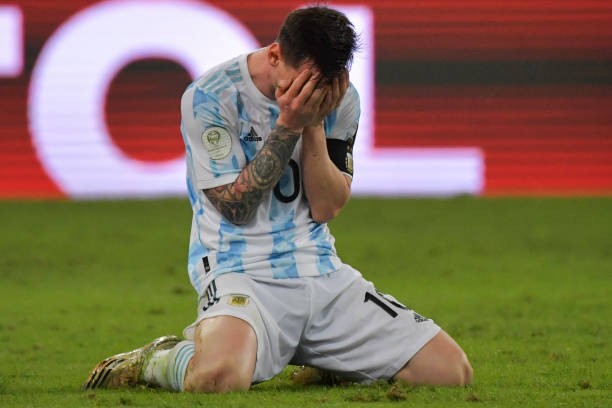
Football history is filled with moments where psychology defined penalty kicks. A most recent example is Brahim Diaz in the AFCON 2025. The Moroccan lost a last-minute kick-off that would have handed his country the victory. Other famous examples include Messi’s miss in the 2016 Copa America loss to Chile, among others.
In the FIFA World Cup, penalty shootouts have often decided crucial matches. Players who handle pressure become heroes, while those who struggle face intense scrutiny.
These moments highlight the thin line between success and failure. The difference is rarely physical ability alone. It is the ability to stay calm, focused, and confident under extreme pressure.
Sports Psychology in Football: Training the Mind for Penalty Kicks
Modern training methods now address the mental side of penalty kicks. Players practice not just technique, but also psychological resilience. This includes simulating pressure in training, using crowd noise, time constraints, and competitive scenarios.
Visualization is another powerful tool. By mentally rehearsing successful penalties, players can build confidence and reduce anxiety.
Breathing techniques are also widely used. Controlled breathing helps regulate heart rate and maintain focus during high-pressure moments.
Why Some Players Thrive Under Pressure
Not all players react to pressure in the same way. Some see penalty kicks as an opportunity rather than a threat. This mindset shifts the focus from fear to confidence.
Players who thrive under pressure tend to have strong mental routines, high self-belief, and the ability to stay present. They do not dwell on consequences. Instead, they focus entirely on the action.
This psychological resilience often separates good players from great ones.
Conclusion
Penalty kicks are far more than a simple technical exercise. They are a psychological contest where confidence, focus, and mental strength play decisive roles.
In high-pressure games, the difference between scoring and missing often comes down to the mind. The ability to manage stress, commit to decisions, and maintain composure can define outcomes at the highest level.
As football continues to evolve, the mental aspect of penalty kicks is receiving more attention than ever. Teams understand that success in these moments requires more than skill. It requires psychological mastery.
In the end, penalty kicks are not just about striking the ball. They are about controlling the moment.
