Football shirt are no longer just sportswear they are one of the most powerful commercial assets in global sport. From packed stadiums in Europe to street football in Lagos and fan zones in Asia, jerseys have become symbols of identity, culture, and commerce. Behind every shirt sold lies a complex ecosystem of licensing, branding, manufacturing, digital marketing, and global distribution.
In the modern game, football merchandising especially shirt sales has evolved into a multi-billion-euro industry that plays a central role in how clubs generate revenue, build global fanbases, and sustain long-term growth.
The Evolution of Football Merchandising
Historically, football clubs relied on three main revenue streams: matchday income, broadcasting rights, and sponsorships. Merchandising was once considered a secondary source of income. However, over the past two decades, that hierarchy has shifted dramatically.
Today, football merchandising particularly Football Shirt Sales has become a core pillar of club finances. Top clubs like Real Madrid, Barcelona, and Bayern Munich generate hundreds of millions of euros annually from merchandise and licensing deals.
This transformation has been driven by:
- Globalization of football fandom
- Expansion of e-commerce platforms
- Strategic branding and storytelling
- Collaborations with global apparel giants
The football shirt is no longer just worn on matchdays it is a lifestyle product.
How Football Shirt Sales Actually Work
A common misconception is that clubs earn directly from every shirt sold. In reality, the structure is more complex.
1. Kit Manufacturer Deals
Clubs sign long-term agreements with brands like Nike, Adidas, and Puma. These deals typically include:
- A guaranteed annual payment (base fee)
- Performance bonuses
- A percentage of merchandise sales (royalties)
For example, top clubs can earn over €100 million annually from kit deals alone.
2. Royalties and Margins
Clubs usually receive a royalty percentage often between 10% and 30% on merchandise sold.
This means:
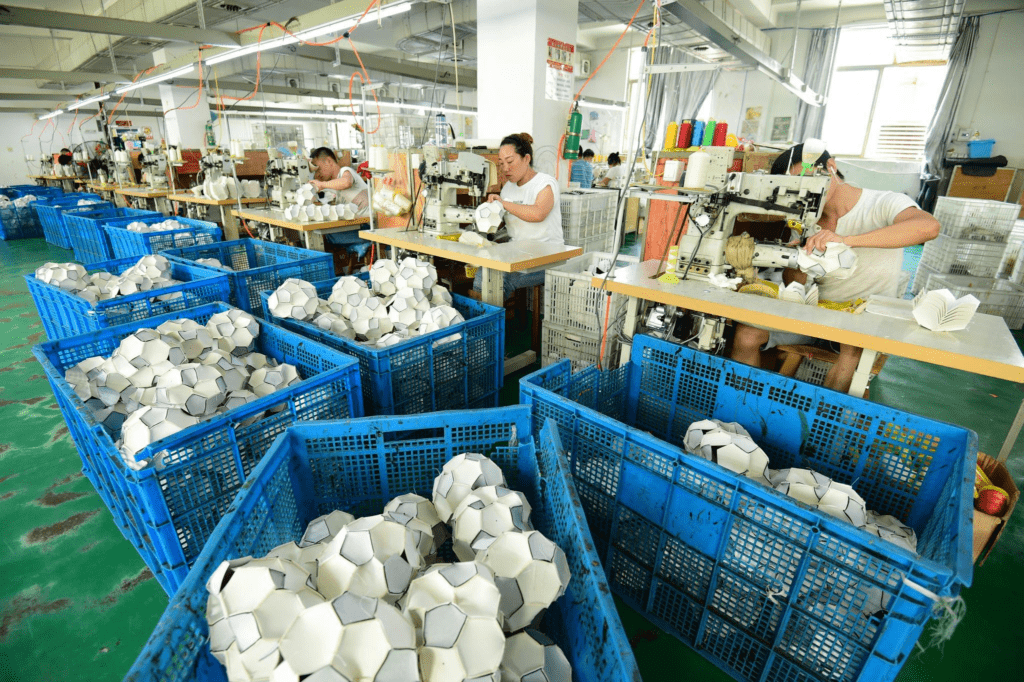
- Manufacturers handle production and distribution
- Retailers apply markups
- Clubs earn a share of final sales
In some cases, gross merchandise sales can reach hundreds of millions, while the club’s share is a fraction of that total.
The Scale of the Market
The numbers behind football shirt sales are staggering.
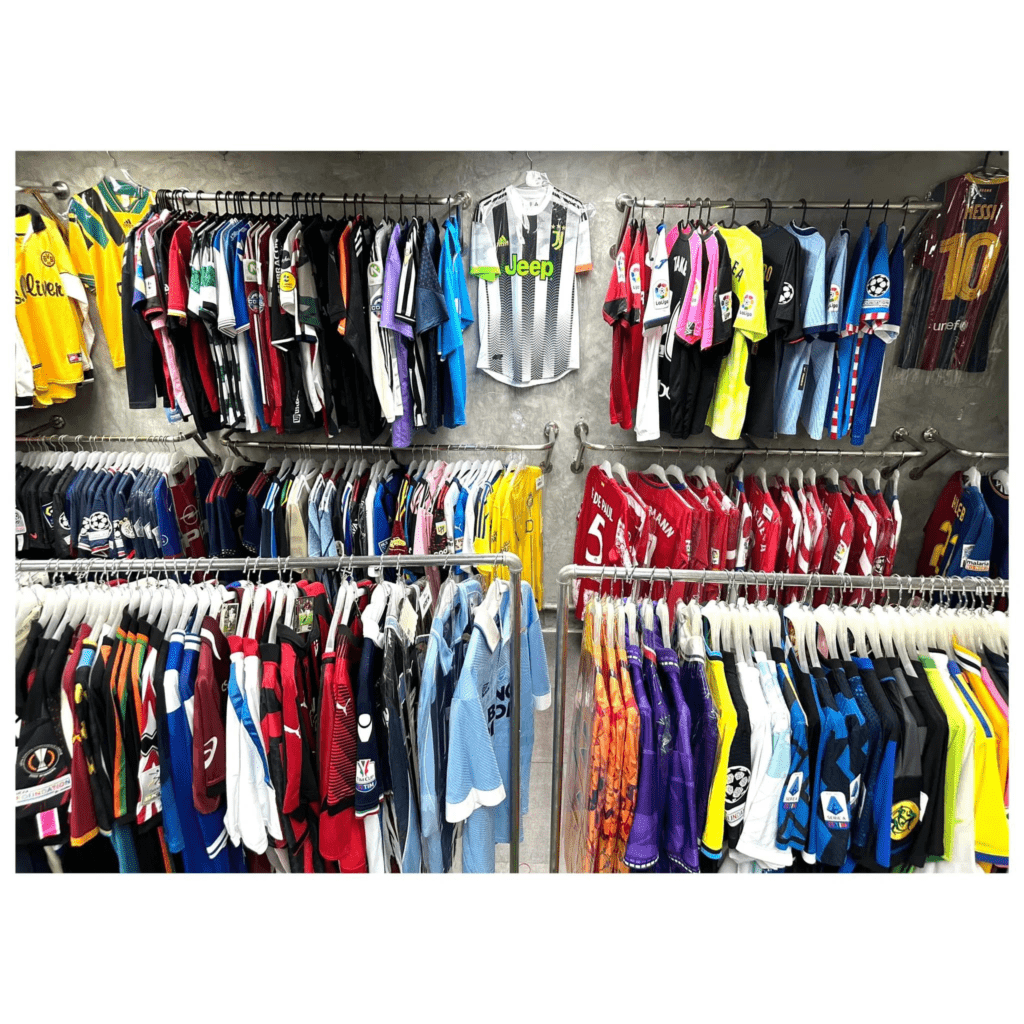
- Top clubs collectively sell over 20 million shirts annually
- Individual clubs like Real Madrid can exceed 3 million shirts per year
- Bayern Munich once sold 3.25 million jerseys in a single year
These figures highlight not just popularity, but global reach. A shirt sold in Europe is only part of the story massive markets in Asia, Africa, and the Americas drive much of the demand.
Also Read- World Cup Viewing in Doubt for Millions of Fans in India and China
Star Power: The Biggest Sales Driver
If there is one factor that consistently boosts shirt sales, it is player influence.
The arrival of superstar players often leads to immediate spikes in merchandise demand. For example:
- High-profile transfers can trigger millions of shirt sales within weeks
- Players like Lionel Messi and Cristiano Ronaldo have historically driven massive global demand
- New signings like Kylian Mbappé have significantly boosted club merchandising revenue
This phenomenon explains why clubs invest heavily in marquee signings not just for performance, but for commercial impact.
Pricing Strategy and Profit Margins
Football shirts are premium products. Retail prices for official jerseys often range between $80 and $150, with elite versions costing even more.
Despite relatively low production costs (often under $20), markups can exceed 100% in some markets.
This pricing strategy is driven by:
- Brand value
- Licensing fees
- Distribution costs
- Perceived exclusivity
Clubs and manufacturers position shirts as both sportswear and fashion items, allowing them to command higher prices.
Football Shirts as Fashion
One of the most significant shifts in recent years is the crossover between football and fashion.
Clubs now collaborate with designers, influencers, and lifestyle brands to create:
- Limited-edition kits
- Streetwear-inspired collections
- Retro and nostalgic designs
This has transformed football shirts into cultural statements. Clubs like Paris Saint-Germain have partnered with global fashion brands, expanding their appeal beyond traditional football audiences.
As a result:
- Shirts are worn casually, not just during matches
- New demographics (especially younger audiences) are targeted
- The product lifecycle extends beyond a single season
The Role of E-Commerce and Global Distribution
The digital revolution has completely reshaped how football shirts are sold.
Key Channels:
- Official club websites
- Global e-commerce platforms
- Social media integrations
- Mobile apps
Online sales now account for a significant portion of total merchandise revenue. In some cases, up to 80% of shirt purchases are made digitally, reflecting changing consumer behavior.
Global logistics networks allow clubs to:
- Deliver products worldwide
- Localize pricing and marketing
- Reach fans in emerging markets
This has been particularly important in regions like Africa and Asia, where football fandom is growing rapidly.
The Importance of Brand Identity
A football shirt is more than a product it is a representation of identity.
Clubs with strong global brands consistently outperform others in merchandise sales. This is why traditional giants dominate the market.
Key elements of brand strength include:
- Historical success
- Iconic players
- Global fan engagement
- Consistent visual identity
For example, clubs like Real Madrid and Barcelona have built decades-long global recognition, allowing them to maintain top positions in shirt sales year after year.
Challenges in the Industry
Despite its success, the football merchandising industry faces several challenges:
1. Counterfeit Products
Fake jerseys are widely available, especially in developing markets, reducing official sales.
2. Pricing Accessibility
High prices can limit access for fans in lower-income regions.
3. Market Saturation
With new kits released every season, some fans experience “merch fatigue.”
4. Revenue Distribution
Clubs often receive a smaller share compared to manufacturers and retailers.
Future Trends in Football Merchandising
The future of football shirt sales will likely be shaped by innovation and technology.
Emerging Trends:
- Personalization: Custom names, numbers, and designs
- Sustainability: Eco-friendly materials and production
- NFTs and Digital Merchandise: Virtual jerseys for online platforms
- Direct-to-Consumer Models: Clubs bypassing intermediaries
As broadcasting revenues stabilize, merchandising is expected to play an even larger role in club finances.
Conclusion
The business behind football shirt sales is a sophisticated blend of sport, fashion, technology, and global marketing. What was once a simple piece of fan apparel has evolved into a cornerstone of modern football economics.
From multi-million euro kit deals to SEO-driven online stores, every aspect of merchandising is carefully designed to maximize revenue and expand global reach. Star players, digital platforms, and brand identity all converge to create a powerful commercial engine that fuels the modern game.
For fans, buying a shirt may seem like a simple act of support. But behind that purchase lies a vast industry one that continues to grow, innovate, and redefine the relationship between football and its global audience.
In the end, the football shirt is more than fabric. It is business, culture, and identity stitched into one.