For much of football history, goalkeepers relied on courage more than equipment. Long before modern gloves offered world-class grip, cushioning and protection, goalkeepers stopped powerful shots with nothing but their bare hands. Rain, mud and freezing temperatures made the job even harder, yet the game’s last line of defense had little choice.
The evolution of goalkeeper gloves is therefore a story of innovation. What began as a simple attempt to protect fingers has evolved into one of football’s most technologically advanced pieces of equipment. From early leather designs to today’s latex grip technology, goalkeeper gloves have transformed the position and helped redefine what is possible between the posts.
As the sport has developed through different eras of World Cup history, goalkeeper gloves have become just as iconic as the players wearing them.
The Early Days of Goalkeeping Without Gloves
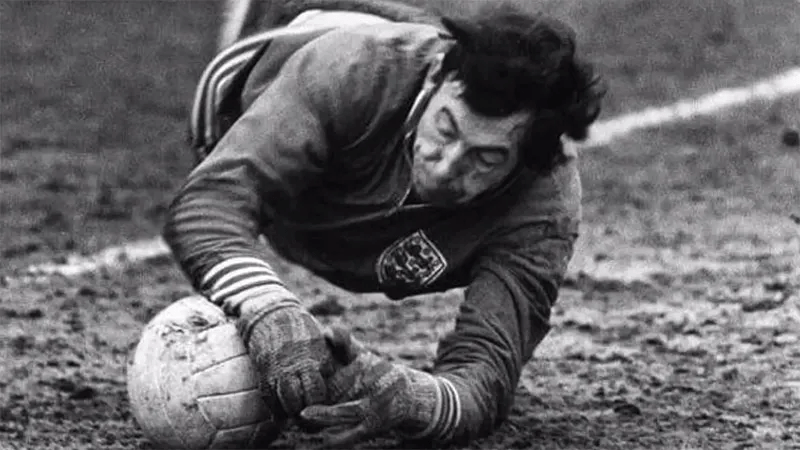
In the late nineteenth century and the early decades of the twentieth century, goalkeepers almost never wore gloves.
Footballs were made from thick leather that absorbed water during rainy matches, becoming significantly heavier as games progressed. Catching these balls was painful, especially during winter. Goalkeepers often suffered bruised palms, broken fingers and cuts.
Despite the risks, many believed playing with bare hands improved their feel for the ball. Wearing gloves was considered unnecessary or even a sign of weakness.
Some keepers experimented with ordinary wool or leather gloves during cold weather, but these were designed for warmth rather than football. They offered little grip and became slippery when wet.
The evolution of goalkeeper gloves truly began when manufacturers started creating equipment specifically for football rather than adapting everyday clothing.
The First Purpose-Built Goalkeeper Gloves
The first genuine goalkeeper gloves began appearing during the 1940s and 1950s.
These early models featured:
- Thick leather construction
- Basic padding on the palms
- Minimal wrist support
- Very limited grip
Their main purpose was protection rather than performance.
Many professional goalkeepers remained reluctant to wear them because the gloves reduced sensitivity when handling the ball. Others switched between gloves and bare hands depending on the weather.
Although primitive by today’s standards, these designs laid the foundation for every innovation that followed in the evolution of goalkeeper gloves.
Latex Changed Everything
The biggest breakthrough arrived during the 1970s. Manufacturers introduced latex foam palms that dramatically improved grip in both dry and wet conditions.
This innovation completely transformed goalkeeping. Instead of merely protecting hands, gloves now helped goalkeepers catch, hold and control the ball more effectively.
Latex also absorbed some of the force from powerful shots, reducing injuries while increasing confidence.
Many historians consider the introduction of latex to be the single most important moment in the evolution of goalkeeper gloves.
World Cup Goalkeepers Help Popularise Modern Gloves
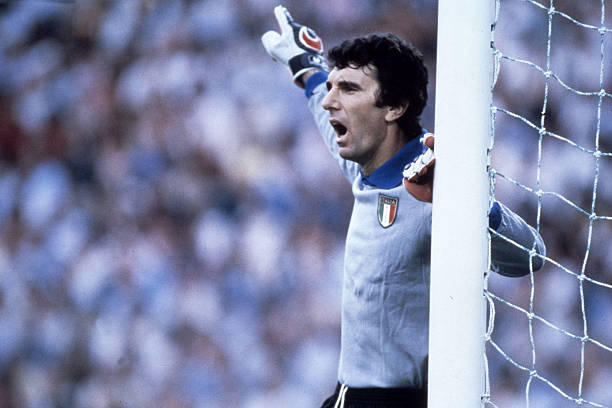
Major international tournaments played an enormous role in making goalkeeper gloves mainstream.
During the latter half of the twentieth century, millions of fans watched elite goalkeepers wearing increasingly sophisticated gloves at FIFA World Cups.
Legendary keepers such as Gordon Banks, Dino Zoff, Harald Schumacher, Peter Shilton, Walter Zenga helped showcase how equipment was changing alongside the game.
As television audiences grew, manufacturers gained worldwide exposure whenever goalkeepers produced spectacular saves on football’s biggest stage.
Throughout World Cup history, goalkeeper gloves became symbols of excellence rather than optional accessories.
The Rise of Specialist Goalkeeper Brands
The 1980s and 1990s marked another major chapter in the history of goalkeeper gloves.
Companies began focusing entirely on goalkeeper equipment instead of producing general football gear.
Specialist brands introduced innovations including:
- Softer latex compounds
- Improved stitching
- Better wrist straps
- Stronger finger protection
- Lightweight materials
Competition between manufacturers accelerated development.
Professional goalkeepers increasingly worked directly with brands to test new products and provide feedback before commercial release.
Finger Save Technology Revolutionized Safety
One of the most important safety developments arrived during the late 1990s. Finger protection systems, often called Finger Save technology, used flexible spines inserted into the fingers of gloves.
These supports helped prevent fingers from bending backwards when stopping powerful shots.
Although not every goalkeeper prefers finger protection today, it significantly reduced certain hand injuries, particularly for younger players and amateurs.
This innovation represented another milestone in the evolution of goalkeeper gloves, balancing protection with flexibility.
Modern Goalkeeper Gloves Use Advanced Engineering

Today’s goalkeeper gloves are far more sophisticated than many people realise.
Modern designs involve years of research into materials, biomechanics and player performance.
Features now include professional-grade German latex, negative, hybrid and roll finger cuts, breathable mesh fabrics, silicone punch zones, lightweight backhands, elastic wrist systems, and moisture management technology.
Every component is designed to improve performance under specific conditions.
Some gloves even perform differently depending on temperature or humidity.
Different Glove Cuts for Different Styles
Modern goalkeepers choose glove cuts based on personal preference.
The most common include:
Flat Cut
Offers a traditional fit with a larger catching surface.
Roll Finger
Wraps latex around the fingers to maximise contact with the ball.
Negative Cut
Provides a tighter fit for improved control and precision.
Hybrid Cut
Combines several cuts to balance comfort, grip and flexibility.
Choosing the right glove has become almost as important as choosing the right boots.
Evolution of Goalkeeper Gloves Have Changed Goalkeeping
The evolution of gloves has influenced how goalkeepers play.
Earlier generations often punched crosses because catching heavy leather footballs was difficult.
Modern gloves allow keepers to catch crosses more confidently, hold powerful shots, distribute the ball accurately, control difficult aerial balls, and play comfortably as ball-playing goalkeepers.
As football tactics evolved, equipment evolved alongside them.
Today’s keepers are expected to contribute during build-up play, making reliable grip even more valuable.
Memorable Gloves in World Cup History
Many iconic moments in World Cup history featured unforgettable goalkeeper performances enhanced by modern equipment.
Gianluigi Buffon used advanced gloves during Italy’s victorious 2006 campaign.
Iker Casillas produced decisive saves for Spain in 2010 with high-performance latex gloves.
Manuel Neuer helped redefine the sweeper-keeper role while wearing custom-made gloves during Germany’s 2014 triumph.
Emiliano Martínez became one of the stars of Argentina’s 2022 victory, with his gloves playing a vital role during dramatic penalty shootouts.
Although skill remains the decisive factor, improved equipment has unquestionably helped goalkeepers perform at the highest level.
Conclusion
The evolution of goalkeeper gloves mirrors the evolution of football itself. What started as simple hand protection has become one of the sport’s most advanced pieces of equipment.
Across generations of football history, gloves have helped goalkeepers make safer catches, recover more quickly from powerful shots and perform with greater confidence. They have also become inseparable from countless iconic moments in World Cup history, where legendary saves have defined tournaments and inspired future generations.
From bare hands on muddy pitches to precision-engineered gloves worn by the world’s best, the evolution of goalkeeper gloves is a testament to how innovation continues to improve football without changing its essence. Every remarkable save made today carries the legacy of more than a century of progress.

1 comment
[…] of the most surprising forgotten football rules allowed goalkeepers far greater freedom than modern fans might […]