Dutch football has been left in mourning following the death of referee Rob Dieperink, just weeks after he was removed from FIFA’s list of officials for the 2026 FIFA World Cup.
The 38-year-old, who had established himself as one of the Netherlands’ most respected match officials, passed away under circumstances that have not been publicly disclosed. His death comes after a difficult few months in which he was dropped from officiating duties at the World Cup despite a police investigation against him being closed without further action.
The Royal Dutch Football Association (KNVB) has paid tribute to the experienced official, describing him as both an outstanding referee and a valued colleague.
Rob Dieperink’s Death Shocks Dutch Football
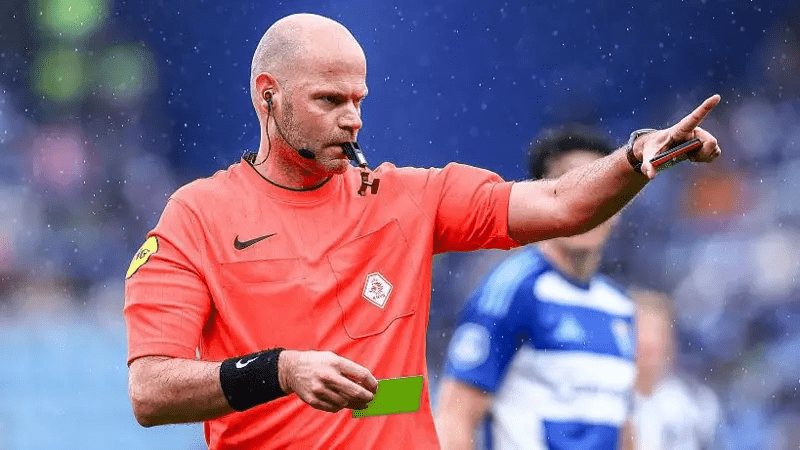
News of Rob Dieperink’s death has sent shockwaves through Dutch football.
The KNVB released an emotional statement expressing its sadness following the loss of one of the country’s leading referees.
“With Rob, we lose a highly valued referee, but above all a kind and dedicated colleague,” the statement read.
“Our thoughts go out to his family, friends, and everyone who held him dear. We wish them much strength and support in processing this great loss.”
No official cause of death has been announced.
The football community across the Netherlands has reacted with sympathy, remembering Dieperink not only for his professionalism on the pitch but also for his character away from football.
Why Rob Dieperink Was Removed From the 2026 FIFA World Cup
Earlier this year, Rob Dieperink had been selected by FIFA to serve as a Video Assistant Referee (VAR) during the 2026 FIFA World Cup.
However, his appointment was withdrawn in May after he became the subject of a police investigation in the United Kingdom.
The Metropolitan Police arrested the Dutch official in April following an allegation of sexual assault involving a teenage boy.
After carrying out what police described as a thorough investigation, officers reviewed CCTV footage, examined digital devices and gathered all available evidence.
The investigation concluded that there was insufficient evidence to meet the required legal threshold.
As a result, no further action was taken against Dieperink.
Despite the case being closed, FIFA decided to remove him from the list of World Cup officials.
Dieperink Maintained His Innocence
Following his removal from the 2026 FIFA World Cup, Rob Dieperink publicly insisted he had done nothing wrong.
Speaking to Dutch newspaper De Telegraaf, he said the allegations had deeply affected him.
“It saddens me greatly that I have been wrongly accused.”
He also explained that he had cooperated fully throughout the investigation.
“From the beginning, I have fully cooperated in the police investigation and also immediately gave full openness to FIFA, UEFA and the KNVB.”
Although disappointed by FIFA’s decision, he acknowledged the support he had received from the Dutch football authorities.
“I am grateful for the support I have received from the KNVB and the way in which they have dealt with this case.”
His comments reflected both frustration and disappointment after seeing his opportunity to work at the 2026 FIFA World Cup disappear.
A Career Built in Dutch Football
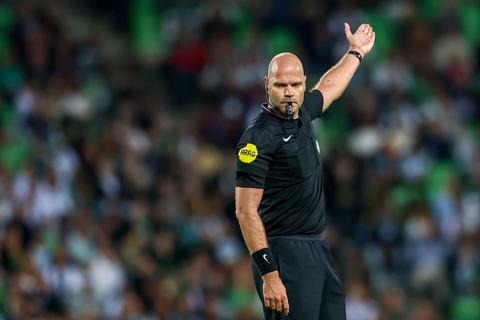
Rob Dieperink began officiating regularly in the Eredivisie, the Netherlands’ top division, in 2017.
Over the years, he established a reputation as one of the country’s dependable referees before earning opportunities on the international stage.
His growing standing led to appointments as a VAR official in UEFA competitions, including Euro 2024.
Dieperink also worked in European club competitions.
One of his most recent assignments came on 9 April when he served as the VAR during Crystal Palace’s 3-0 UEFA Europa Conference League quarter-final first-leg victory over Fiorentina.
His selection for the 2026 FIFA World Cup had been viewed as another significant milestone in his refereeing career before events took an unexpected turn.
Metropolitan Police Statement
Following the closure of the investigation, the Metropolitan Police confirmed that officers had completed extensive enquiries before deciding no charges would follow.
According to the police statement, officers responded to a report of an alleged sexual assault at an address in Croydon on 9 April.
A man in his 30s was arrested on suspicion of sexual assault.
Police stated that investigators gathered CCTV evidence, examined digital devices and carried out a comprehensive review before concluding that the evidential threshold required for prosecution had not been met.
The case was therefore closed without further action.
Football Community Pays Tribute
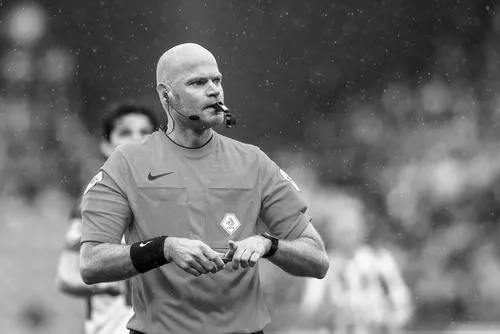
The death of Rob Dieperink has prompted tributes from across Dutch football.
While his final months were overshadowed by events away from the pitch, many colleagues have chosen to remember his years of service to the game.
The KNVB highlighted not only his abilities as an official but also his kindness and professionalism.
His journey from domestic football to officiating major European competitions reflected years of dedication to refereeing.
For many officials working their way through the ranks, Dieperink’s rise demonstrated what could be achieved through consistency and commitment.
A Difficult Final Chapter
The months leading to Dieperink’s death were undoubtedly among the most challenging of his career.
Being removed from the 2026 FIFA World Cup after earning selection represented a significant professional setback.
Although the police investigation ultimately ended without charges, the decision by FIFA meant he would not take part in football’s biggest tournament.
Dieperink maintained throughout that he had been wrongly accused and had fully cooperated with every authority involved.
His death now brings an abrupt and tragic end to a refereeing career that had reached the highest levels of Dutch and European football.
Rob Dieperink’s Legacy
The passing of Rob Dieperink marks a sad moment for football in the Netherlands.
He will be remembered as an experienced Eredivisie referee, an international VAR official, and someone who worked hard to reach the elite level of football officiating.
His selection for the 2026 FIFA World Cup reflected the respect he had earned within the refereeing community, even though circumstances prevented him from participating.
As tributes continue to arrive, colleagues, players and supporters alike will remember Rob Dieperink for his contribution to football over nearly a decade at the highest level of Dutch officiating.
His death leaves a void within the refereeing community, while the circumstances surrounding his final months ensure his story will remain one of the most talked-about chapters involving officials in recent football history.

1 comment
The discussion shared good reasons to explore the topic further while browsing online and I look forward to reading more from you