The selection of Kenyon Sadiq by the New York Jets in the 2026 NFL Draft was one of the most surprising moments of the first round. Widely regarded as the top tight end prospect in his class, Sadiq’s talent is not in question. What is being questioned, however, is the logic behind the pick.
For a team with several pressing needs across the roster, using a premium selection on a position that already had recent investment raises a difficult but necessary question. Did the Jets make a smart long-term play, or was this a luxury they simply could not afford?
The Talent Is Undeniable

There is a reason Kenyon Sadiq was so highly rated coming out of Oregon Ducks. He is not a traditional tight end. He plays with the fluidity of a wide receiver, offering route-running precision, speed in open space, and the ability to stretch defenses vertically.
In modern offensive systems, players like Kenyon Sadiq are incredibly valuable. They create mismatches against linebackers and safeties, forcing defenses into uncomfortable coverage decisions. In isolation, the pick makes perfect football sense. Dynamic pass-catchers are always in demand.
But draft decisions are never made in isolation. Context matters, and in the case of the Jets, context complicates everything.
A Question of Positional Priority
The biggest issue with the Sadiq selection is not about his ability. It is about positional value relative to team needs.
The Jets already invested heavily in the tight end position just a year earlier by selecting Mason Taylor in the second round of the 2025 draft. That kind of investment typically signals long-term planning. Teams expect second-round picks to develop into consistent starters, not to be immediately overshadowed by another high draft selection at the same position.
By drafting Sadiq, the Jets have effectively doubled down on tight end while leaving other areas under-addressed. For a roster that still has gaps at quarterback, offensive line, and depth across the defense, this allocation of resources feels misaligned.
The “Luxury Pick” Problem
This is where the concept of a “luxury pick” comes into play. A luxury pick is a selection made not out of necessity, but out of opportunity. It is the kind of move usually reserved for teams that already have a strong, balanced roster and can afford to add talent without worrying about immediate weaknesses.
The Jets are not that team.
After several inconsistent seasons, the franchise is still trying to establish stability. There are lingering questions at quarterback, concerns about offensive cohesion, and a need for greater depth across multiple units. In that context, using the 16th overall pick on a tight end looks less like a strategic masterstroke and more like a gamble.
The Coaching Staff Now Carries the Burden
By making this selection, the Jets have shifted pressure onto their coaching staff, particularly offensive coordinator Frank Reich.
To justify the pick, the Jets will need to significantly adjust their offensive approach. One likely outcome is an increased reliance on 12 personnel, a formation that features one running back and two tight ends. This would allow both Sadiq and Taylor to be on the field simultaneously, maximizing their combined impact.
However, this approach is not without challenges. Reich’s historical usage of 12 personnel has been relatively average, not a defining feature of his offenses. Integrating two tight ends effectively requires careful play design, disciplined execution, and a quarterback capable of reading the field quickly.
Without those elements, the strategy risks becoming predictable or underutilized.
The Quarterback Factor
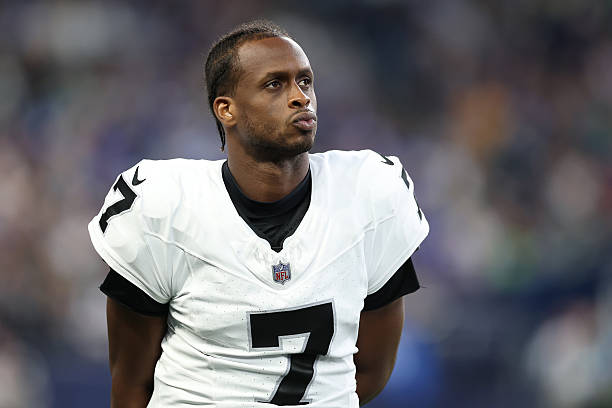
No discussion about the Jets’ offensive future is complete without addressing the quarterback situation. Whether it is Geno Smith or a future option like Cade Klubnik, the success of this pick is heavily dependent on competent quarterback play.
Tight ends thrive in systems where the quarterback can exploit mismatches and deliver accurate throws in tight windows. If the Jets struggle at quarterback, even the most talented pass-catchers will find it difficult to make a consistent impact.
In that sense, drafting Kenyon Sadiq without first securing stability at quarterback adds another layer of risk. It places the development of a premium talent in an uncertain environment.
Historical Rarity and What It Signals
The decision to draft tight ends in high rounds in consecutive years is extremely rare in the NFL. It signals one of two things. Either the team has a clear, innovative vision for how to use both players, or it reflects a lack of alignment in roster planning.
If it is the former, the Jets could be ahead of the curve, building an offense that leverages versatility and matchup advantages. If it is the latter, the pick may become an example of inefficiency, where resources are concentrated in one area while others remain neglected.
Potential Upside If It Works
Despite the concerns, there is a path where this decision pays off.
If Kenyon Sadiq and Taylor both develop into high-level contributors, the Jets could field one of the most dynamic tight end duos in the league. This would create unique offensive possibilities, allowing them to dictate matchups and control defensive alignments.
In a league that increasingly values versatility, having two elite hybrid tight ends could become a significant competitive advantage. It could open up the playbook, enhance the running game, and provide reliable options in the passing attack.
But reaching that outcome requires everything to go right. Development, health, coaching, and quarterback play must all align.
The Risk of Opportunity Cost of Kenyon Sadiq Deal
The real cost of the Kenyon Sadiq pick is not just about what he becomes. It is about what the Jets did not address.
At No. 16, there were likely prospects available at positions of greater need. Offensive linemen who could protect the quarterback, defensive players who could strengthen the unit, or even a quarterback prospect who could shape the franchise’s future.
By choosing Kenyon Sadiq, the Jets passed on those opportunities. If those unaddressed needs continue to impact performance, the decision will face increased scrutiny, regardless of Kenyon Sadiq’s individual success.
A Long-Term Bet with Immediate Pressure
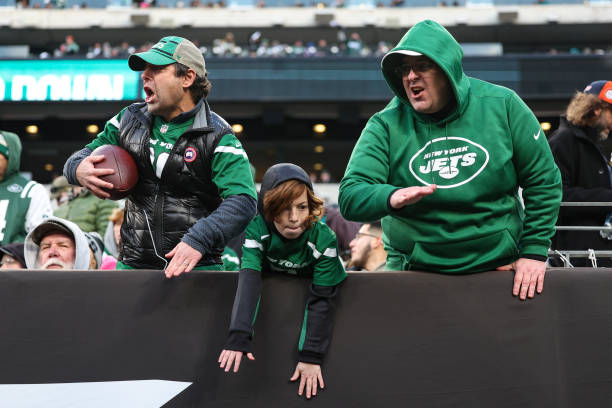
Ultimately, the Jets’ selection of Kenyon Sadiq is a long-term bet. It reflects a belief in talent over immediate need, in upside over balance.
But in the NFL, patience is rarely guaranteed. Teams are judged not just on their vision, but on their results. If the Jets fail to improve in the short term, this pick will be seen as a misstep. If they find a way to integrate Kenyon Sadiq effectively while addressing other needs, it could be viewed as bold and forward-thinking.
Conclusion
Kenyon Sadiq may very well become one of the best tight ends in the league. His skill set, athleticism, and versatility give him that potential.
The problem is not the player. It is the timing, the context, and the allocation of resources by the New York Jets.
For a team still searching for identity and stability, the margin for error is thin. This pick has raised the stakes. Now, the Jets must prove that their vision is not only ambitious, but also executable.
