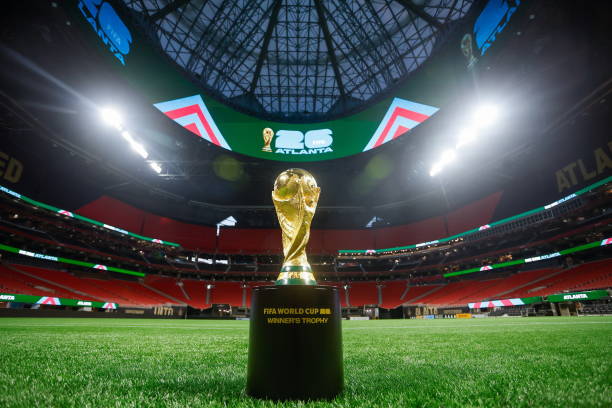
The countdown to the 2026 FIFA World Cup is well underway, and fans across the globe are already planning their calendars around football’s biggest tournament. With more teams, more matches, and more host cities than ever before, understanding the FIFA World Cup schedule has become essential for supporters eager to follow every moment of the action.
The 2026 tournament will be historic for several reasons. It will be the first World Cup hosted by three nations, the first to feature 48 teams, and the largest edition in the competition’s history. As excitement continues to build, here is everything you need to know about the FIFA World Cup schedule, including key dates, tournament format, and what fans can expect throughout the competition.
FIFA World Cup Schedule Overview
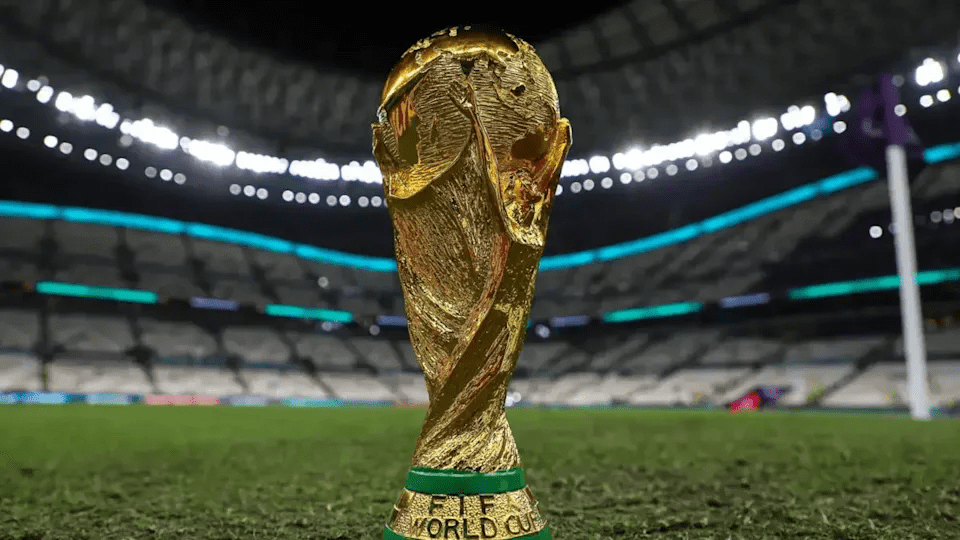
The 2026 FIFA World Cup will take place across the United States, Canada, and Mexico. The expanded format means the competition will feature 104 matches, a significant increase from the 64 matches played during recent editions.
The tournament is expected to begin in June 2026 and conclude with the final in July 2026. Teams will compete through a group stage before progressing into an expanded knockout phase that will ultimately determine the next world champion.
The FIFA World Cup schedule has been designed to accommodate the larger field of participants while maintaining the drama and excitement that have defined the tournament for generations.
How the New Tournament Format Works
One of the biggest changes affecting the FIFA World Cup schedule is the expansion from 32 teams to 48 teams.
The participating nations will be divided into 12 groups of four teams each. Every team will play three group-stage matches. Once the group stage concludes, the top two teams from each group, along with the eight best third-placed teams, will advance to the knockout rounds.
This structure creates a new Round of 32 before the traditional Round of 16, giving fans even more high-stakes football to enjoy.
The revised format ensures that more nations have an opportunity to compete while preserving the competitive intensity that makes the World Cup special.
FIFA World Cup Schedule: Group Stage
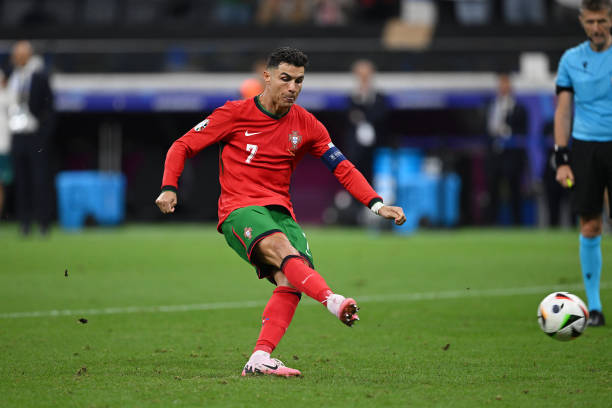
The opening weeks of the tournament will focus on the group stage.
Each nation will play three matches, with points awarded in the traditional format:
- Three points for a win
- One point for a draw
- Zero points for a loss
The FIFA World Cup schedule during this phase will feature multiple matches daily, allowing supporters to enjoy continuous football action.
For players and coaches, the group stage is often the most challenging part of the tournament. Teams must balance attacking ambition with defensive discipline, knowing that a single mistake can have significant consequences.
Historically, some of the World Cup’s biggest surprises have occurred during this phase, with underdogs often producing memorable performances against football’s traditional powers.
Round of 32: A New Addition
The introduction of the Round of 32 represents one of the most significant changes to the FIFA World Cup schedule.
For the first time, teams advancing from the group stage will enter an additional knockout round before reaching the Round of 16. This means more elimination matches and more opportunities for dramatic moments.
Every match from this stage onward will be win-or-go-home. If teams remain level after 90 minutes, extra time and penalties may be required to determine a winner.
The addition of the Round of 32 is expected to increase both excitement and unpredictability throughout the tournament.
Round of 16 and Quarter-finals
Once the Round of 32 concludes, the surviving teams will move into the Round of 16.
This phase traditionally marks the point where title contenders begin to separate themselves from the rest of the field. Every mistake becomes magnified, and every goal can define a nation’s tournament.
The quarter-finals follow shortly afterward and often produce some of the most memorable matches in World Cup history. Legendary encounters involving nations such as Brazil, Argentina, Germany, and France have frequently occurred at this stage.
According to the FIFA World Cup schedule, these rounds will be spread across several days, allowing teams adequate recovery time between matches.
Semi-finals: The Final Four
The semi-finals represent the final hurdle before reaching football’s biggest stage.
Only four teams remain at this point, and the pressure becomes immense. Every player understands that victory means a place in the World Cup final, while defeat leaves dreams shattered.
Some of football’s greatest moments have occurred in World Cup semi-finals. From stunning goals to dramatic extra-time victories, this stage consistently delivers unforgettable drama.
The FIFA World Cup schedule places the semi-finals just days before the championship match, ensuring momentum and excitement continue building toward the tournament’s conclusion.
Third-Place Match
Before the final takes place, the two losing semi-finalists will compete in the third-place playoff.
Although it does not carry the prestige of the final itself, the match offers nations an opportunity to finish the tournament on a positive note.
Several teams have used the third-place game to secure their best-ever World Cup finish, making it a meaningful fixture despite the disappointment of missing the final.
FIFA World Cup Final
The culmination of the FIFA World Cup schedule is, of course, the final.
This is the match every player dreams of reaching. Millions of fans around the world tune in to watch two nations battle for football’s most prestigious trophy.
The World Cup final has produced some of the sport’s most iconic moments, from legendary goals to dramatic penalty shootouts. Players who perform on this stage often cement their place in football history forever.
The winning captain will lift the famous FIFA World Cup Trophy and secure a place among the sport’s immortals.
Host Cities and Travel Considerations
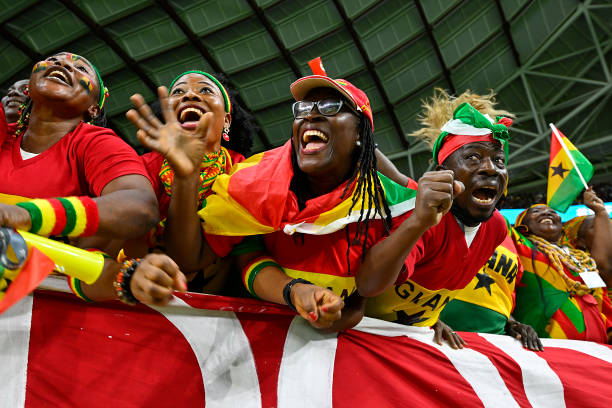
The unique three-country hosting arrangement means the FIFA World Cup schedule will involve significant travel.
Matches will be played across numerous cities in the United States, Canada, and Mexico. Teams, supporters, and tournament officials will move between venues throughout the competition.
While the geographical scale presents logistical challenges, it also offers fans the opportunity to experience diverse cultures and iconic stadiums during the tournament.
The expanded host structure reflects FIFA’s ambition to make the World Cup more inclusive and accessible than ever before.
Why the 2026 FIFA World Cup Schedule Matters
The expanded FIFA World Cup schedule represents a new era for international football.
More teams mean greater global representation. More matches mean additional opportunities for unforgettable stories. More host cities mean a broader celebration of the world’s most popular sport.
For fans, understanding the FIFA World Cup schedule is the first step toward enjoying every twist and turn of what promises to be the biggest tournament in football history.
As the opening match approaches, anticipation will continue to grow. From the group stage to the final, the FIFA World Cup schedule guarantees weeks of elite competition, emotional drama, and unforgettable moments that will captivate football supporters around the globe.
