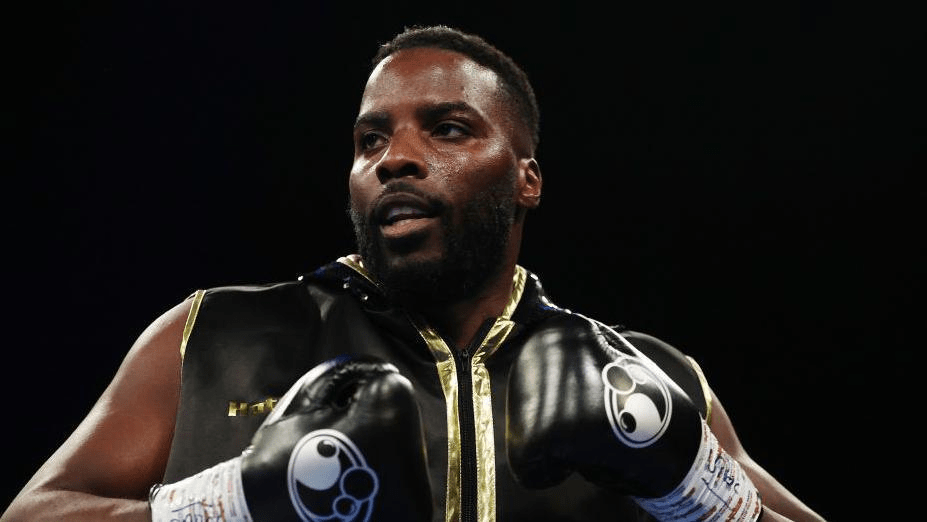
Lawrence Okolie failed a doping test ahead of his scheduled heavyweight clash with Tony Yoka in Paris has sent shockwaves through the boxing world. What was expected to be a crucial contest for both fighters has instead turned into a controversy that raises serious questions about integrity, accountability, and the pressures of elite sport. The incident, which emerged just days before the bout, not only disrupted the event but also cast uncertainty over Okolie’s career and the broader credibility of professional boxing.
A Fight with High Stakes
The planned bout between Okolie and Yoka was more than just another fight it was a high-stakes encounter with significant implications for the heavyweight division. Okolie, a former world champion who had recently moved up from cruiserweight, was positioning himself for a potential shot at the heavyweight title. Ranked highly by the World Boxing Council (WBC), he viewed the fight as a stepping stone toward global recognition in boxing’s most prestigious weight class.
Yoka, on the other hand, brought his own pedigree to the contest. A gold medalist at the 2016 Olympics, he had long been considered one of France’s brightest boxing talents. The Paris fight was expected to draw considerable attention, not only because of the fighters’ reputations but also because of the narrative of two elite athletes seeking redemption and advancement in their careers.
The Failed Test and Immediate Fallout
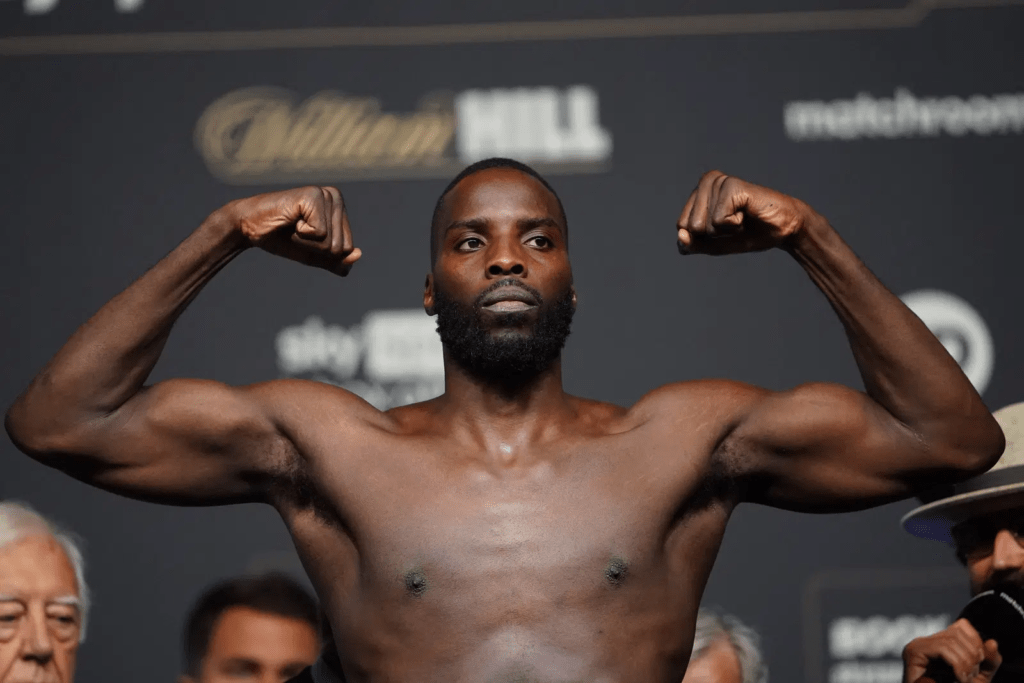
However, those expectations were abruptly shattered when it was revealed that Okolie had returned an “adverse finding” in a doping test conducted by the Voluntary Anti-Doping Association (VADA). The result emerged during routine pre-fight screening, leaving promoters and organizers scrambling to respond.
The consequences were swift and severe. The fight itself was called off, and in some reports, the entire event in Paris was canceled, affecting multiple fighters and stakeholders. Promoters indicated that further updates would follow, but the immediate damage was already evident: fans were disappointed, schedules were disrupted, and the credibility of the event was undermined.
From a regulatory perspective, the failed test triggered a formal process that could have long-lasting consequences for Okolie. Anti-doping authorities are expected to review the case, and depending on the findings, he could face a suspension of up to four years. Such a penalty would be a devastating blow to a fighter at a critical stage of his career.
Okolie’s Response and Defense
In the wake of the announcement, Okolie moved quickly to address the situation publicly. He denied any intentional wrongdoing and suggested that the adverse finding might be linked to medical treatment he had received for an elbow injury sustained during training camp.
According to Okolie, the injury itself followed an earlier bicep problem, and the treatment he underwent may have inadvertently introduced a banned substance into his system. He expressed confidence that a full investigation would clear his name and emphasized his willingness to cooperate with all relevant authorities.
This defense is not uncommon in doping cases, where athletes often attribute positive tests to contamination, medical procedures, or supplements. However, such claims are subject to rigorous scrutiny, and the burden of proof typically lies with the athlete to demonstrate that no intentional violation occurred.
Also Read- How Boxing Training Camps Work Before Big Fights
The Substance and Its Implications
Reports indicate that the substance detected in Okolie’s sample may be GHRP-2, a compound associated with the stimulation of human growth hormone. This type of substance is banned under anti-doping regulations because it can enhance muscle growth, improve recovery, and provide an unfair competitive advantage.
The presence of such a substance raises serious concerns, regardless of intent. In combat sports like boxing, where physical strength and endurance are critical, the use of performance-enhancing drugs not only undermines fairness but also poses safety risks to opponents. This is why anti-doping agencies enforce strict liability: athletes are ultimately responsible for any substance found in their bodies.
Impact on the Event and the Sport
The cancellation of the Okolie-Yoka fight had ripple effects beyond the two fighters involved. The entire fight card, which included several other bouts, was reportedly called off, leaving other boxers without opportunities to compete. For many of these athletes, such events represent months of preparation and a crucial source of income, making the cancellation particularly damaging.
For the sport as a whole, the incident adds to a growing list of doping controversies that have tarnished boxing’s reputation. While governing bodies and organizations have made efforts to strengthen anti-doping measures, high-profile cases continue to emerge, raising questions about the effectiveness of current systems.
The timing of the test result just days before the fight also highlights the challenges of ensuring fairness while maintaining the logistical and financial viability of major events. Promoters must balance the need for rigorous testing with the practical realities of organizing fights, often under tight schedules and significant financial pressure.
A Career at a Crossroads
For Okolie, the failed test represents a critical turning point. At 33 years old, he is at a stage where opportunities for major fights are limited by time. A lengthy suspension could effectively end his chances of competing for a heavyweight world title.
Even if he is ultimately cleared, the damage to his reputation may be difficult to repair. In professional sports, allegations of doping can have lasting effects on public perception, sponsorship opportunities, and career prospects. Fans and analysts often remain skeptical, even in cases where athletes are exonerated.
At the same time, Okolie’s past achievements cannot be ignored. He has held world titles at cruiserweight and bridgerweight and successfully transitioned to the heavyweight division, earning recognition as a serious contender. The current controversy, therefore, represents a stark contrast to a career that had been on an upward trajectory.
Broader Lessons for Boxing
The Okolie case underscores several broader issues within boxing and professional sports more generally. First, it highlights the importance of transparency and accountability in maintaining the integrity of competition. Anti-doping measures are essential, but they must be consistently applied and supported by clear communication to ensure public trust.
Second, the incident illustrates the pressures faced by elite athletes. The pursuit of success at the highest level often involves intense physical demands, frequent injuries, and the constant need to perform. While these pressures do not justify doping, they provide context for understanding why such cases continue to occur.
Finally, the situation raises questions about the role of promoters, trainers, and medical professionals in safeguarding athletes. Ensuring that treatments and supplements comply with anti-doping regulations is a shared responsibility, and failures in this area can have serious consequences.
Conclusion
The failure of Lawrence Okolie’s doping test ahead of his fight with Tony Yoka represents a significant moment in contemporary boxing. What was meant to be a defining contest has instead become a cautionary tale about the fragility of reputation and the high stakes of professional sport.
As investigations continue, the focus will shift toward determining the circumstances surrounding the positive test and the appropriate consequences. Whether Okolie is ultimately cleared or sanctioned, the episode serves as a reminder of the challenges facing modern boxing: balancing ambition with integrity, competition with fairness, and spectacle with responsibility.
In the end, the true impact of this incident will be measured not only by its effect on Okolie’s career but also by what it reveals about the sport itself and how it chooses to respond.