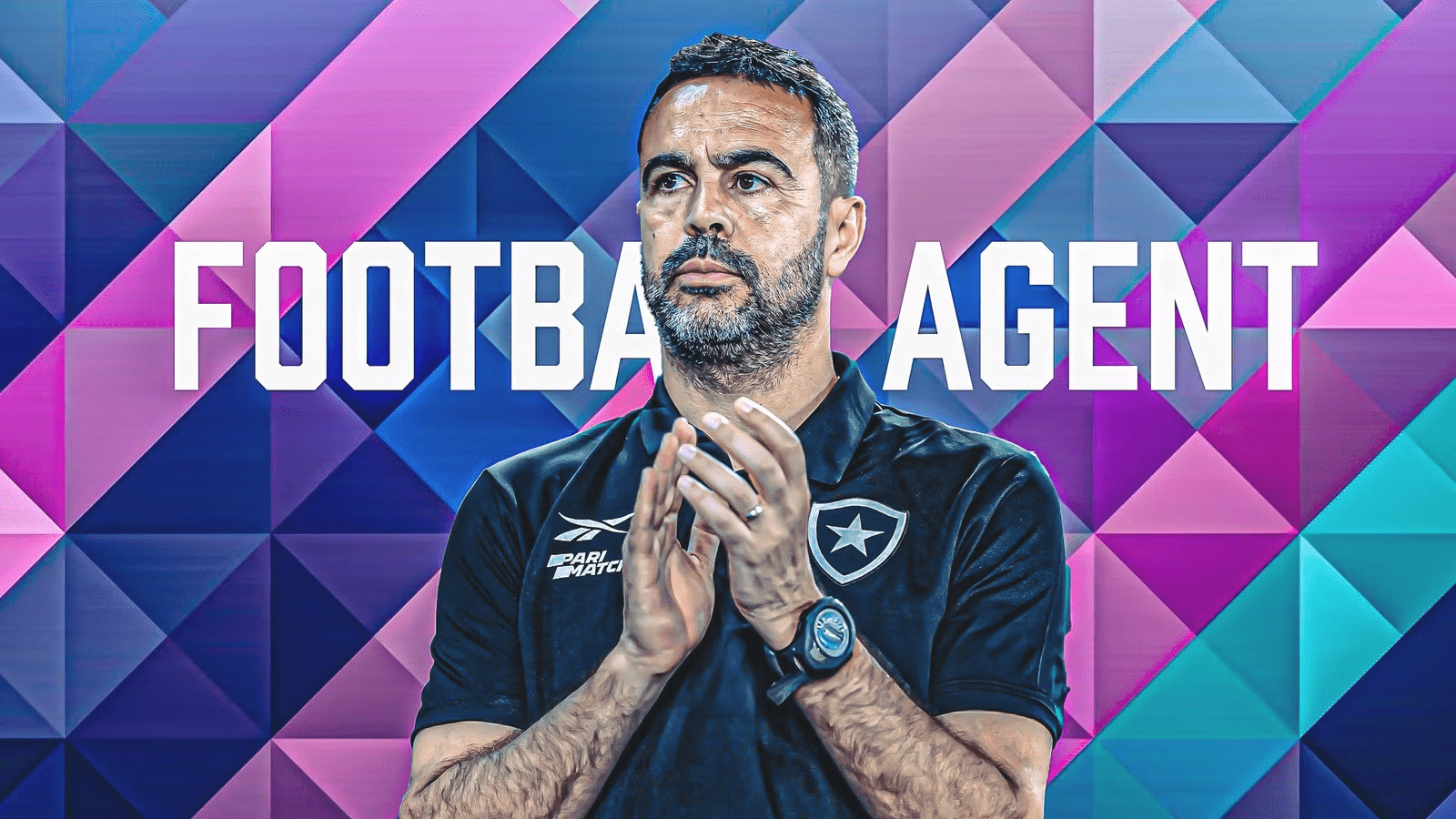
The modern football industry has evolved into a multi-billion-dollar global enterprise characterized by complex transfers, lucrative sponsorships, and highly strategic career management. Within this ecosystem, sports agents have emerged as central figures, playing a decisive role in shaping football deals and influencing the careers of players. Once seen merely as intermediaries, agents today operate as negotiators, advisors, brand managers, and strategic planners. Their growing importance reflects the commercialization and globalization of football, where off-field decisions can be just as critical as on-field performances.
The Evolution of Sports Agents in Football
Historically, football transfers were relatively straightforward, with clubs negotiating directly with players. However, as the sport expanded commercially driven by broadcasting revenues, sponsorship deals, and international fanbases the need for professional representation became evident. Sports agents filled this gap, initially acting as intermediaries to facilitate negotiations.
In recent decades, their role has expanded significantly. The globalization of football has led to increased player mobility, cross-border transfers, and heightened financial stakes. According to research, agents have become an “increasingly indispensable accompaniment” to the negotiation and conclusion of contracts in football . Today, it is almost impossible to imagine major football deals without the involvement of agents.
Core Functions of Sports Agents
At the heart of their profession, sports agents serve as representatives of players, ensuring that their clients’ interests are protected and maximized. Their responsibilities can be grouped into several key areas:
1. Contract Negotiation
One of the most visible roles of agents is negotiating contracts. This involves securing favorable wages, bonuses, contract length, and clauses such as release options or performance incentives. Agents use their knowledge of market trends and comparable player valuations to ensure their clients receive competitive deals. Their objective is not only to maximize earnings but also to provide financial security through well-structured agreements .
In modern football, negotiations are highly complex, often involving multiple stakeholders, including clubs, lawyers, and governing bodies. Agents must therefore possess strong legal and financial expertise to navigate these complexities effectively.
2. Transfer Strategy and Deal-Making
Agents play a crucial role in orchestrating transfers. Contrary to popular belief, transfers are not spontaneous events but the result of months of planning and negotiation. Agents analyze market opportunities, identify suitable clubs, and initiate discussions with decision-makers.
They also align transfers with the player’s career goals, considering factors such as playing time, tactical fit, and long-term development. This strategic approach ensures that moves are beneficial not just financially but also professionally. As noted in industry analyses, agents act as “architects of a player’s career trajectory,” guiding decisions that shape long-term success .
3. Career Management and Development
Beyond individual deals, agents oversee the overall career progression of players. This includes advising on club choices, training opportunities, and even lifestyle decisions. They help young talents transition from academy football to professional contracts and manage the careers of established stars.
Agents also provide support during critical moments such as injuries, contract disputes, or loss of form. By offering continuous guidance, they ensure that players remain focused and well-positioned for future opportunities.
4. Commercial and Branding Opportunities
Modern footballers are not just athletes; they are global brands. Agents play a key role in securing endorsement deals, sponsorships, and media appearances. With the rise of social media, personal branding has become a significant source of income and influence.
Agents negotiate partnerships with major brands, ensuring that deals align with the player’s image and long-term objectives. This aspect of the role highlights the shift from purely sporting concerns to broader commercial considerations. As highlighted in recent reports, agents are instrumental in securing collaborations and enhancing players’ off-field value .
5. Legal and Regulatory Compliance
Football operates within a complex regulatory framework governed by organizations such as FIFA and national associations. Agents ensure that contracts comply with these regulations and protect players from potential legal issues.
They also handle disputes, interpret contract clauses, and provide legal advice when necessary. This function is particularly important in international transfers, where differing laws and regulations can complicate negotiations.
The Strategic Importance of Agents in Modern Deals
The increasing financial stakes in football have elevated the strategic importance of agents. Transfers now involve massive sums, intricate payment structures, and performance-based clauses. Agents play a key role in structuring these deals to benefit their clients while satisfying the demands of clubs.
Moreover, agents often leverage their networks to create opportunities that might not otherwise exist. Their relationships with club executives, scouts, and other agents enable them to facilitate deals efficiently. This networking capability is a critical asset in a highly competitive market.
Agents also influence market dynamics. By negotiating higher wages and transfer fees, they contribute to the inflation of player valuations. While this benefits individual players, it also shapes the broader economics of the sport.

Ethical Concerns and Criticism
Despite their importance, sports agents are not without controversy. Critics argue that some agents prioritize their own financial gain over the interests of players. Issues such as excessive fees, conflicts of interest, and lack of transparency have sparked debate within the football community.
For example, agents sometimes represent multiple parties in a single deal, such as the player, selling club, and buying club. This can create conflicts of interest and raise questions about fairness. Concerns have also been raised about the high commissions agents earn, which can reach millions of dollars in major transfers.
Additionally, there are fears that agents may encourage unnecessary transfers to generate commissions, potentially disrupting players’ careers. These criticisms have led to calls for stricter regulation and oversight within the industry.
Regulation and Reform
In response to these concerns, governing bodies like FIFA have introduced regulations aimed at increasing transparency and accountability. These include licensing requirements, caps on commissions, and restrictions on dual representation.
The goal of these reforms is to balance the benefits agents provide with the need to protect players and maintain the integrity of the sport. However, enforcement remains a challenge, particularly given the global nature of football and the varying regulations across countries.
The Future of Sports Agents in Football
Looking ahead, the role of sports agents is likely to become even more significant. As football continues to globalize, agents will play a key role in navigating new markets, identifying emerging talent, and managing increasingly complex deals.
Technological advancements, such as data analytics and digital scouting, are also transforming the way agents operate. By leveraging data, agents can make more informed decisions about transfers and career planning.
Furthermore, the rise of player empowerment where athletes take greater control of their careers—may lead to new models of representation. Some players are already choosing to work with smaller agencies or even manage their own affairs, challenging the traditional agent-client relationship.
Also Read- How Football Clubs Make Money Beyond Ticket Sales
Conclusion
In modern football, sports agents are indispensable figures who shape the structure and outcome of deals. Their role extends far beyond simple negotiation, encompassing career management, branding, legal compliance, and strategic planning. While their influence has brought numerous benefits to players, it has also introduced challenges related to ethics and regulation.
Ultimately, sports agents are a reflection of the broader transformation of football into a global business. As the sport continues to evolve, so too will the role of agents, ensuring they remain at the center of football’s most important decisions.