The world of National Football League (NFL) extends far beyond the field. While touchdowns, rivalries, and championships capture headlines, a massive commercial engine operates behind the scenes. At the center of this engine is NFL merchandise, a global business built on branding, licensing, and fan loyalty.
From jerseys and caps to video games and collectibles, NFL merchandise has evolved into a multi-billion-dollar ecosystem that fuels both the league and its partners. Understanding how this system works reveals why the NFL remains one of the most commercially successful sports leagues in the world.
The Scale of NFL Merchandise Revenue
NFL merchandise is not just about fans buying jerseys. It represents a sophisticated revenue stream driven by intellectual property rights. Every team logo, player name, and uniform design is protected and monetized through licensing agreements.
The league centralizes much of its merchandising strategy through entities like NFL Properties, which manages licensing rights on behalf of all 32 teams. This collective approach ensures consistency in branding while maximizing commercial value.
Retail sales of NFL merchandise generate billions annually, with spikes during key moments such as the playoffs and the Super Bowl. Winning teams often see immediate surges in merchandise demand, reflecting the emotional connection between success and consumer behavior.
How NFL Licensing Deals Work
At the core of NFL merchandise is the licensing model. Instead of manufacturing products directly, the league grants companies the right to produce and sell branded goods.
Major brands enter into licensing agreements that allow them to use official NFL logos and player likenesses. In return, they pay royalties, typically calculated as a percentage of sales.
One of the most prominent examples is Nike, which holds the exclusive rights to produce official NFL uniforms and on-field apparel. This partnership ensures that every jersey worn by players and sold to fans meets a standardized design and quality.
Similarly, Fanatics has become a dominant force in NFL merchandise distribution. The company operates the league’s official online store and manages e-commerce for many teams, controlling a significant portion of direct-to-consumer sales.
The Role of NFL Branding Strategy in Merchandise
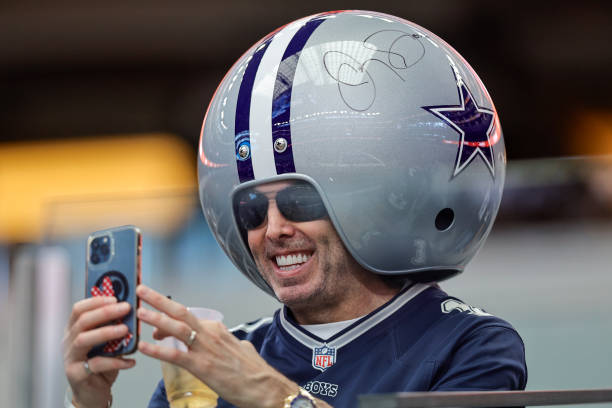
NFL merchandise thrives on strong branding. Each franchise is essentially a global brand with a distinct identity, history, and fan base.
Teams like the Dallas Cowboys and the New England Patriots have built powerful brand identities that translate directly into merchandise sales. Their logos are instantly recognizable, and their success on the field enhances their commercial appeal.
Player branding also plays a crucial role. Star athletes drive jersey sales and influence consumer trends. When a high-profile player changes teams, merchandise sales often surge as fans rush to purchase updated jerseys.
This dynamic highlights how individual performance and personality feed into the broader NFL merchandise ecosystem.
Global Expansion of NFL Merchandise
While the NFL is rooted in the United States, its merchandise strategy has become increasingly global. The league has invested heavily in international marketing, staging games in cities like London and Mexico City to expand its reach.
This global push has opened new markets for NFL merchandise. Fans outside the U.S. now have easier access to official products through digital platforms and international retail partnerships.
The rise of e-commerce has been particularly important. Platforms managed by companies like Fanatics allow fans worldwide to purchase authentic NFL merchandise without geographic limitations.
As a result, NFL merchandise is no longer confined to American audiences. It is a global product with growing international demand.
The Impact of Digital Innovation
Technology has transformed how NFL merchandise is produced and sold. Data analytics now play a major role in predicting consumer behavior and optimizing inventory.
For example, real-time data during games can trigger immediate production of merchandise tied to key moments, such as a record-breaking performance or a playoff-clinching win.
Customization has also become a major trend. Fans can personalize jerseys with their names or favorite players, creating a deeper emotional connection to the product.
In addition, collaborations with gaming platforms and digital products have expanded the definition of merchandise. Partnerships involving franchises like Madden NFL blend physical and digital experiences, further monetizing the NFL brand.
Challenges in the NFL and Sports Merchandise Industry
Despite its success, the NFL merchandise business faces several challenges. Counterfeit products remain a significant issue, particularly in international markets where enforcement can be difficult.
Protecting intellectual property is a constant battle. The league and its partners invest heavily in legal measures to combat unauthorized use of logos and branding.
Another challenge is maintaining relevance. Fashion trends change rapidly, and merchandise must evolve to stay appealing. This has led to collaborations with lifestyle brands and designers to create more stylish, everyday apparel.
Sustainability is also becoming a concern. Consumers are increasingly aware of environmental issues, pushing companies to adopt more sustainable production methods.
Revenue Sharing and Competitive Balance
One unique aspect of NFL merchandise is how revenue is distributed. Unlike many other leagues, the NFL shares a significant portion of its merchandise revenue equally among teams.
This system promotes competitive balance by ensuring that smaller-market teams benefit from overall league success. Even franchises with lower individual sales still receive a share of the collective revenue.
This approach reinforces the NFL’s long-term stability and ensures that all teams remain financially viable.
The Future of NFL Merchandise
The future of NFL merchandise lies in innovation and global growth. Emerging technologies such as augmented reality and virtual experiences could redefine how fans interact with merchandise.
Imagine trying on a jersey virtually or owning digital collectibles tied to real-world performances. These concepts are already being explored and could become mainstream in the coming years.
At the same time, the NFL will continue to expand its international footprint, bringing its merchandise to new audiences and markets.
Final Thoughts on NFL Merchandise
NFL merchandise is far more than a retail business. It is a complex system driven by licensing deals, branding, technology, and global strategy.
From partnerships with giants like Nike and Fanatics to the emotional pull of team loyalty, every element works together to create a powerful commercial ecosystem.
As the league continues to grow, NFL merchandise will remain a cornerstone of its financial success, proving that in modern sports, what happens off the field can be just as important as what happens on it.
