Alexander Zverev has finally achieved the milestone that had long defined his career. After years of near misses, painful defeats, and questions about whether he would ever reach the summit of men’s tennis, Zverev wins the Grand Slam title that had eluded him throughout his professional journey.
The German world number three defeated Italy’s Flavio Cobolli 6-1, 4-6, 6-4, 6-7 (5-7), 6-1 in a dramatic French Open final that tested both players physically and mentally. The victory delivered Zverev’s first major title and ended one of the most discussed narratives in modern tennis.
For a player who had already won Olympic gold, ATP Finals crowns, and multiple Masters 1000 events, the absence of a Grand Slam trophy had remained the biggest gap in an otherwise remarkable career. That gap has now been filled.
Zverev Wins the Grand Slam After Years of Waiting
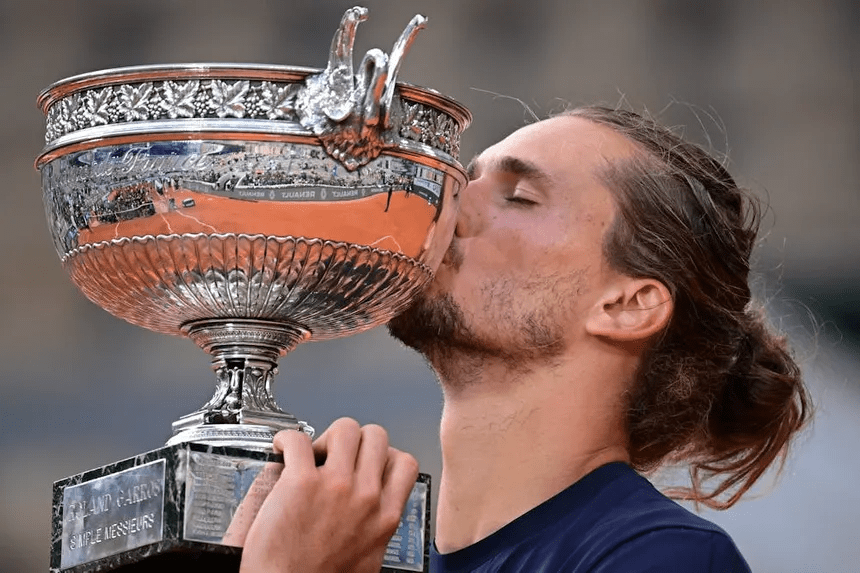
Few players have carried the weight of expectation for as long as Alexander Zverev.
Ever since his emergence as one of tennis’s brightest young talents, experts predicted that Grand Slam success would eventually arrive. His powerful serve, elite movement for his height, and devastating baseline game made him appear destined for major titles.
Yet every time he seemed close to breaking through, something stood in the way.
Whether it was the dominance of Roger Federer, Rafael Nadal, and Novak Djokovic during his early years or the more recent rise of Jannik Sinner and Carlos Alcaraz, the biggest trophies consistently remained just out of reach.
That is why the moment Zverev wins the Grand Slam carries such significance.
This was not simply another tournament victory. It was the culmination of nearly a decade of pressure, expectations, and relentless pursuit.
A French Open Final Filled With Tension and Nerves
The final itself reflected the emotional burden both players carried into the match.
Zverev entered as the favourite following the shock exits of Jannik Sinner and Novak Djokovic, while the injured Carlos Alcaraz was unable to compete in Paris. The path had opened for a new champion, and many believed this represented the German’s best opportunity to claim a major title.
Initially, he looked completely comfortable.
The opening set lasted just 35 minutes as Zverev dominated from the baseline and exposed Cobolli’s nerves. His powerful groundstrokes repeatedly forced errors from the Italian, who struggled to settle into the contest.
However, Grand Slam finals rarely follow a straightforward script.
Cobolli recovered impressively in the second set, breaking serve and levelling the match. Suddenly, the tension that had haunted Zverev during previous major finals began to reappear.
The match evolved into a physical and mental battle that neither player seemed fully comfortable controlling.
When Zverev wins the Grand Slam, it will be remembered not just because of the result, but because of how difficult the journey to the finish line became.
Fourth Set Drama Changed Everything
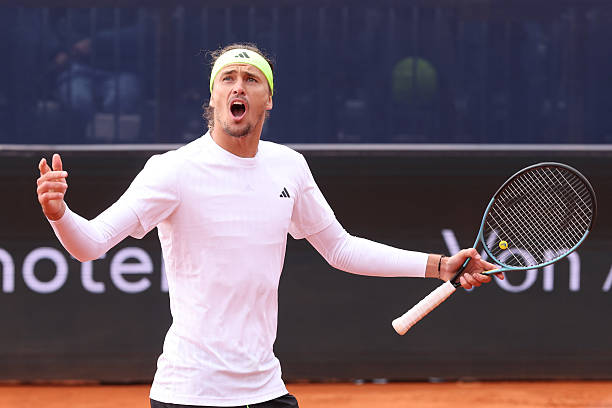
The fourth set produced some of the most dramatic moments of the tournament.
Zverev appeared close to victory several times, only for mistakes and nerves to allow Cobolli back into the match. Double faults arrived at crucial moments, and signs of cramp forced the German to seek additional electrolytes during changeovers.
Cobolli, meanwhile, sensed an opportunity.
The Italian twice held a break advantage and moved within touching distance of forcing a deciding set. Although he failed to serve out the set at 5-4 and squandered a valuable set point in the tie-break, he showed remarkable resilience to eventually level the contest.
The momentum seemed to have shifted.
Questions that had followed Zverev throughout his career resurfaced once again. Would another Grand Slam final slip away?
This time, the answer was different.
The Fifth Set That Changed His Career
Champions are often defined by how they respond under pressure.
After losing the fourth set, Zverev could easily have allowed frustration and doubt to overwhelm him. Instead, he regrouped and produced one of the most important stretches of tennis in his career.
He immediately secured an early break and then added a second to move into a commanding 3-0 lead.
Cobolli continued fighting, but the physical and emotional demands of the match began to take their toll. The Italian’s energy gradually faded as Zverev tightened his grip on the contest.
When the final point arrived and Cobolli sent a smash beyond the baseline, the significance of the moment became instantly clear.
As Zverev wins the Grand Slam, he collapsed backward onto the clay and broke down in tears.
The reaction revealed just how much the achievement meant.
A Historic Moment for German Tennis
The victory also carries significance beyond Zverev’s personal story.
As Zverev wins the Grand Slam and lifts the Coupe des Mousquetaires, he became the first German man to win a Grand Slam singles title since Boris Becker captured the Australian Open in 1996.
German tennis has produced legendary champions throughout history, including Becker and Steffi Graf, but recent decades have lacked a male major champion.
Now, Zverev joins that distinguished group.
His triumph will likely inspire a new generation of German players while cementing his place among the most successful athletes his country has produced.
The fact that Zverev wins the Grand Slam at Roland Garros makes the achievement even more impressive given the demanding nature of clay-court tennis.
Cobolli’s Breakthrough Tournament
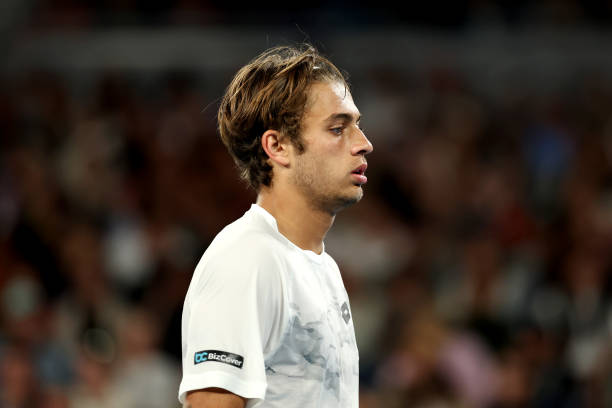
While disappointment naturally accompanies defeat in a Grand Slam final, Flavio Cobolli leaves Paris with enormous positives.
Few expected the Italian to reach the championship match. Many believed Jannik Sinner would be the country’s primary contender, but Cobolli emerged as one of the tournament’s biggest surprises.
His performances throughout the fortnight demonstrated why many observers view him as a future star.
The 24-year-old showcased excellent athleticism, powerful groundstrokes, and a willingness to compete fearlessly against higher-ranked opponents.
Most importantly, he proved capable of performing under the intense pressure of a Grand Slam semifinal and final.
Although he could not prevent the moment when Zverev wins the Grand Slam, Cobolli showed enough quality to suggest that more opportunities will come.
His post-match comments reflected that mindset.
Rather than dwelling on defeat, he described the tournament as only the beginning of a larger journey.
Why This Title Matters for Zverev’s Legacy
Before Paris, discussions about Zverev’s career often focused on what was missing.
His accomplishments were substantial, but the lack of a Grand Slam title created a persistent question mark.
Could he truly be considered among the elite players of his generation without winning one of tennis’s biggest prizes?
That debate is now over.
By finally breaking through, Zverev has strengthened his legacy and removed the one criticism that consistently followed him.
His career achievements now include Olympic gold, ATP Finals success, Masters titles, and a Grand Slam championship.
That collection places him firmly among the most accomplished players of his era.
Zverev Wins the Grand Slam But What Next?
The French Open title could represent the beginning of a new chapter rather than the conclusion of a long story.
For years, the pressure of chasing a first major title appeared to weigh heavily on Zverev. With that burden removed, he may now play with greater freedom and confidence.
The victories of Sinner and Alcaraz have shaped recent men’s tennis, but Zverev wins the Grand Slam at a time when the sport remains highly competitive.
If this breakthrough unlocks a new level of belief, more major titles could follow.
For now, though, the focus remains on a historic achievement in Paris.
After years of waiting, countless expectations, and three previous final defeats, Alexander Zverev finally has the title he always wanted. The French Open champion can now call himself a Grand Slam winner.
