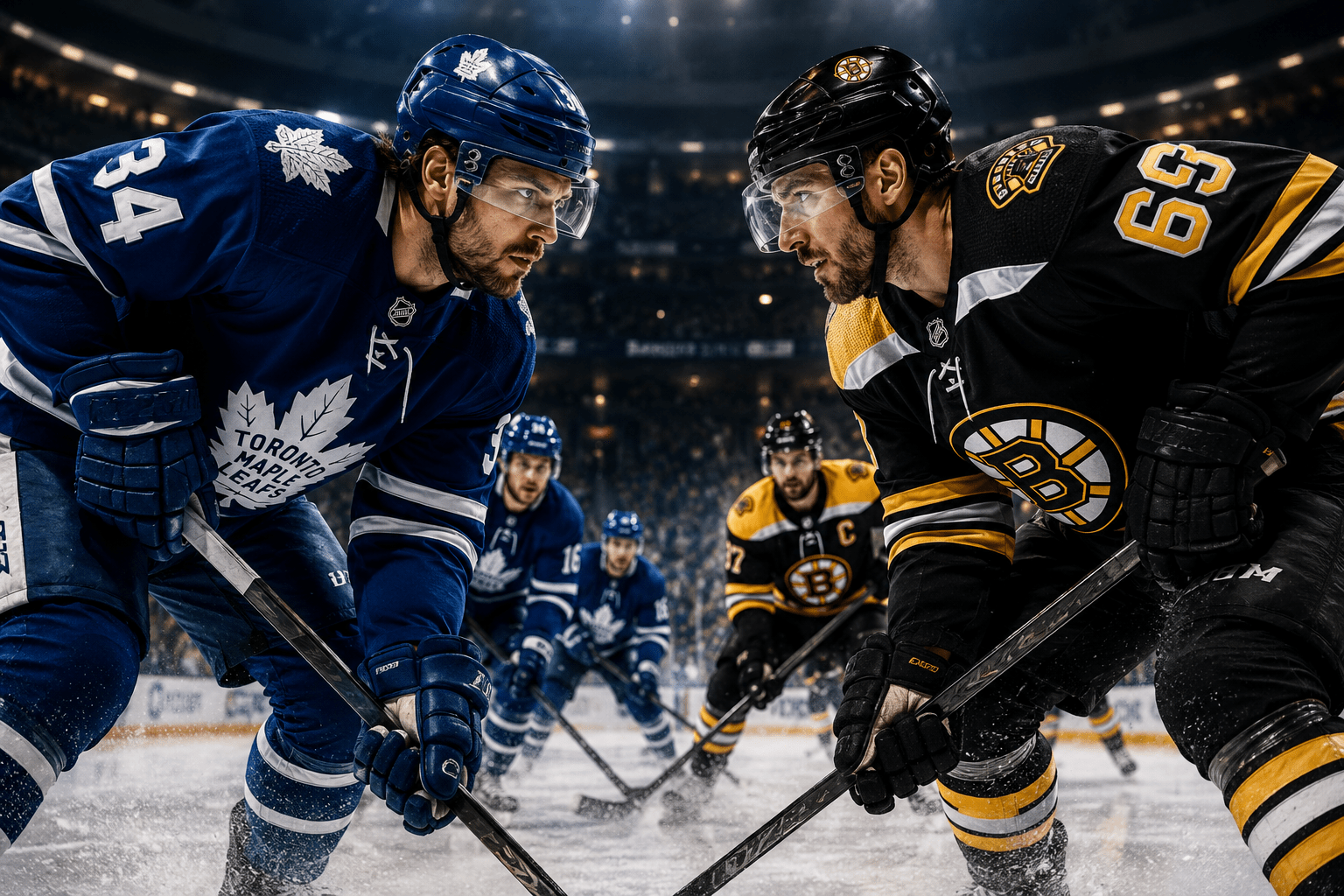
The NHL has always thrived on intensity. Fast skating, physical battles, dramatic overtime goals, and passionate fan bases all combine to make hockey one of the most emotional sports in the world. Yet beyond the trophies and statistics, one factor consistently drives interest in the league more than almost anything else: NHL rivalries.
From historic Original Six clashes to modern playoff feuds, rivalries create the emotional connection that keeps fans invested season after season. They transform ordinary regular-season games into must-watch events and help the league maintain strong fan engagement across generations.
In many ways, NHL rivalries are not just part of hockey culture. They are one of the main reasons the league continues to grow in popularity.
Why Rivalries Matter in Sports
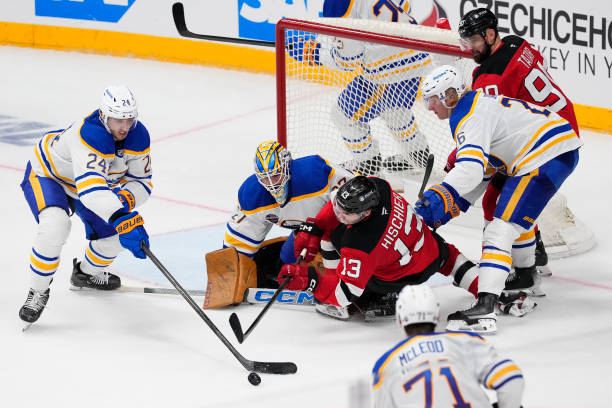
Sports rivalries create emotional stakes that go beyond standings or championships. Fans do not simply want their team to win. They want their rivals to lose.
That emotional investment increases attention, television ratings, ticket demand, and online discussion. Rivalries give fans memorable moments that remain part of sports culture for years.
In the NHL, rivalries are especially powerful because hockey is such a physical and emotional game. The speed of play, constant collisions, and playoff intensity naturally create tension between teams. Over time, repeated battles turn into lasting rivalries that define eras of hockey.
The History Behind NHL Rivalries
Some of the league’s biggest rivalries date back decades. Teams like the Montreal Canadiens and the Toronto Maple Leafs helped establish hockey’s cultural identity in Canada through years of competition.
The rivalry between the Boston Bruins and the Montreal Canadiens is widely considered one of the greatest in NHL history. The hostility between both franchises has existed for generations, fueled by playoff meetings, controversial moments, and contrasting hockey cultures.
These rivalries survive because they are passed down from one generation of fans to another. Parents introduce their children to the same rivalries they grew up watching, creating emotional continuity that strengthens long-term fan engagement.
Playoff Battles Intensify NHL Rivalries
The Stanley Cup Playoffs play a massive role in shaping NHL rivalries. Repeated postseason meetings create emotional scars that regular-season games rarely match.
When teams eliminate each other multiple times over several years, tension naturally grows. Fans remember painful defeats, controversial hits, overtime goals, and heated confrontations.
The rivalry between the Pittsburgh Penguins and the Washington Capitals became one of the NHL’s defining modern rivalries largely because of playoff encounters between Sidney Crosby and Alex Ovechkin.
Their battles gave the NHL star power, narrative drama, and consistent media attention. Fans tuned in not just for hockey, but for the story behind the matchup.
Rivalries Drive Television Ratings and Attendance
One of the clearest impacts of NHL rivalries is financial. Rivalry games consistently attract larger audiences and stronger attendance figures.
Fans are more likely to buy tickets, travel to away games, and watch broadcasts when facing a major rival. Even casual viewers become interested because rivalry games carry emotional weight and unpredictability.
Games between rivals also create stronger atmospheres inside arenas. Louder crowds, more aggressive energy, and heightened tension improve the viewing experience for fans watching both live and on television.
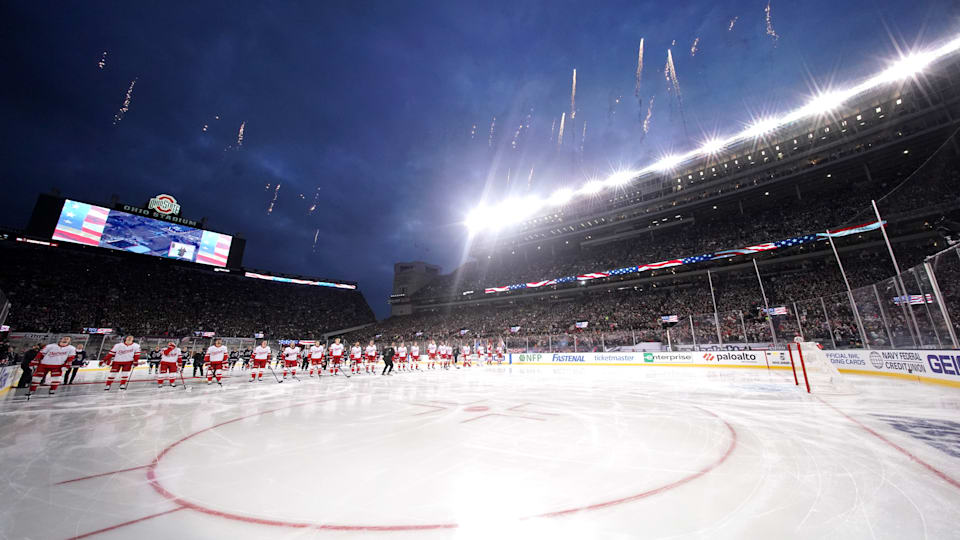
The NHL understands this value and often schedules rivalry matchups during nationally televised windows or special events like the Winter Classic.
Social Media and Modern Fan Engagement
In today’s sports environment, fan engagement extends far beyond the arena. Rivalries dominate conversations across social media platforms, podcasts, and sports media.
Fans debate controversial calls, compare players, share highlights, and revisit old moments that fuel rivalry narratives. This constant interaction helps keep the NHL relevant even between games.
Modern NHL rivalries also generate viral content. Big hits, fights, dramatic goals, and emotional celebrations spread quickly online, attracting younger audiences who consume sports digitally.
The NHL benefits greatly from this emotional engagement because rivalries naturally create content people want to discuss and share.
Star Players Help Build NHL Rivalries
While teams create the foundation, superstar players often elevate rivalries to another level.
The individual competition between elite players gives fans recognizable faces and personalities to follow. Hockey rivalries become easier for global audiences to connect with when they are centered around stars.
The Crosby versus Ovechkin era helped the NHL market itself internationally. More recently, players like Connor McDavid have helped generate new excitement around divisional rivalries.
When star players consistently face each other in meaningful games, the rivalry gains greater visibility and commercial value.
Geography and Cultural Identity
Geography plays a huge role in the strength of NHL rivalries. Teams located close to each other naturally develop stronger competitive relationships because fans interact regularly.
Canadian rivalries are particularly intense because hockey is deeply tied to national identity. Rivalries involving teams like the Edmonton Oilers and the Calgary Flames represent more than hockey games. They reflect regional pride and cultural competition.
In the United States, rivalries also connect with city identity. Fans see victories over rivals as statements about their city, community, and sports culture.
This emotional connection helps deepen loyalty to both the team and the league itself.
Rivalries Help NHL Fan Engagement
One underrated aspect of NHL rivalries is their ability to attract casual fans.
A neutral viewer may not watch every regular-season game, but rivalry matchups feel important even to outsiders. The energy, emotion, and history create entertainment value beyond technical hockey analysis.
This is especially important for league growth in newer hockey markets. Rivalries give fans clear narratives and emotional entry points into the sport.
Once fans become emotionally invested in rivalry games, they are more likely to follow teams throughout the season.
The Business Value of NHL Rivalries
From a business perspective, NHL rivalries are extremely valuable assets.
Merchandise sales often increase around rivalry games. Ticket prices rise. Television networks prioritize major rivalries because they generate stronger viewership.
Sponsors also benefit because rivalry games attract higher engagement and social media interaction. This makes rivalries important not just for competitive reasons, but also for the league’s financial growth.
The NHL’s marketing strategy increasingly highlights these emotional matchups because they consistently generate attention and revenue.
The Future of NHL Rivalries
As the NHL continues to expand globally, rivalries will remain central to maintaining fan engagement.
New stars, playoff clashes, and divisional changes will create fresh rivalries over time. At the same time, historic rivalries will continue to anchor the league’s identity.
The challenge for the NHL is balancing tradition with modern entertainment. Rivalries offer the perfect solution because they connect hockey’s history with the fast-paced media environment of today.
No matter how much the sport evolves, fans will always respond to emotion, competition, and history.
NHL Popularity Growth
NHL rivalries are one of the driving forces behind the league’s popularity. They create emotional investment, fuel fan engagement, increase viewership, and strengthen the cultural identity of hockey.
Whether it is a historic Original Six battle or a modern playoff feud, rivalries give the NHL something every successful sports league needs: emotional meaning.
Fans may celebrate championships, but rivalries are what keep them emotionally connected year after year. In the NHL, few things shape the league’s popularity more powerfully than the intensity of its greatest rivalries.

1 comment
çok yararlı bir paylaşım olmuş teşekkür ederim çok işime yarıcak.