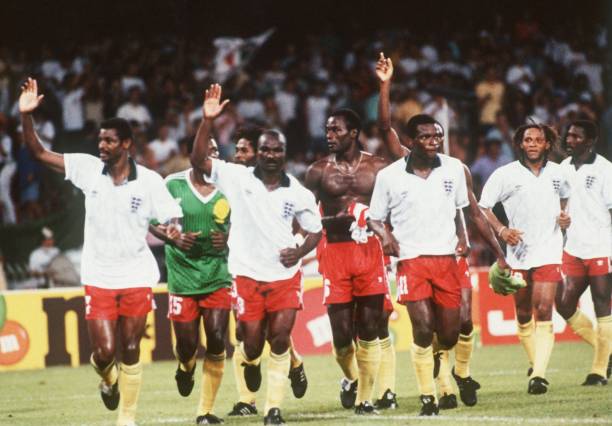
The FIFA World Cup has always been the grandest stage in football, where legends are created, underdogs become heroes, and nations etch their names into sporting history. While African countries have yet to lift the famous trophy, the continent has repeatedly produced unforgettable campaigns that challenged football’s established order, shattered long-held stereotypes, and proved that African football belongs among the world’s elite.
The Greatest African World Cup Performances are not measured solely by how far teams progressed in the tournament, but also by the courage they displayed, the giants they defeated, and the lasting impact they had on global football. From Morocco’s historic semi-final run to Cameroon’s fearless exploits in Italy and Ghana’s heartbreaking near miss in South Africa, African teams have consistently delivered moments that continue to inspire millions.
Greatest African World Cup Performances Began with Cameroon in 1990
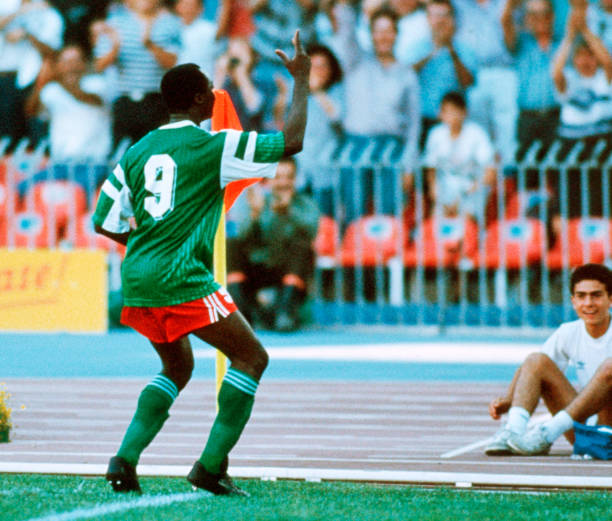
When Cameroon arrived at the 1990 FIFA World Cup in Italy, few expected the Indomitable Lions to survive a difficult group that included defending champions Argentina, Romania, and the Soviet Union. Instead, they announced themselves in spectacular fashion by defeating Diego Maradona’s Argentina 1-0 in the tournament’s opening match, sending shockwaves throughout world football.
Led by the charismatic Roger Milla, who came out of international retirement to inspire his country, Cameroon played with remarkable belief and resilience. Milla’s iconic corner-flag dance became one of the tournament’s defining images after he scored crucial goals against Romania and Colombia, while his performances at the age of 38 captured the imagination of football fans across the globe.
Cameroon eventually reached the quarter-finals before losing 3-2 after extra time to England, becoming the first African nation to reach that stage of the FIFA World Cup. Although their journey ended in heartbreak, their campaign forever changed how the world viewed African teams at the World Cup, proving they could compete with football’s traditional superpowers.
Senegal’s Stunning Debut in 2002
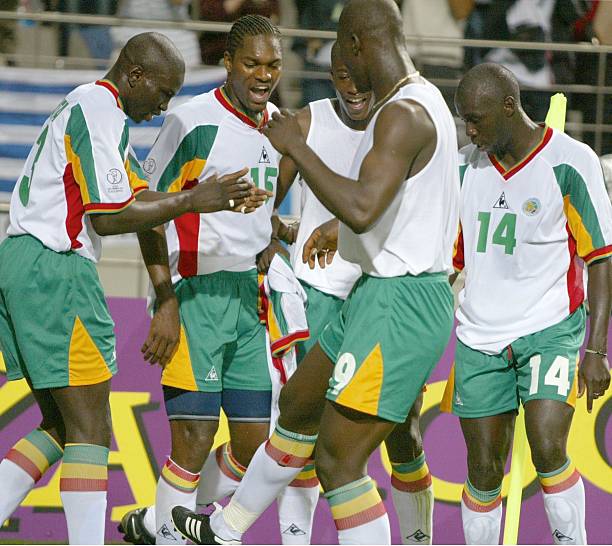
Few debut appearances have been as remarkable as Senegal’s campaign at the 2002 FIFA World Cup in South Korea and Japan, where Bruno Metsu’s side combined discipline, athleticism, and fearless attacking football to become one of the tournament’s biggest stories.
Their adventure began with another unforgettable upset as Papa Bouba Diop’s goal secured a famous 1-0 victory over reigning champions France, who featured many of the stars that had lifted both the World Cup and European Championship only a few years earlier.
That victory was no accident because Senegal continued to impress throughout the competition, advancing from a challenging group before defeating Sweden in the Round of 16 through Henri Camara’s dramatic golden goal.
Only Turkey prevented Senegal from becoming Africa’s first semi-finalists, yet their quarter-final appearance joined Cameroon’s achievement among the Greatest African World Cup Performances, while further strengthening the reputation of African teams at the World Cup as dangerous opponents capable of upsetting football’s established hierarchy.
Ghana Came Within Inches of History in 2010
If one campaign embodies both hope and heartbreak, it is Ghana’s unforgettable run at the 2010 FIFA World Cup, which was hosted on African soil for the first time.
Carrying the expectations of an entire continent after the elimination of every other African representative, the Black Stars embraced the enormous pressure with remarkable maturity. They defeated the United States in the Round of 16 before setting up a quarter-final clash with Uruguay that has become one of the most dramatic matches in World Cup history.
As extra time approached its conclusion, Dominic Adiyiah’s goal-bound header was deliberately handled on the line by Luis Suárez, who received a red card while Ghana were awarded a penalty that would almost certainly have sent them into the semi-finals.
Asamoah Gyan’s penalty struck the crossbar, and although Ghana pushed Uruguay to a penalty shootout, they ultimately suffered a devastating defeat.
Despite the painful ending, Ghana’s extraordinary journey remains one of the Greatest African World Cup Performances because they came closer than any previous African nation to reaching the semi-finals, while demonstrating the quality, resilience, and ambition that continue to define African teams at the World Cup.
Morocco Rewrote History in Qatar 2022
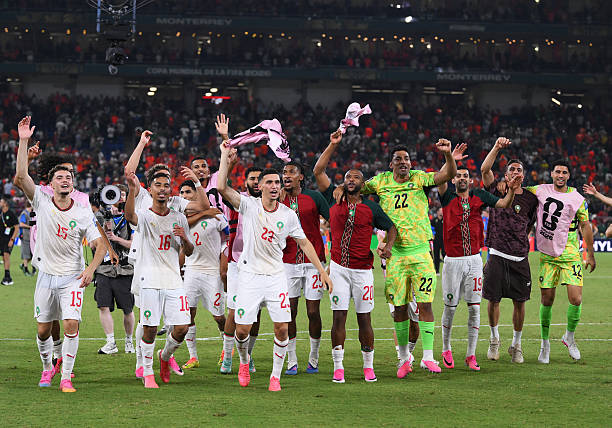
No African nation has enjoyed a more successful FIFA World Cup campaign than Morocco, whose astonishing run to the semi-finals in Qatar 2022 finally broke the continental barrier that had stood for decades.
Under Walid Regragui, Morocco combined tactical discipline with outstanding defensive organization and devastating counter-attacking football, producing performances that stunned some of Europe’s strongest sides.
They topped a difficult group containing Croatia and Belgium before eliminating Spain on penalties in the Round of 16 and overcoming Portugal in the quarter-finals through Youssef En-Nesyri’s decisive header.
By becoming the first African and first Arab nation to reach the semi-finals, Morocco achieved what many had believed impossible for decades.
Although France eventually ended their remarkable journey before Croatia claimed third place, Morocco’s campaign immediately earned its place among the Greatest African World Cup Performances, inspiring a new generation of players and supporters throughout the continent.
Their success also demonstrated how far African teams at the World Cup had progressed tactically, technically, and mentally.
Nigeria’s Entertaining Rise on the Global Stage
Nigeria has produced several memorable appearances at the FIFA World Cup, particularly during the 1994 and 1998 tournaments, where the Super Eagles established themselves as one of Africa’s most exciting footballing nations.
Making their tournament debut in the United States in 1994, Nigeria won a difficult group featuring Argentina, Bulgaria, and Greece through fearless attacking football and exceptional technical quality. Although they were eliminated by Italy after extra time in the Round of 16, they left the competition having earned widespread admiration.
Four years later in France, Nigeria repeated the feat by defeating Spain in one of the greatest World Cup upsets before once again advancing to the knockout rounds.
While Nigeria never matched the quarter-final achievements of Cameroon, Senegal, or Ghana, their consistency helped reinforce the growing reputation of African teams at the World Cup, while their exciting style contributed significantly to the continent’s football identity.
Why These Greatest African World Cup Performances Changed African Football Forever
The Greatest African World Cup Performances represent far more than memorable tournament runs because each campaign challenged outdated perceptions about African football while encouraging greater investment in coaching, youth development, and tactical evolution across the continent.
These achievements demonstrated that African nations possess not only extraordinary athleticism but also the tactical intelligence, technical quality, and mental resilience required to compete against the world’s very best teams. Every historic victory inspired young footballers across Africa to dream bigger, while convincing clubs around the world to place greater trust in African talent.
As each tournament passes, expectations surrounding African teams at the World Cup continue to rise because previous generations have repeatedly proven that success on football’s biggest stage is not beyond reach.
Although the ultimate prize remains elusive, the legacy of these remarkable campaigns continues to grow, and with the rapid development of football across the continent, it may only be a matter of time before an African nation not only produces another of the Greatest African World Cup Performances but finally lifts the FIFA World Cup itself.

1 comment
[…] Argentina Break England Hearts to… 76ers New Big 3 Dangerous, Kevin Durant Warns… The Greatest African World Cup Performances That Inspired… France v Spain: La Roja Stun France to… Official: Arsenal Agree Fee for Trossard Transfer […]