The FIFA World Cup has delivered countless unforgettable moments, from dramatic penalty shootouts to stunning comebacks and spectacular individual performances. Yet few events capture the attention of players and supporters quite like a goal scored within the opening moments of a match. An early strike instantly transforms the contest, forcing tactical adjustments, raising emotions, and creating memories that endure for generations.
The fastest goals in World Cup history have often changed the course of important matches before many supporters have even settled into their seats. Some came from meticulous planning, others from defensive mistakes, while a few resulted from moments of pure brilliance that left opponents stunned. Regardless of how they were scored, these lightning-fast goals have earned a permanent place in World Cup history.
Hakan Şükür Holds the Record for the Fastest Goals in World Cup History
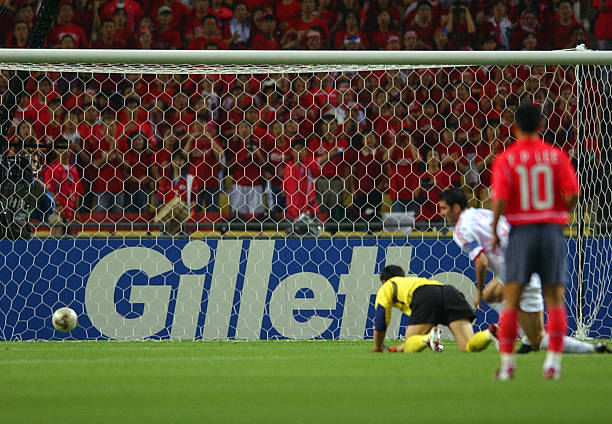
No discussion of the fastest goals in World Cup history can begin anywhere other than with Turkey’s Hakan Şükür, whose astonishing strike against South Korea at the 2002 FIFA World Cup remains unmatched.
Competing in the third-place play-off, Turkey wasted no time asserting themselves as Şükür capitalized on a defensive error to score after just 10.8 seconds, setting a record that still stands more than two decades later.
The goal arrived after South Korea lost possession almost immediately from kick-off, allowing İlhan Mansız to force an error before Şükür calmly finished beyond the goalkeeper.
Turkey eventually won the match 3-2 to secure third place, but Şükür’s remarkable opener remains the defining moment of the contest and continues to top every list of the fastest World Cup goals.
Václav Mašek Announced Himself in 1962
Before Şükür rewrote the record books, Czechoslovakia’s Václav Mašek held the distinction of scoring one of the quickest goals in World Cup history.
During the 1962 tournament in Chile, Mašek found the net against Mexico after approximately 16 seconds, giving his side the perfect start in a match they would eventually win 3-1.
For four decades, his effort represented the benchmark for rapid scoring on football’s biggest stage before Turkey’s record-breaking strike arrived in 2002.
Although newer generations are less familiar with Mašek’s achievement, it remains one of the earliest examples of how quickly momentum can shift at the FIFA World Cup.
Ernst Lehner’s Early Strike in 1934
Germany’s Ernst Lehner produced another landmark moment among the fastest goals in World Cup history during the 1934 tournament in Italy.
Facing Austria in the third-place play-off, Lehner scored after just 25 seconds, giving Germany an immediate advantage in a match they ultimately won 3-2.
Considering the tactical style of football during the 1930s, such an explosive start was exceptionally unusual and demonstrated that early goals have influenced World Cup matches since the competition’s earliest years.
Lehner’s achievement stood among the quickest goals ever scored for decades and continues to feature prominently in discussions of rapid World Cup strikes.
Bryan Robson Gave England a Dream Start in 1982
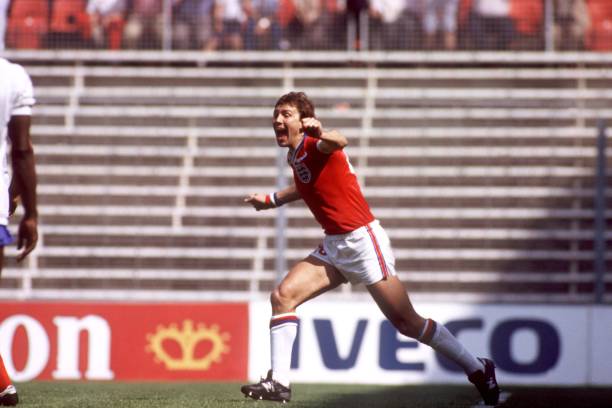
England captain Bryan Robson delivered one of the nation’s most memorable World Cup moments when he scored after just 27 seconds against France at the 1982 FIFA World Cup in Spain.
Receiving possession just outside the penalty area, Robson drove forward confidently before firing a powerful low finish into the corner to give England an immediate lead.
Although the match eventually finished 3-1 in England’s favour, Robson’s goal became one of the defining images of the tournament and remains one of the fastest World Cup goals ever recorded.
For English supporters, it remains one of the finest starts their national team has ever produced on football’s biggest stage.
Clint Dempsey Shocked Ghana in 2014
The 2014 FIFA World Cup produced another unforgettable addition to the fastest goals in World Cup history when United States captain Clint Dempsey scored after only 29 seconds against Ghana.
The experienced forward collected the ball on the left side before weaving through defenders and calmly finishing past goalkeeper Fatau Dauda to give the Americans an early lead.
Although Ghana fought back to equalize late in the match, substitute John Brooks headed home the winner shortly afterwards to secure a dramatic 2-1 victory for the United States.
Dempsey’s goal remains the quickest ever scored by an American player at the FIFA World Cup.
Bernard Lacombe Made French History
France’s Bernard Lacombe also secured his place in World Cup history with a brilliantly timed goal against Italy during the 1978 tournament in Argentina.
Lacombe needed only 31 seconds to put France ahead, capitalizing on swift attacking play that caught the Italian defense completely unprepared.
Although France ultimately lost the match 2-1, Lacombe’s strike remains one of the most celebrated early goals in French football history and continues to rank among the fastest World Cup goals ever scored.
His achievement demonstrated that even an unforgettable individual moment cannot always guarantee victory.
What Makes Early World Cup Goals So Devastating?
The fastest goals in World Cup history are memorable not simply because of their timing but because of the enormous tactical consequences they create.
An early goal immediately alters the psychological balance of a match, forcing the team that concedes to abandon carefully prepared game plans much earlier than anticipated. Coaches often spend months developing strategies for major tournaments, yet those plans can unravel within seconds if an opponent scores almost immediately.
Meanwhile, the scoring team gains confidence, allowing players to settle into the contest while inviting opponents to take greater risks in search of an equalizer.
These rapid goals frequently produce more open, entertaining matches because the trailing side has little choice but to attack.
Why The Fastest Goals in World Cup History Continue to Fascinate Football Fans
Supporters remain captivated by the fastest goals in World Cup history because they represent the unpredictability that makes football unique.
Unlike many sporting records that are regularly broken, scoring within the opening seconds of a World Cup match requires an extraordinary combination of preparation, opportunity, composure, and often a degree of fortune. Defensive concentration is usually highest immediately after kick-off, making these goals remarkably difficult to achieve.
Every new FIFA World Cup begins with speculation about whether Hakan Şükür’s astonishing 10.8-second record will finally fall, yet year after year it continues to survive.
As tactics evolve and teams become increasingly organized, breaking that remarkable milestone may become even more difficult.
Nevertheless, football has consistently shown that extraordinary moments can emerge without warning, which is precisely why the fastest goals in World Cup history continue to fascinate generations of supporters. Whether scored through relentless pressing, individual brilliance, or an unexpected defensive mistake, these lightning-fast strikes remind the world that at the FIFA World Cup, history can be written before the opening minute has even expired.

1 comment
[…] Deal After Manchester United… Szoboszlai Signs New Liverpool Deal as Midfielder Commits… The Fastest Goals in World Cup History Breaking: NBA Investigating Bucks Over Gary Trent Jr.’s… Why the World Cup Third-Place […]