The FIFA World Cup is remembered for unforgettable goals, legendary players, and historic triumphs, but it has also produced some of the most recognizable shirts ever worn on a football pitch. Long after the final whistle has blown, certain jerseys continue to evoke memories of breathtaking performances, emotional victories, and defining moments that shaped the history of the sport.
The most iconic World Cup jerseys are more than beautifully designed pieces of fabric because they represent national pride, unforgettable tournaments, and generations of football supporters who associate them with moments of joy, heartbreak, and sporting greatness. While fashion trends have changed dramatically over the decades, these classic kits remain timeless symbols of football’s biggest stage.
Brazil’s 1970 Jersey Became Football’s Gold Standard
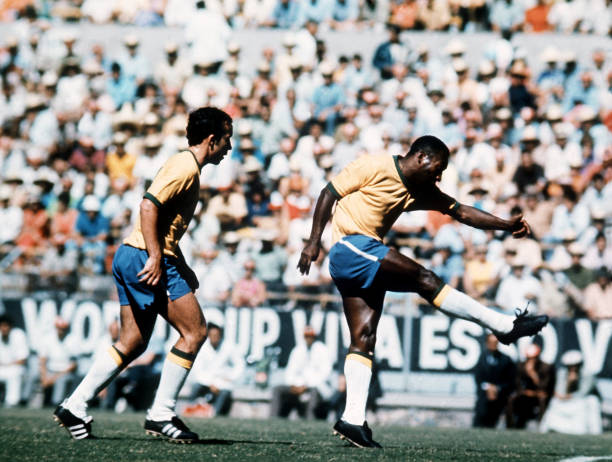
When people think of iconic World Cup jerseys, Brazil’s vibrant yellow shirt from the 1970 FIFA World Cup is often the first image that comes to mind.
Worn by Pelé, Jairzinho, Carlos Alberto, Rivellino, and Tostão, the famous yellow jersey became inseparable from what many still consider the greatest international team ever assembled. Brazil dazzled the world in Mexico with an attacking style that combined creativity, technical brilliance, and effortless flair, culminating in a memorable victory over Italy in the final.
The simplicity of the design, featuring the bright yellow body, green trim, blue shorts, and white socks, created a visual identity that has remained virtually unchanged for decades. Every spectacular goal and every flowing move made that shirt even more legendary.
Among all iconic football kits, few have achieved the universal admiration enjoyed by Brazil’s 1970 masterpiece.
Argentina’s 1986 Shirt Became the Jersey of Legends
Some shirts become legendary because of the player wearing them, and Argentina’s blue-and-white striped jersey from the 1986 FIFA World Cup owes much of its immortal status to Diego Maradona.
During that tournament in Mexico, Maradona produced arguably the greatest individual World Cup campaign in football history. His performances included both the infamous “Hand of God” goal and the breathtaking solo effort against England, widely regarded as the greatest goal ever scored in the competition.
As Argentina lifted the trophy, their traditional striped shirt became forever associated with brilliance, controversy, leadership, and genius.
Today, collectors continue searching for authentic versions because it remains one of the most iconic World Cup jerseys ever produced.
The Netherlands 1974 Kit Perfectly Matched Total Football
Although the Netherlands did not win the tournament, their bright orange shirt from the 1974 FIFA World Cup remains one of football’s most celebrated designs.
Led by Johan Cruyff and inspired by Rinus Michels’ revolutionary Total Football philosophy, the Dutch captivated supporters through intelligent movement and breathtaking attacking football. Their striking orange jersey became the perfect visual representation of a team willing to challenge football’s traditional ideas.
Cruyff’s famous version, featuring only two Adidas stripes because of his sponsorship agreement with Puma, has become particularly valuable among football memorabilia collectors.
Few iconic football kits have become so closely connected to a tactical revolution.
Nigeria’s 1994 Debut Kit Captured African Football’s Spirit
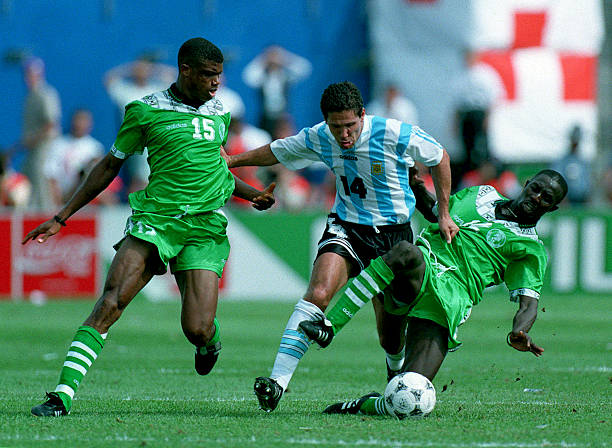
Nigeria announced themselves on football’s biggest stage during the 1994 FIFA World Cup, and their green jersey quickly became one of the competition’s most recognizable shirts.
The Super Eagles played exciting, fearless football while defeating Bulgaria and Greece before narrowly losing to Italy in the Round of 16. Their vibrant green design reflected the confidence and energy of a generation that transformed perceptions of African football.
Although later Nigerian designs have enjoyed enormous commercial success, the 1994 shirt retains enormous historical significance because it introduced millions of supporters to one of Africa’s most exciting footballing nations.
Among African football supporters, it remains one of the continent’s most iconic World Cup jerseys.
France’s 1998 Home Shirt Symbolized a New Era
France entered the 1998 FIFA World Cup carrying enormous expectations as tournament hosts, and their elegant blue home jersey became forever associated with national glory.
Featuring clean white and red accents that reflected the French flag, the shirt perfectly complemented a team built around Zinedine Zidane, Didier Deschamps, Lilian Thuram, Marcel Desailly, and Thierry Henry.
Zidane’s two headed goals against Brazil in the final secured France’s first World Cup title, ensuring that the jersey would forever occupy a special place in football history.
Its minimalist design has aged remarkably well, making it one of the most admired iconic football kits of the modern era.
Italy’s 1982 Shirt Represented Timeless Elegance
Italy has rarely produced an unattractive football shirt, yet the royal blue jersey worn during the 1982 FIFA World Cup stands above the rest.
The Azzurri overcame a difficult start before embarking on one of the tournament’s greatest championship runs, defeating Brazil, Poland, and West Germany as Paolo Rossi inspired the nation with his extraordinary goalscoring exploits.
The shirt’s understated design reflected Italian elegance, proving that simplicity often creates the strongest visual identity.
Decades later, it continues to appear on lists celebrating the finest iconic World Cup jerseys.
Germany’s 1990 Shirt Combined Tradition with Innovation
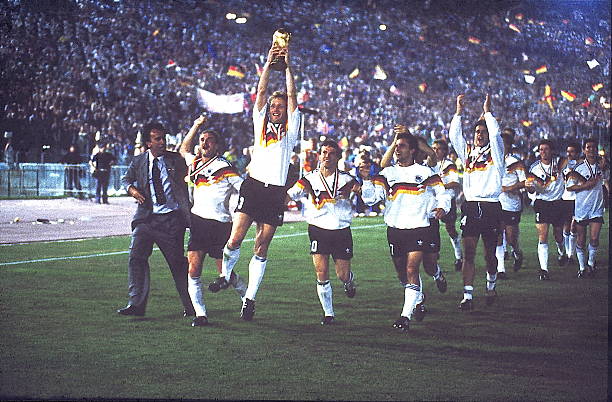
Germany’s victory at the 1990 FIFA World Cup introduced one of football’s most distinctive jersey designs.
The predominantly white shirt featured bold black, red, and gold geometric graphics across the chest, creating a modern appearance that perfectly represented the country’s national colours without abandoning its traditional identity.
Lothar Matthäus captained West Germany to the title while wearing the famous design, and its unique pattern has inspired numerous modern reinterpretations.
Few iconic football kits demonstrate how innovation can complement tradition so successfully.
Croatia’s 1998 Checkered Masterpiece Became Instantly Recognizable
Croatia had only recently emerged as an independent football nation when they arrived at the 1998 FIFA World Cup, yet their red-and-white checkered shirt immediately became one of the sport’s most distinctive designs.
Powered by Davor Šuker, Croatia reached the semi-finals in their tournament debut, while their unforgettable jersey attracted admiration from supporters across the world.
Unlike many national kits that rely upon subtle details, Croatia embraced a bold visual identity that remains instantly recognizable today.
The design continues to rank among football’s most original iconic World Cup jerseys.
England’s 1966 Shirt Became a Symbol of National Glory
England’s plain red away shirt from the 1966 FIFA World Cup may appear modest compared to many modern designs, yet its historical significance is unmatched in English football.
It was while wearing this jersey that Bobby Charlton, Geoff Hurst, Martin Peters, Gordon Banks, and captain Bobby Moore secured England’s only men’s World Cup triumph.
Hurst’s famous hat-trick against West Germany forever elevated the shirt into football folklore, ensuring that its simplicity would never diminish its legendary status.
Sometimes history creates greatness more effectively than elaborate design.
Why These Iconic World Cup Jerseys Continue to Inspire Football Fans
The greatest iconic World Cup jerseys have endured because they represent far more than successful clothing designs. Every shirt carries stories of unforgettable victories, legendary players, emotional celebrations, and defining moments that continue to unite generations of supporters.
The FIFA World Cup consistently provides football’s biggest stage, and the jerseys worn during those tournaments inevitably become symbols of national identity and sporting excellence. Whether it is Brazil’s golden brilliance, Argentina’s famous stripes, the Netherlands’ vibrant orange, or Croatia’s unforgettable checks, each design has earned its place through performances that transcended fashion.
As manufacturers continue introducing increasingly sophisticated technology and modern aesthetics, these timeless iconic football kits remain enduring reminders that the most memorable jerseys are not simply those that look beautiful, but those that become inseparable from football history itself.
