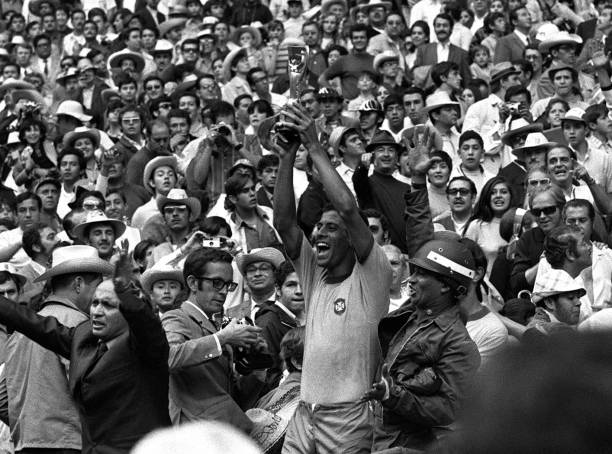
Football has never been kind to kings. The moment a nation lifts the FIFA World Cup trophy, the celebration begins, but so does the countdown to its next examination. Every champion enters the next tournament believing it has the talent, experience, and winning mentality to remain on the throne. History, however, has repeatedly delivered the same harsh verdict: becoming champions is extraordinarily difficult, but defending the World Cup is even harder.
Across nearly a century of World Cup history, dozens of outstanding teams have conquered the sport’s biggest stage. Many of those sides appeared capable of building dynasties that would dominate for years. Yet the tournament has consistently humbled reigning champions, exposing how quickly football evolves and how unforgiving the smallest margins can become.
The story of defending the World Cup is therefore not simply about talent. It is a story of expectation, pressure, tactical evolution, ageing squads, and hungry challengers who spend four years studying every weakness of the champions.
Defending the World Cup Is Historically Rare
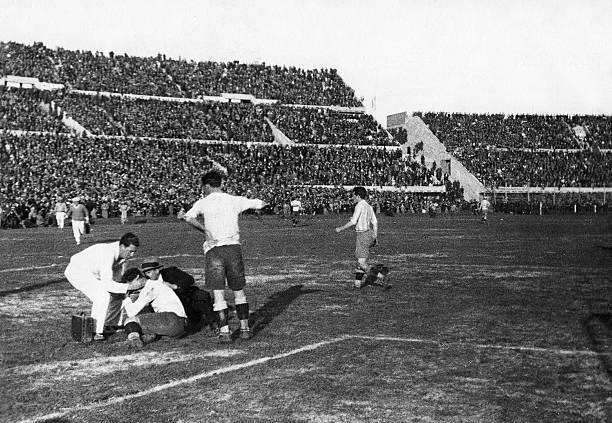
Perhaps the simplest way to understand how difficult defending the World Cup truly is is by looking at the numbers.
Since the inaugural FIFA World Cup in 1930, only two nations have successfully defended the World Cup title.
Italy became the first nation to do so by winning the tournaments in 1934 and 1938, while Brazil achieved the feat after lifting consecutive trophies in 1958 and 1962.
Every other reigning champion has eventually surrendered the crown.
That remarkable statistic explains why discussions about defending World Cup champions often focus more on failure than success. Some holders have reached the latter stages before falling short, while others have suffered astonishing early exits that stunned the footballing world.
The World Cup has consistently demonstrated that every tournament writes its own story, regardless of what happened four years earlier.
How Many Country Has Defended the World Cup?
One question frequently searched by football fans is how many country has defended the World Cup. The answer remains remarkably simple.
Only Italy and Brazil have successfully won consecutive FIFA World Cup titles.
Italy achieved back-to-back triumphs in 1934 and 1938 under Vittorio Pozzo, building one of the earliest great international football dynasties. Twenty years later, Brazil repeated the accomplishment by winning the 1958 tournament in Sweden before retaining the trophy in Chile in 1962, even overcoming Pelé’s injury during the second campaign thanks to the brilliance of Garrincha and an exceptional supporting cast.
Every champion since then has failed to repeat the feat.
West Germany, Argentina, France, Spain, Germany, and the other great World Cup winners all discovered that returning to the summit proved far more difficult than reaching it the first time.
Champions Become Every Opponent’s Biggest Target

One reason defending the World Cup is so demanding is that champions lose the element of surprise.
Before winning the tournament, teams often arrive with an element of unpredictability. Opponents may know their strengths, but there is still uncertainty surrounding how they will perform under pressure.
Once a country becomes champion, that uncertainty disappears.
Every national team spends the next four years analysing the reigning champions in extraordinary detail. Coaches study tactical patterns, identify weaknesses, and develop strategies specifically designed to neutralise the title holders.
The champions no longer enter matches as outsiders or equals. They become the benchmark every opponent wants to defeat.
Victories over reigning World Cup winners carry enormous prestige, ensuring every opponent approaches those fixtures with maximum motivation.
Success Often Brings Complacency
Winning the World Cup changes players in ways that are not always visible.
After reaching football’s highest peak, maintaining the same hunger becomes an enormous psychological challenge. While elite athletes remain fiercely competitive, recreating the desperation that fuelled their original triumph is never easy.
Meanwhile, their rivals possess exactly the motivation the champions may struggle to rediscover.
Every challenger enters the tournament believing it can make history by dethroning the reigning champions. That imbalance in motivation can become decisive during closely contested matches where concentration, intensity, and resilience determine the outcome.
Many defending World Cup champions have admitted that repeating the emotional intensity required to win successive tournaments proved almost impossible.
Four Years Changes Everything
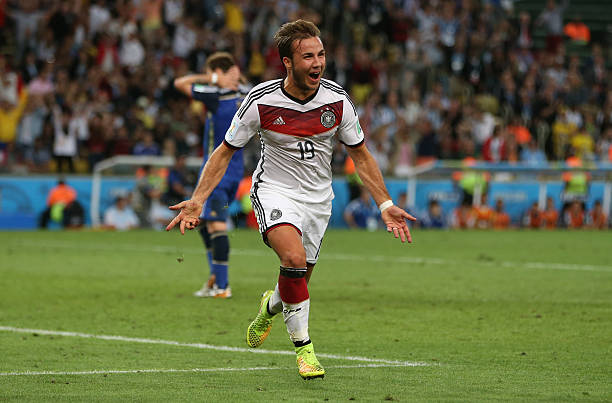
Unlike domestic leagues that begin again every season, the World Cup arrives only once every four years.
That lengthy gap transforms football dramatically.
Young stars emerge, experienced players decline, managers change, tactical innovations reshape the game, and injuries alter careers forever.
The squad that lifted the trophy often looks very different by the time the next tournament begins.
Some players retire from international football, while others lose form or struggle with injuries. Even when the core remains intact, ageing naturally reduces the physical intensity that previously made the team so dominant.
At the same time, rival nations are constantly improving.
Emerging generations view the reigning champions as the standard they must surpass, ensuring every tournament introduces fresh challengers capable of upsetting established powers.
Tactical Evolution Never Stops
Modern football evolves faster than ever before. Systems that dominate one World Cup can become outdated by the next as coaches continuously develop new tactical approaches.
The reigning champions therefore face another challenge while defending the World Cup: adapting without losing the qualities that originally made them successful.
Spain’s possession football conquered the world in 2010, but opponents gradually developed more effective methods of disrupting their rhythm. Germany’s dynamic attacking style triumphed in 2014 before tactical evolution across Europe narrowed the advantages they previously enjoyed.
Football constantly rewards innovation, meaning yesterday’s revolutionary ideas often become today’s predictable patterns.
The Weight of Expectation Can Become a Burden
Pressure affects every team, but reigning champions carry a unique psychological burden.
Every press conference, every training session, and every performance is judged against the standard established four years earlier.
A draw suddenly becomes evidence of decline. A narrow victory invites criticism rather than celebration. One poor performance creates headlines questioning whether the champions are already finished.
The players themselves also recognize what history demands. They know that successfully defending the World Cup would place them among the greatest teams football has ever seen, but that knowledge often creates additional anxiety rather than confidence.
Playing freely becomes increasingly difficult when every mistake feels capable of ending a nation’s reign.
History Is Filled with Early Exits
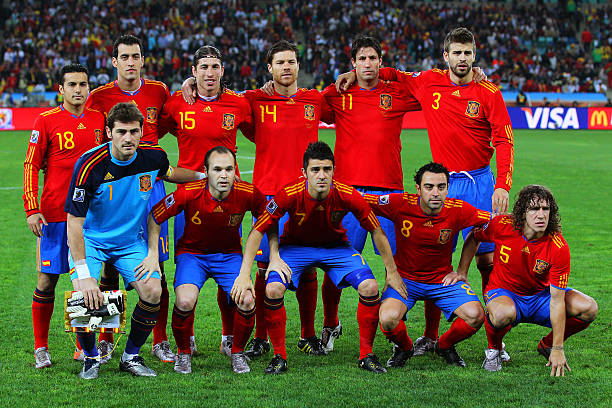
Several reigning champions have not merely failed to retain their titles but have suffered dramatic collapses.
France won the World Cup in 1998 before exiting in the group stage without scoring a goal in 2002.
Italy lifted the trophy in 2006 only to suffer consecutive group-stage eliminations in 2010 and 2014.
Spain entered the 2014 tournament as defending champions after revolutionising international football, yet they were eliminated after only two matches following heavy defeat to the Netherlands and a loss against Chile.
Germany endured a similarly shocking exit in 2018 after winning the World Cup four years earlier in Brazil.
These examples illustrate that even exceptional World Cup winners can experience dramatic declines once they become the team everyone wants to defeat.
Brazil and Italy Remain the Standard
The achievements of Italy and Brazil become even more extraordinary when viewed through the lens of modern football.
Italy’s consecutive triumphs in the 1930s established the first true international football dynasty, while Brazil’s back-to-back victories in 1958 and 1962 showcased a generation overflowing with world-class talent.
Brazil’s accomplishment appears particularly remarkable because they retained the trophy despite Pelé missing much of the 1962 tournament through injury. Garrincha stepped forward to inspire the Seleção, demonstrating the depth that often separates truly legendary teams from ordinary champions.
Their success continues to define discussions surrounding how many country has defended the World Cup, because no nation has managed to join them for more than six decades.
Could Another Nation Defend the World Cup?
Football has become increasingly competitive, making consecutive triumphs arguably harder than ever.
Elite players are now spread across dozens of nations rather than concentrated within a handful of traditional powers. Advances in coaching, sports science, tactical analysis, and player development have significantly narrowed the gap between favourites and outsiders.
Yet history also teaches that records eventually fall.
Every new generation produces exceptional teams capable of challenging long-standing assumptions. Whether Argentina, Spain, France, Brazil, England, or another emerging power eventually succeeds in defending the World Cup, the achievement would instantly rank among the greatest accomplishments in football history.
Why Defending the World Cup Remains Football’s Ultimate Test
Winning the FIFA World Cup requires talent, preparation, resilience, and a measure of fortune. Defending the World Cup demands all those qualities again while adding overwhelming expectation, relentless scrutiny, tactical adaptation, and the challenge of staying ahead of rivals who have spent four years preparing to dethrone you.
That is why only Italy and Brazil have successfully completed the journey. It is why so many celebrated defending World Cup champions have stumbled long before the final. And it is why every new champion quickly discovers that lifting the trophy is only half the story.
The greatest honor in international football is becoming a world champion. The greatest test is proving you can remain one.
