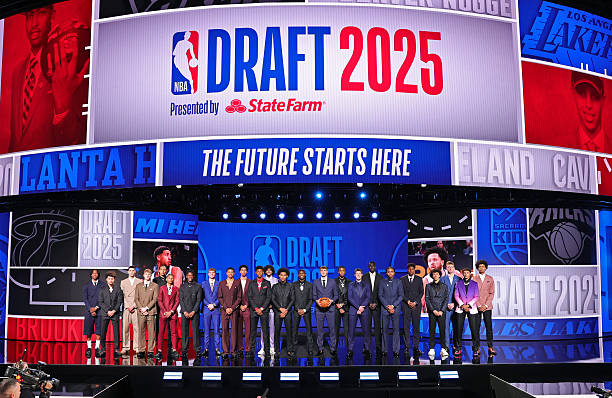
The journey of NBA draft picks does not truly begin on draft night. That moment is only the starting point of a carefully structured process designed to transform potential into performance. While fans often judge a draft by who was selected and where, franchises focus far more on what happens after the selection. Development is where careers are made or lost.
NBA Draft Picks: From Prospect to Professional
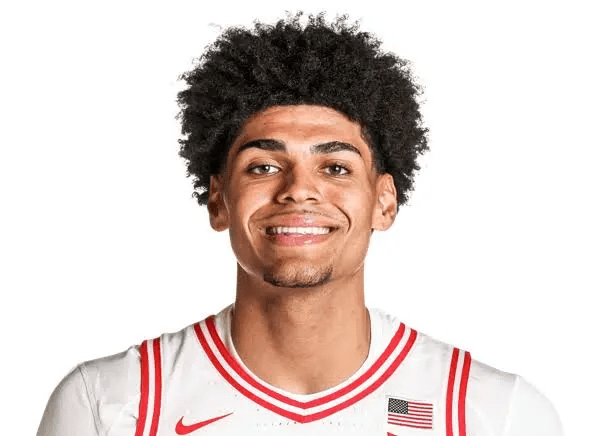
The transition into the NBA is one of the most demanding adjustments in professional sports. Players coming from college or international leagues must adapt to faster gameplay, superior athleticism, and more complex tactical systems. Even highly touted prospects quickly discover that talent alone is not enough.
Teams begin by conducting a deep evaluation of each player’s physical tools, technical skills, and basketball intelligence. This initial assessment shapes a tailored development plan. Unlike earlier eras, where rookies were left to figure things out, modern organizations treat development as a science, with clear benchmarks and structured progression.
Summer League as a First Test for NBA Draft Picks
The NBA Summer League offers the first real glimpse of how a rookie fits into the professional environment. The emphasis is not on winning games but on learning how players respond to NBA-level competition.
Coaches observe how quickly a player processes instructions, reacts under pressure, and adapts to spacing and tempo. A scorer who thrived in college isolation sets may struggle when faced with disciplined defensive schemes. These early lessons are crucial because they reveal the gap between potential and readiness.
Individual Skill Development
Once weaknesses are identified, development becomes highly individualized. Modern NBA teams employ specialized coaches dedicated solely to improving player skill sets. These sessions are often repetitive, detailed, and demanding.
A guard may spend weeks refining decision-making in pick-and-roll situations, while a forward might work on extending shooting range to fit modern offensive systems. Big men are no longer developed purely for interior play. They are taught mobility, perimeter defense, and even ball-handling to match the evolution of the game.
This attention to detail separates players who stagnate from those who steadily improve.
NBA Player Development: Physical Growth and Conditioning
Physical development is another pillar of the process. Many NBA draft picks enter the league without the strength or endurance required for an 82-game season. Teams invest heavily in conditioning programs that build durability without compromising agility.
Franchises such as the Miami Heat and San Antonio Spurs have built reputations for maximizing player fitness. Their systems focus not just on strength training but also recovery, injury prevention, and long-term health.
Young players often experience significant physical transformation within their first two seasons. This growth directly impacts performance, especially in areas like defense and finishing through contact.
NBA G League Development
Not all NBA draft picks are ready for immediate match minutes, and forcing early exposure can hinder development. The NBA G League provides a controlled environment where players can grow without the pressure of top-level competition.
In the G League, players gain consistent playing time and the freedom to experiment within structured systems. This allows them to refine skills, build confidence, and understand professional expectations. Many players who eventually succeed in the NBA spend time in this developmental pathway, using it as a bridge rather than a setback.
Film Study and Data-Driven Improvement
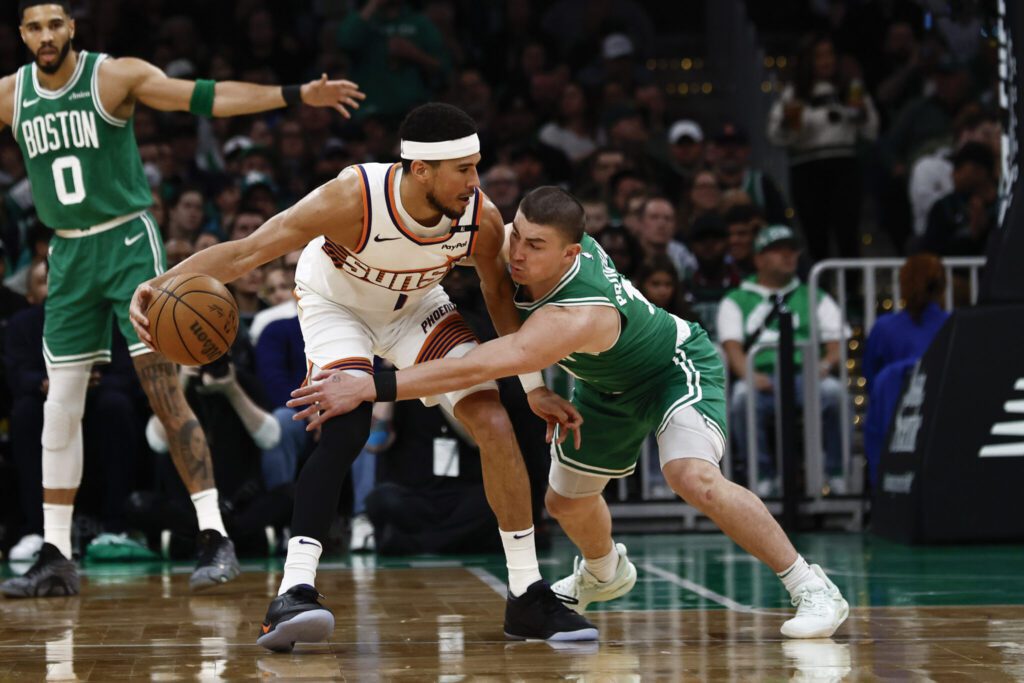
Development in today’s NBA is deeply tied to analytics. Every movement on the court is tracked, measured, and analyzed. Coaches use this data to highlight inefficiencies and guide improvement.
Film sessions are particularly valuable. Players review their own performances to understand positioning errors, decision-making flaws, and missed opportunities. Over time, this builds a deeper understanding of the game.
Analytics also help players play smarter. A rookie may learn that certain shot types significantly reduce efficiency, leading to better shot selection and overall performance. This blend of data and coaching has become central to modern player development.
Mental Strength and Professional Adjustment
The psychological aspect of development is often underestimated. NBA draft picks face intense scrutiny from fans, media, and internal competition. The pressure to perform can be overwhelming, especially for younger players.
Teams now prioritize mental conditioning alongside physical training. Players are taught how to manage expectations, maintain confidence during slumps, and stay focused on long-term growth. Emotional resilience often determines whether a player can navigate the ups and downs of a professional career.
Adapting to life off the court is equally important. Managing time, finances, and personal responsibilities becomes part of the overall development process.
Learning Roles Within a Team
Not every player is destined to be a star. Many NBA draft picks must adjust from being primary options in college or international leagues to playing specific roles within an NBA system.
Coaches emphasize discipline and understanding of team concepts. A player who embraces a role, whether as a defender, facilitator, or energy contributor, often finds a clearer path to success. Those who resist this adjustment can struggle to secure consistent playing time.
Development, therefore, is not only about improving skills but also about aligning those skills with team needs.
The Influence of Veteran Leadership in NBA Draft Picks
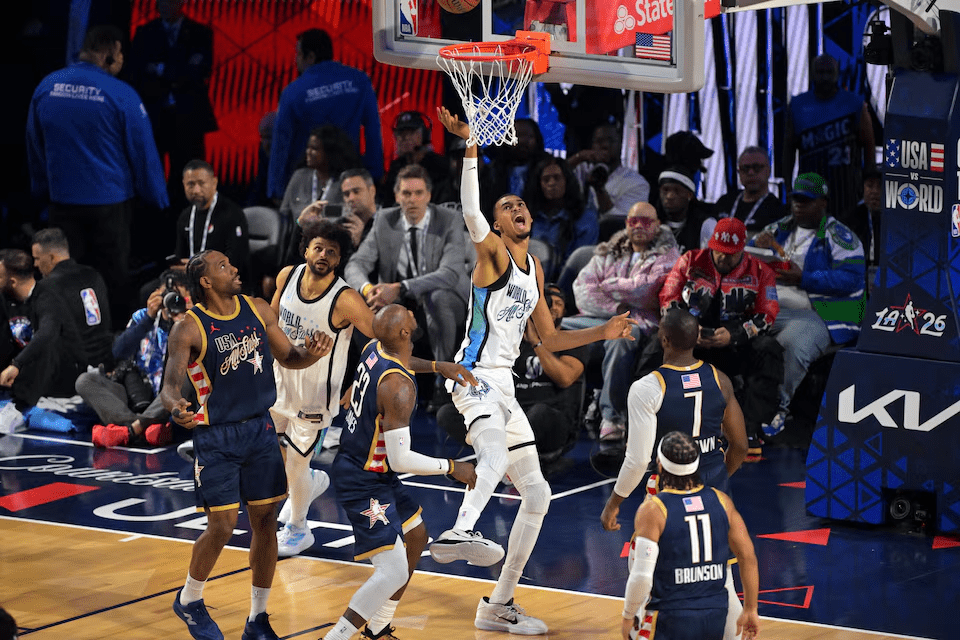
Veteran players play a quiet but powerful role in shaping young talent. Their experience provides guidance that cannot be replicated through coaching alone. From preparation routines to in-game decision-making, veterans offer practical lessons that accelerate growth.
Young players who enter strong locker room environments tend to develop faster. Observing professionalism on a daily basis helps them understand what is required to succeed at the highest level.
Patience and Long-Term Vision in NBA Rookie Development System
One of the biggest misconceptions about NBA draft picks is the expectation of instant impact. While some players adapt quickly, many require years to reach their full potential.
Organizations that succeed in player development are those willing to invest time and remain patient. Growth is rarely linear. Setbacks, injuries, and adjustments are all part of the journey.
Teams that maintain a long-term vision often uncover value where others see failure. Late bloomers and overlooked prospects can become key contributors when given the right environment.
Conclusion
The development of NBA draft picks is a detailed and evolving process that extends far beyond draft night. It combines coaching, analytics, conditioning, and psychological support into a system designed to maximize potential.
In the modern NBA, success is no longer defined solely by scouting or drafting. It is defined by what happens afterward. Teams that build strong development structures consistently turn prospects into professionals, proving that growth, not just talent, is the true foundation of success.
