Italian football has officially turned back to one of its most successful modern managers after Roberto Mancini was appointed new Italy head coach for a second spell in charge of the Azzurri. The Italian Football Federation (FIGC) confirmed the appointment just one day after Andrea Pirlo withdrew from consideration following controversy surrounding his commercial ties to a Russian betting company, a saga that also triggered the resignation of technical director Paolo Maldini and adviser Leonardo.
The federation’s decision represents a dramatic change of direction at one of European football’s most decorated national teams. While Pirlo had initially appeared to be the overwhelming favorite for the role, the unexpected collapse of his candidacy forced FIGC president Giovanni Malagò to turn to a familiar face capable of restoring stability. Alongside the managerial appointment, Claudio Ranieri was appointed new technical director as the veteran coach steps into a crucial leadership position within Italian football.
Roberto Mancini returns to lead Italy once again
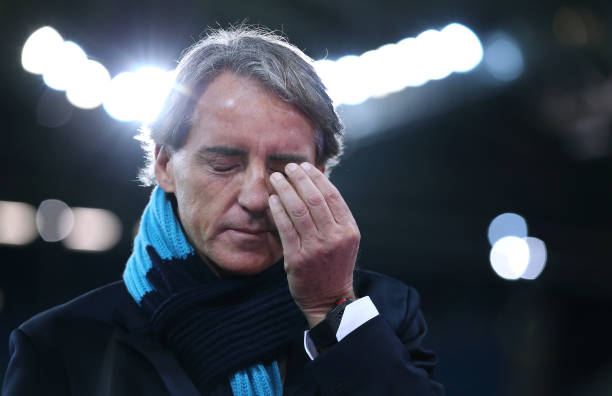
The appointment of Roberto Mancini marks the beginning of another chapter in one of the most successful managerial partnerships in recent Italian football history. Having previously managed the national team between 2018 and 2023, Mancini returns with a reputation built on restoring Italy’s identity after one of its darkest periods.
During his first tenure, Roberto Mancini transformed the Azzurri into one of Europe’s most entertaining sides by blending experienced internationals with emerging young talent. His philosophy emphasized attacking football, technical quality, and tactical flexibility, allowing Italy to dominate opponents while maintaining the defensive discipline traditionally associated with the national team.
The highlight of that reign came in 2021 when Italy defeated England at Wembley Stadium to lift the delayed Euro 2020 title, giving the country its first major international trophy since the 2006 FIFA World Cup. Under Roberto Mancini, Italy also established a world record 37-match unbeaten run, demonstrating remarkable consistency against elite opposition.
Although his first spell eventually ended following Italy’s failure to qualify for the 2022 World Cup, many supporters continued to view him as the manager best equipped to rebuild the national side.
Pirlo controversy opened the door for a new Italy head coach
The search for a new Italy head coach took an unexpected twist after Andrea Pirlo officially withdrew from consideration despite initially appearing set to secure the position.
Pirlo confirmed that he no longer wished to pursue the role after intense public debate surrounding his commercial partnership with Russian betting company Fonbet. The former midfielder insisted that the agreement carried no political significance and expressed disappointment that the discussion had shifted away from football.
His withdrawal left the federation scrambling for alternatives, prompting FIGC president Giovanni Malagò to reconsider experienced candidates who had previously been overlooked.
Speaking after announcing the appointment, Malagò explained that he believed Roberto Mancini represented the strongest candidate to restore stability following weeks of uncertainty.
The appointment brings immediate experience to a national team that desperately needs direction after enduring another disappointing World Cup qualifying cycle.
Claudio Ranieri appointed new technical director after Maldini resignation
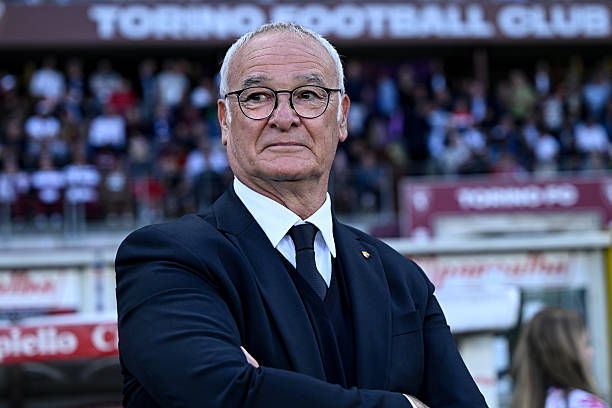
The managerial announcement was accompanied by another significant change within the federation, as Claudio Ranieri was also appointed new technical director.
Maldini had accepted the technical director role only weeks earlier but chose to step down after the federation abandoned its pursuit of Pirlo. Leonardo, who served as special adviser, also resigned in protest over the decision-making process.
By contrast, with Claudio Ranieri appointed new technical director, it offers the federation one of football’s most respected and experienced figures. The veteran coach, whose managerial career has spanned decades across Europe, is expected to provide strategic leadership while working closely alongside Roberto Mancini to rebuild Italy’s long-term football structure.
Ranieri’s appointment has been widely welcomed because of his reputation for professionalism, calm leadership, and player management. His remarkable Premier League title triumph with Leicester City remains one of football’s greatest managerial achievements, while his extensive experience at both club and international levels makes him an ideal candidate for the administrative role.
Why Italy turned back to Roberto Mancini
The decision to reappoint Roberto Mancini was influenced by more than nostalgia.
Italy have endured several turbulent years since their European Championship triumph. Consecutive failures to qualify for World Cups have severely damaged the nation’s reputation despite its rich football history, while inconsistent managerial appointments have prevented the national team from establishing continuity.
Gennaro Gattuso’s departure earlier this year followed another unsuccessful qualifying campaign, leaving Italy searching for a head coach capable of immediately restoring confidence.
Among the available candidates, Roberto Mancini possessed unmatched familiarity with both the federation and many senior internationals. His previous success demonstrated his ability to develop competitive squads while creating a positive environment that united players and supporters alike.
His extensive club résumé further strengthens his credentials. Before taking charge of Italy in 2018, Roberto Mancini won three Serie A titles with Inter Milan, lifted domestic trophies with Lazio, and famously guided Manchester City to their first Premier League title in 2012. He also managed Galatasaray, Zenit St. Petersburg, Saudi Arabia, and most recently Al Sadd in Qatar, where he won the Qatar Stars League before departing earlier this summer.
Challenges facing the new Italy head coach
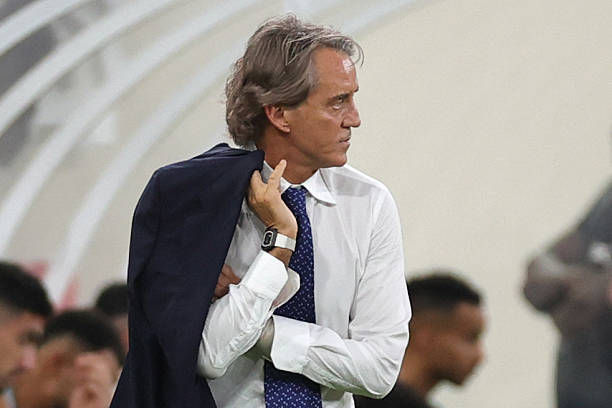
Although Roberto Mancini returns with considerable experience, his second spell will present challenges very different from those he encountered in 2018.
Italy have not appeared at a FIFA World Cup since Brazil 2014, an astonishing statistic for one of football’s most successful nations. Consecutive qualification failures have raised serious questions about player development, tactical evolution, and the overall direction of Italian football.
The immediate priority for the new Italy head coach will be restoring belief throughout the squad while integrating emerging talents capable of competing against Europe’s elite.
Italy also begin their UEFA Nations League campaign in September with fixtures against Belgium and Turkey, giving Roberto Mancini little time to implement his ideas before competitive football resumes.
Supporters will expect immediate improvements, but rebuilding confidence after years of disappointment will require patience as much as tactical expertise.
A familiar face tasked with rebuilding Italian football
The decision to appoint Roberto Mancini signals that the FIGC values proven success over experimentation. While the federation initially pursued Andrea Pirlo as part of a fresh direction, the unexpected controversy surrounding his candidacy ultimately accelerated the return of one of Italy’s most accomplished coaches.
With Claudio Ranieri appointed new technical director, the federation has also strengthened its leadership away from the touchline, creating a management team rich in experience and football knowledge.
Whether Roberto Mancini can replicate the magic of his first spell remains to be seen, but Italian supporters will hope that the man who delivered European Championship glory can once again restore pride, consistency, and competitiveness to the national team. After years of instability and World Cup disappointment, the appointment of a respected new Italy head coach represents more than a managerial change; it is another opportunity for one of football’s greatest nations to reclaim its place among the world’s elite.
