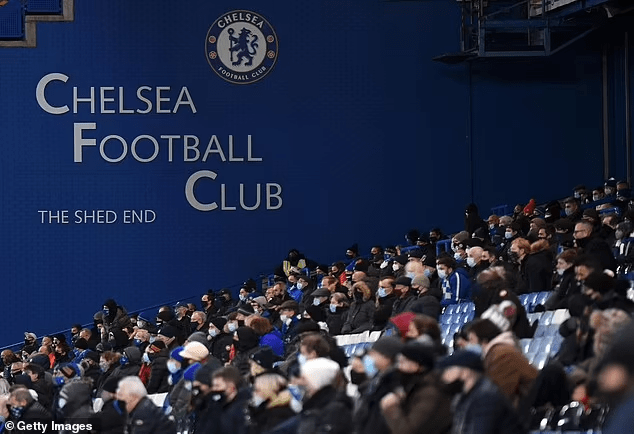
The unusual scheduling of Chelsea versus Nottingham Forest has raised eyebrows across the football world. A Monday 15:00 BST kick-off is far from typical in the Premier League, where weekend fixtures dominate the calendar. However, this change is not random. It reflects the complex balancing act between domestic competition, European commitments, and broadcast considerations.
This article breaks down why the Chelsea fixture was moved, how European competitions influence scheduling decisions, and what it means for clubs, players, and fans.
Why Chelsea vs Nottingham Forest Was Rescheduled

The primary reason for the change lies in Nottingham Forest’s involvement in European competition. Forest are currently competing in the UEFA Europa League semi-finals, where they face fellow English side Aston Villa.
Originally, the Chelsea fixture was scheduled for Saturday, 2 May. However, Forest were set to host Aston Villa in the Europa League less than 48 hours before that date. Playing two high-intensity matches within such a short window would raise serious concerns about player welfare, competitive fairness, and performance quality.
To address this, the Premier League rescheduled the match to Monday afternoon. This adjustment provides Forest with additional recovery time after their European fixture, ensuring they can compete at a reasonable physical level.
The Impact of European Competitions on Premier League Fixtures
European competitions such as the Europa League and Champions League regularly disrupt domestic schedules. Clubs competing on multiple fronts face congested fixture lists, especially in the latter stages of tournaments.
In this case, Forest’s semi-final involvement created a scheduling conflict that could not be resolved within the traditional weekend structure. The Premier League often prioritizes maintaining competitive integrity, meaning clubs involved in Europe are given sufficient rest periods.
This is not a one-off situation. Each season, clubs like Manchester City, Liverpool, and Chelsea themselves experience similar adjustments when they progress deep into European competitions.
Why a Monday Afternoon Kick-Off?

A Monday afternoon match is unusual but not without precedent. Several factors contributed to this specific timing.
First, the fixture falls on a bank holiday in the United Kingdom. Bank holidays provide greater flexibility for scheduling because more fans are available to watch matches during the day. This makes a 15:00 kick-off more viable from both a stadium attendance and television audience perspective.
Second, the Premier League aims to maximize viewership. By placing matches on a Monday, especially during a holiday, the league avoids clashing with the traditional Saturday and Sunday fixtures. This ensures that the Chelsea game receives a dedicated broadcast window.
Additionally, another match featuring Everton and Manchester City is scheduled for later that evening. Spreading fixtures across the day allows broadcasters to capture audiences throughout the entire day, increasing overall engagement.
Player Welfare and Competitive Balance
Modern football places increasing emphasis on player welfare. High-intensity matches, frequent travel, and limited recovery time can lead to injuries and reduced performance levels.
By moving the Chelsea fixture, the Premier League helps ensure that Forest players are not forced into an unfair or unsafe schedule. This is particularly important during the closing stages of the season, when matches carry significant consequences for league positions, European qualification, and relegation battles.
For Chelsea, the change also has implications. While they benefit from a more isolated fixture slot, the altered rhythm of preparation can affect training schedules and tactical planning. However, such adjustments are part of competing in a league where scheduling flexibility is necessary.
Broadcast and Commercial Considerations
Beyond sporting reasons, television and commercial factors play a crucial role in fixture scheduling. The Premier League is one of the most-watched leagues globally, and broadcasters seek to maximize audience reach.
A standalone Monday fixture provides a prime opportunity for global audiences to tune in without competing matches. This increases advertising value, viewership figures, and overall commercial returns.
For clubs like Chelsea, which have a significant international following, such scheduling can enhance global exposure. Fans in different time zones may find a Monday afternoon slot more accessible than a congested weekend schedule.
What This Means for Chelsea and Nottingham Forest Europa League Push

From a football perspective, the rescheduling introduces both opportunities and challenges. Chelsea gain additional preparation time compared to a typical weekend fixture, while Forest benefit from crucial recovery after their European clash.
For Forest, the ability to focus on both domestic and European competitions without excessive fatigue could prove decisive in their season objectives. Balancing these demands is never easy, and scheduling adjustments like this are essential to maintaining fairness.
Chelsea, on the other hand, will aim to capitalize on the situation. Playing at Stamford Bridge with a dedicated broadcast slot could provide an edge, especially if they are chasing points for European qualification or league positioning.
A Growing Trend in Modern Football
The Chelsea vs Nottingham Forest fixture highlights a broader trend in modern football. As clubs compete in multiple competitions and the global audience continues to grow, traditional scheduling norms are becoming more flexible.
Midweek matches, unusual kick-off times, and extended matchdays are now part of the football landscape. The influence of European tournaments, broadcasting demands, and player welfare considerations means that fans must adapt to a more dynamic schedule.
While a Monday afternoon kick-off may feel unusual, it represents the evolving nature of the game. Football is no longer confined to weekend routines. Instead, it operates within a complex system where multiple interests must be balanced.
Chelsea Fixture Rescheduled
The decision to move the Chelsea fixture against Nottingham Forest to Monday afternoon is rooted in practical necessity rather than novelty. European commitments, player welfare, and commercial strategy all played a role in shaping this outcome.
As the season reaches its climax, such scheduling adjustments are likely to continue. For fans, players, and clubs, adaptability is key. The modern game demands it.
In the end, while the timing may be unconventional, the objective remains the same. Deliver a competitive, fair, and entertaining match that reflects the high standards of the Premier League.

1 comment
This is my first time pay a quick visit at here and i am really happy to read everthing at one place