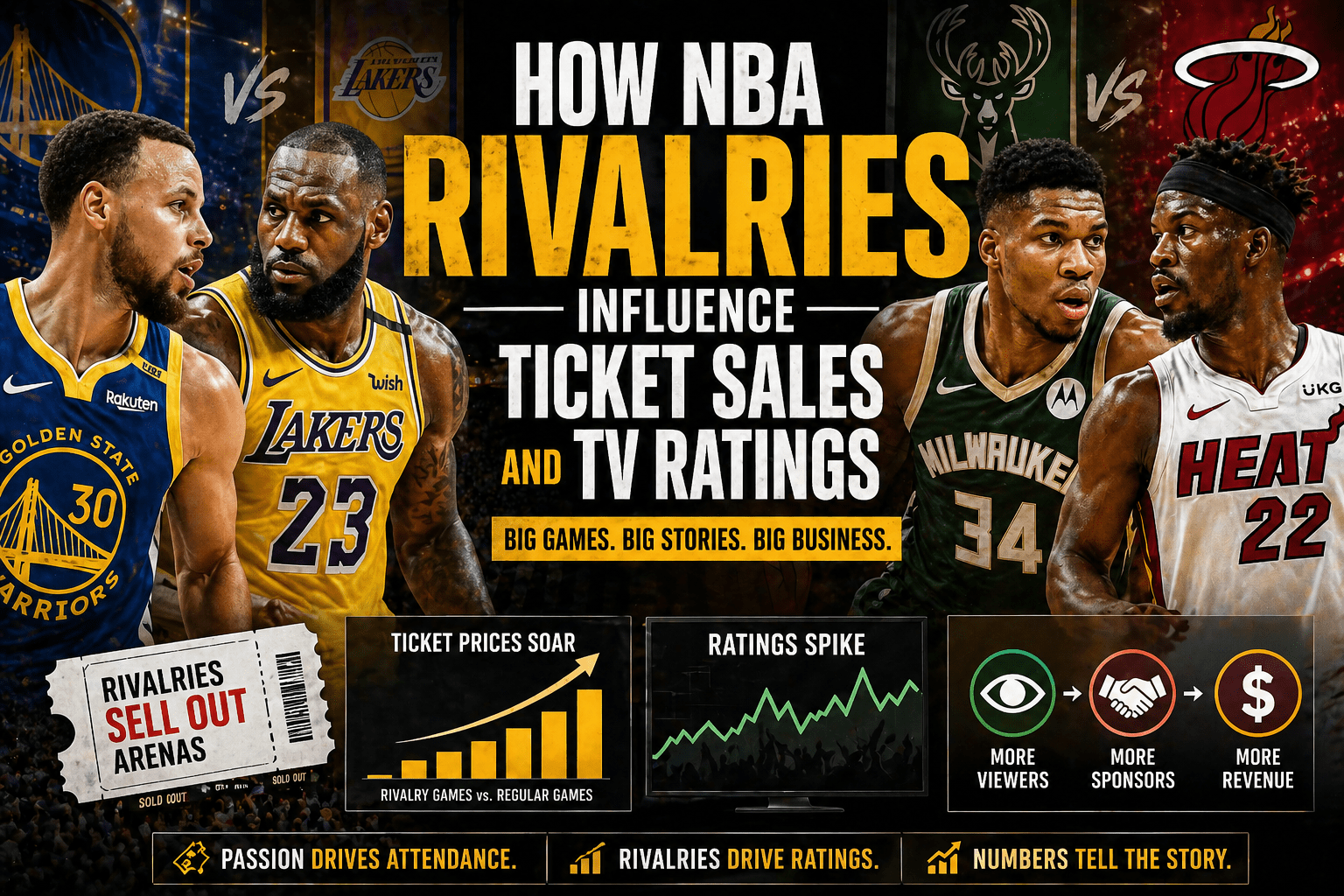
The story of the National Basketball Association has never been told through standings alone. It lives in tension, in history, in the electricity that builds long before tip-off. At the heart of that energy are NBA rivalries, the invisible force that transforms regular-season games into must-watch events and turns arenas into emotional theatres.
From a commercial perspective, top NBA rivalries are not just narratives. They are revenue engines. They influence ticket pricing, shape broadcast schedules, and determine how audiences engage with the sport across continents.
Understanding how NBA rivalries affect ticket sales and television ratings reveals something deeper about modern sports economics: emotion sells, and rivalry is emotion at its purest form.
NBA Rivalries and the Psychology of Demand
The economic impact of NBA rivalries begins with human behavior. Fans do not respond to games in a purely rational way. They respond to stakes, identity, and history. When two teams with a shared past meet, the perceived importance of the game increases, even if the standings suggest otherwise.
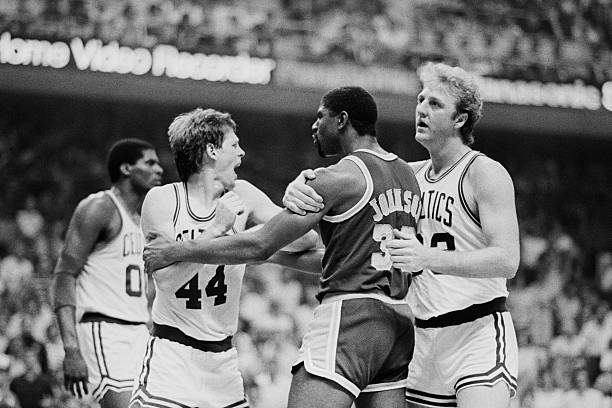
Consider the enduring rivalry between the Los Angeles Lakers and the Boston Celtics. Decades after the iconic battles between Magic Johnson and Larry Bird, the fixture still commands attention. Fans are not just buying a ticket to a game. They are buying into a story that stretches across generations.
This psychological attachment drives demand. When demand rises, prices follow.
NBA Ticket Sales: Scarcity or Emotion or Both
NBA rivalries consistently produce spikes in ticket sales, both in primary markets and resale platforms. Teams understand this dynamic and strategically price rivalry games higher than standard fixtures.
A matchup between the Golden State Warriors and the Cleveland Cavaliers during the peak of their Finals rivalry did not just sell out arenas. It created scarcity. Fans were willing to pay premium prices because the game carried emotional weight tied to LeBron James and Stephen Curry battling for dominance.
The resale market thrives in this environment. Secondary ticket platforms often see prices double or even triple for rivalry games. The perceived rarity of witnessing a high-stakes clash in person amplifies willingness to spend.
Franchises also benefit from increased in-arena spending. Merchandise, concessions, and premium seating packages all perform better when the opponent carries narrative significance. Rivalry games are not just sold out. They are monetized at every level.
Broadcast Power: Why Rivalries Dominate NBA TV Ratings
Television networks build their schedules around NBA rivalries because they guarantee viewership. National broadcasts frequently prioritize matchups with historical or emerging tension.
Games featuring the Chicago Bulls against the Detroit Pistons, echoing the physical battles of the late 1980s, still attract audiences that extend beyond local fanbases. Similarly, modern rivalries such as Milwaukee Bucks versus Miami Heat draw attention due to playoff history and stylistic clashes.
Television ratings spike because rivalry games offer unpredictability and narrative clarity. Casual viewers, who may not follow the league daily, are more likely to tune in when the stakes are framed through rivalry.
For broadcasters, this translates into higher advertising revenue. Advertisers are willing to pay more for slots during games that promise large audiences. In this sense, NBA rivalries directly influence the financial ecosystem of sports media.
Star Power and Rivalries
While team history is important, player narratives often define modern NBA rivalries. The league’s marketing machine thrives on individual matchups that symbolize broader competition.
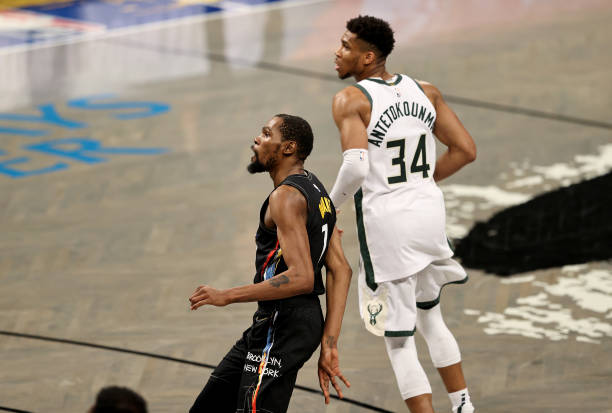
The rivalry between Kevin Durant and Giannis Antetokounmpo, for instance, is not rooted in decades of franchise history. It is driven by contrasting styles, playoff encounters, and the question of supremacy.
When stars carry rivalries, the impact on ticket sales and TV ratings becomes even more pronounced. Fans are drawn to personalities as much as teams. A game becomes an event when it is framed as a duel between elite players.
This player-driven dynamic is particularly effective in the digital era, where social media amplifies narratives. Clips, debates, and pre-game hype create anticipation that translates into measurable commercial gains.
Scheduling Strategy and Prime-Time Exposure
The NBA does not treat all games equally. Rivalry matchups are strategically placed in prime-time slots, holiday fixtures, and marquee broadcast windows.
Christmas Day games, for example, often feature high-profile rivalries. This scheduling decision is not accidental. It reflects an understanding that casual viewers are more likely to engage with games that carry narrative weight.
Prime-time exposure further reinforces the commercial cycle. Higher visibility leads to increased fan interest, which in turn drives ticket demand for future encounters. Rivalries become self-sustaining assets within the league’s structure.
Global Appeal of NBA Rivalry Games
The NBA’s international growth has been significantly influenced by its ability to export rivalries. Fans in markets far removed from the United States still engage with the drama of iconic matchups.
The New York Knicks versus Brooklyn Nets rivalry, for example, resonates beyond New York because it represents a clash of identity and culture. Similarly, historic narratives like Lakers versus Celtics have global recognition.
International broadcasters rely on these rivalries to attract audiences. Streaming platforms and television networks in Europe, Africa, and Asia consistently prioritize games with strong narratives.
This global reach amplifies revenue streams. Sponsorship deals, advertising partnerships, and media rights agreements all benefit from the heightened visibility that rivalries provide.
Social Media and the Amplification Effect
In the modern sports landscape, social media acts as a multiplier for NBA rivalries. Pre-game debates, in-game highlights, and post-game reactions create a continuous cycle of engagement.
Platforms like X and Instagram turn rivalry moments into viral content. A single play can generate millions of views, extending the reach of a game far beyond traditional broadcasts.
This digital amplification has a direct impact on ratings and ticket sales. Fans who engage with rivalry content online are more likely to watch games live or attend future matchups.
For the NBA, this represents a powerful synergy between traditional and digital media. Rivalries provide the content, and social platforms distribute it at scale.
Economic Ripple Effects for Franchises
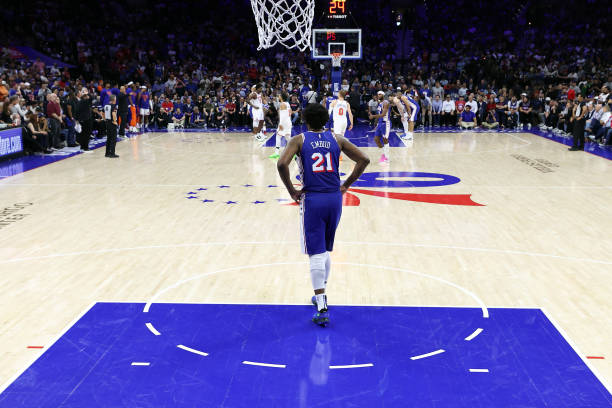
The influence of NBA rivalries extends beyond individual games. They shape long-term financial performance for franchises.
Higher ticket revenues, increased merchandise sales, and stronger brand recognition all contribute to a team’s overall valuation. Rivalries also enhance sponsorship opportunities, as brands seek to associate with high-visibility events.
For example, when the Philadelphia 76ers face the Toronto Raptors, the memory of playoff battles adds context that elevates the commercial appeal of the matchup. Sponsors recognize this added value and adjust their investments accordingly.
In this way, NBA rivalries function as long-term assets. They are not confined to a single season. They accumulate value over time.
The Future of NBA Rivalries in a Changing Landscape
As the NBA evolves, so too will its rivalries. Player movement, expansion, and changes in competitive balance will reshape the narratives that drive fan engagement.
Emerging rivalries will likely be more fluid, driven by star alignments and playoff encounters rather than decades of history. Yet the underlying principle remains unchanged. Fans are drawn to conflict, to stakes, and to stories that feel larger than the game itself.
The league’s challenge will be to nurture these narratives without forcing them. Authenticity is key. Rivalries that develop organically tend to resonate more deeply and generate stronger commercial returns.
Rivalries as the NBA’s Commercial Backbone
NBA rivalries are more than a cultural phenomenon. They are central to the league’s business model. They drive ticket sales by creating scarcity and emotional demand. They boost TV ratings by offering compelling narratives that attract both dedicated fans and casual viewers.
In an era where attention is fragmented and competition for viewership is intense, the NBA’s ability to leverage rivalry remains one of its greatest strengths. It transforms games into events, players into protagonists, and seasons into stories that fans cannot ignore.
Ultimately, NBA rivalries remind us that sport is not just about outcomes. It is about meaning. And meaning, more than anything else, is what sells.

7 comments
Pretty! This has been a really wonderful post. Many thanks for providing these details.
For the reason that the admin of this site is working, no uncertainty very quickly it will be renowned, due to its quality contents.
This is my first time pay a quick visit at here and i am really happy to read everthing at one place
Verdiginiz bilgiler için teşekkürler , güzel yazı olmuş
Bu konu hakkında bilgi vermeniz çok güzel. Genellikle türkçe içerikler az oluyor fakat böyle güzel içerikler görmek ve okumak çok zevkli.
This is really interesting, You’re a very skilled blogger. I’ve joined your feed and look forward to seeking more of your magnificent post. Also, I’ve shared your site in my social networks!
I appreciate you sharing this blog post. Thanks Again. Cool.