
The debate surrounding World Cup transport prices has taken a significant turn after officials announced major reductions for fans travelling to matches at MetLife Stadium during the 2026 FIFA World Cup.
Following widespread criticism from supporters, transport fares linked to matches in New Jersey have been lowered substantially. Train ticket prices have dropped from $150 to $98, while shuttle bus fares have fallen from $80 to $20. The decision comes after weeks of backlash from football supporters, who described the original pricing as excessive and out of touch with the spirit of the World Cup.
The controversy has once again highlighted growing concerns over affordability and accessibility ahead of one of the biggest sporting events in the world.
Fan Pressure Forces Change

The issue first gained attention when fans discovered the extraordinary cost of travelling to matches at MetLife Stadium, which will temporarily be known as New York/New Jersey Stadium during the tournament due to FIFA sponsorship rules.
The venue, located around 18 miles from Manhattan, is scheduled to host eight World Cup matches, including the final and one of England’s group-stage fixtures. However, supporters were shocked to learn that a simple return train journey from Penn Station would cost $150 during the tournament.
Under normal circumstances, the same trip costs approximately $12.90.
The sharp increase sparked outrage among fans and supporter organizations. Many argued that the pricing contradicted the inclusive atmosphere that international football tournaments are meant to create.
Thomas Concannon, leader of the Football Supporters’ Association England fan group, criticized what he called “astronomical” transport costs, warning that such pricing could discourage travelling supporters and damage the overall fan experience.
The backlash quickly gained traction across social media, where fans questioned why World Cup transport prices appeared dramatically higher than those seen at previous tournaments.
FIFA Under Pressure Over Affordability of World Cup Transport Prices
The controversy surrounding World Cup transport prices placed FIFA under increasing scrutiny.
One major point of criticism involved comparisons with previous tournaments. During both the 2018 FIFA World Cup in Russia and the 2022 edition in Qatar, supporters were offered free public transport linked to match tickets.
In fact, the United States had reportedly committed to a similar arrangement during the original bidding process for the 2026 tournament. However, changes to the agreement in 2023 meant that fans would instead travel “at cost.”
That explanation did little to calm frustrations.
Supporters argued that charging nearly $150 for a relatively short train journey undermined FIFA’s promises of accessibility and fan inclusion. Critics also questioned how such pricing aligned with efforts to expand football’s reach in North America.
The issue became especially sensitive because the 2026 World Cup is expected to attract millions of international visitors across the United States, Canada, and Mexico.
Political Leaders Step In

Political pressure also played a role in forcing changes to the transport pricing structure.
New Jersey governor Mikie Sherrill publicly criticized FIFA’s refusal to subsidize World Cup transport prices and insisted local taxpayers should not carry the financial burden of the tournament.
After negotiations involving commercial partners and transport authorities, officials confirmed a reduction in prices.
Sherrill later announced on social media that train fares would drop to $98 without relying on taxpayer money.
Although the revised figure still remains significantly higher than normal travel costs, the reduction has been welcomed as a partial victory for supporters who campaigned against the original pricing.
New York governor Kathy Hochul also announced a major reduction in shuttle bus prices, confirming that fares would fall by 75%.
She emphasized that transportation should remain accessible during a global event of this magnitude and stated that a portion of tickets would be reserved specifically for New York residents.
Concerns Remain Despite Reductions in 2026 World Cup Ticket Prices
While the reduced World Cup transport prices represent progress, concerns have not disappeared entirely.
A return train ticket costing $98 remains expensive compared to everyday public transport costs in the region. For travelling supporters already facing high accommodation and ticket expenses, transportation continues to add another major financial challenge.
Fans have also pointed out inconsistencies across host cities.
In Kansas City, for example, return bus tickets to the stadium will cost just $15. In Philadelphia, public transport prices will remain unchanged during the tournament, with fares staying at approximately $2.90.
Meanwhile, supporters attending matches in Foxborough, Boston are also facing steep increases. Round-trip tickets from central Boston to the stadium at Foxborough, which normally cost around $20, are expected to rise to $80 during the World Cup.
The disparity in pricing between cities has raised further questions about tournament planning and coordination.
England and Scotland Fans Directly Affected
The transport controversy is particularly relevant for supporters following England and Scotland.
England are scheduled to face Ghana in Foxborough on June 23 before travelling to New Jersey for a group-stage match against Panama on June 27.
Scotland will also play two matches in Foxborough, taking on Haiti and Morocco during the group stage.
Given the expected number of travelling British supporters, World Cup transport prices have become a major talking point among fan groups planning for the tournament.
Many fear that excessive pricing could limit attendance for ordinary supporters and make the World Cup increasingly inaccessible to working-class fans who traditionally form the backbone of football culture.
The Bigger Issue Facing the 2026 World Cup
The debate over World Cup transport prices reflects a wider concern about the commercialization of major sporting events.
Modern tournaments generate enormous revenue through broadcasting rights, sponsorships, and hospitality packages. However, critics argue that everyday supporters are often left paying increasingly high costs just to attend matches.
Transport, accommodation, and ticket prices can quickly accumulate, especially during tournaments spread across large geographic areas like the United States.
Unlike previous World Cups hosted in smaller regions, the 2026 edition presents unique logistical challenges due to travel distances between venues. This makes affordable transport even more important for fans.
If organizers fail to balance commercial interests with accessibility, the atmosphere and inclusiveness that define international football tournaments could suffer.
FIFA Faces Ongoing Scrutiny on MetLife Stadium Transport
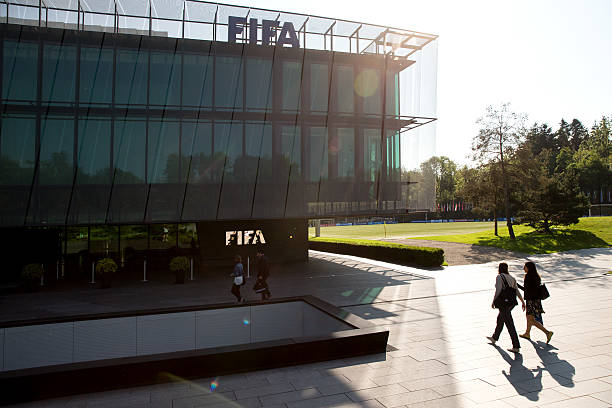
FIFA now faces continued scrutiny over how it manages fan experiences ahead of the tournament.
Although the reduction in the World Cup transport prices represents a response to public pressure, many supporters believe the issue should never have escalated in the first place.
The organization will likely continue facing questions over affordability, accessibility, and whether the 2026 World Cup is being designed primarily for supporters or for commercial profit.
With the tournament now just months away, transport logistics will remain a key issue for fans planning their journeys across North America.
FIFA World Cup 2026
The reduction in World Cup transport prices marks an important moment in the build-up to the 2026 FIFA World Cup. Fan backlash, political intervention, and public criticism forced organizers to reconsider pricing that many viewed as unreasonable.
While the new fares are lower than originally planned, concerns about affordability remain. The debate has exposed broader tensions surrounding the commercialization of football and the challenge of keeping the sport accessible to ordinary supporters.
As anticipation for the tournament grows, organizers will hope the focus returns to football itself rather than the cost of getting to the stadium.
