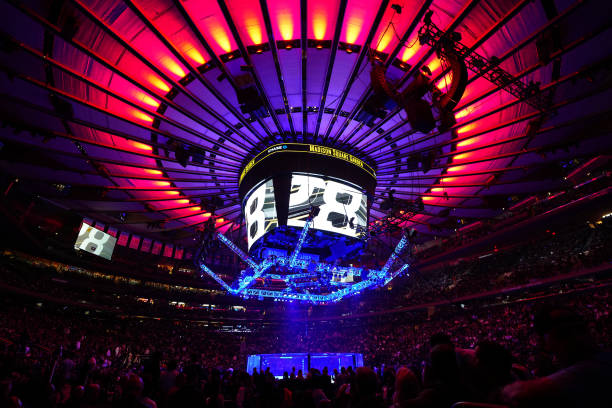
Professional boxing is often viewed through the lens of titles, rivalries, and dramatic fight nights, but behind every major event lies a highly complex commercial system. The world of professional boxing promotions is built on negotiations, broadcasting rights, sponsorship deals, fighter management, and financial risk. While fans focus on the action inside the ring, promoters and business executives operate in a competitive industry where economics can determine the success or failure of entire careers.
Understanding the structure of professional boxing promotions reveals how the sport functions as both entertainment and business. It also explains why boxing differs so sharply from league-based sports such as football, basketball, or baseball.
What Professional Boxing Promotions Actually Do

At the center of the sport are boxing promoters. Their primary responsibility is to organize fights and generate revenue from them. This includes securing venues, negotiating broadcasting agreements, marketing events, and coordinating fighter contracts.
Unlike team sports with centralized leagues, boxing operates through independent promotional companies competing for market share. Promoters essentially act as event producers. They invest money upfront with the expectation that ticket sales, pay-per-view purchases, sponsorships, and media rights will generate profit.
This structure creates a unique economic environment where every fight becomes its own business venture.
The Role of Boxing Promotion Companies
LAS VEGAS, NEVADA – MAY 04: A general view before a major boxing event at T-Mobile Arena on May 04, 2025 in Las Vegas, Nevada. (Photo by Steve Marcus/Getty Images)
Major companies dominate the landscape of professional boxing promotions. Organizations such as Top Rank, Matchroom Boxing, Premier Boxing Champions, and Golden Boy Promotions have built global reputations by signing elite fighters and securing lucrative television partnerships.
These companies function similarly to entertainment studios. They identify talent, invest in branding, and create events capable of attracting audiences worldwide.
A promoter’s influence often depends on three key assets: access to elite fighters, relationships with broadcasters, and the ability to generate public interest. Without those elements, even financially strong promotions can struggle to remain competitive.
Fighter Contracts and Promotional Rights
One of the most important aspects of professional boxing promotions is the contractual relationship between fighters and promoters.
When a boxer signs with a promotional company, the promoter typically receives rights to organize and market the fighter’s bouts for a specified period. In return, the promoter invests in the boxer’s career development, matchmaking, publicity, and event opportunities.
These contracts can vary significantly. Some involve long-term partnerships with guaranteed fight minimums, while others are shorter and more flexible.
The balance of power in these agreements often depends on the boxer’s popularity and marketability. Elite stars such as Canelo Alvarez or Tyson Fury possess greater negotiating leverage than developing fighters because they can independently attract major audiences.
This imbalance has historically been a source of tension within boxing economics, with critics arguing that some fighters receive limited financial transparency or restrictive contractual terms.
Revenue Streams in Professional Boxing Promotions
Professional boxing promotions rely on multiple revenue sources to remain profitable.
Ticket sales remain an important income stream, especially for major fights hosted in large arenas or stadiums. High-profile events can generate millions of dollars through gate revenue alone.
Broadcasting rights have become even more valuable in modern boxing. Television networks and streaming platforms compete aggressively for premium fight content because major bouts attract substantial audiences.
Pay-per-view events represent another critical component of boxing economics. A successful pay-per-view fight can generate enormous revenue, particularly when elite fighters with global followings are involved.
Sponsorship deals also contribute significantly. Brands use boxing events to reach large audiences, placing logos inside rings, on promotional materials, and throughout broadcasts.
Merchandising, international distribution rights, and digital content partnerships further expand earning potential.
Boxing Business Model: The Influence of Broadcasters

Modern professional boxing promotions are heavily shaped by media companies and broadcasters.
In many cases, television deals provide the financial foundation for entire promotional operations. Broadcasters pay promoters for the rights to air events, guaranteeing income regardless of ticket sales.
Streaming platforms have transformed the industry further. Companies such as DAZN introduced subscription-based models that challenged traditional pay-per-view systems and altered how boxing content is distributed globally.
This shift increased competition among promoters seeking exclusive broadcasting partnerships. It also changed fighter earnings, as some athletes now receive guaranteed purses tied directly to streaming agreements.
Media exposure remains essential because visibility drives popularity, and popularity drives revenue.
Sanctioning Bodies and Championship Belts
Another unique aspect of professional boxing promotions is the role of sanctioning bodies.
Organizations such as the WBC, WBA, IBF, and WBO govern championship titles and rankings. Unlike centralized sports leagues, boxing has multiple world champions across different organizations.
Promoters often work closely with sanctioning bodies because title fights significantly increase commercial value. Championship bouts attract greater attention, higher broadcasting fees, and larger audiences.
However, the existence of multiple sanctioning bodies also creates complications. Mandatory challengers, sanctioning fees, and conflicting organizational requirements can influence matchmaking and business decisions.
This fragmented structure is one reason boxing can sometimes appear politically complex compared to other sports.
Risk Management in Boxing Industry Economics
Professional boxing promotions involve substantial financial risk.
Promoters often invest heavily before a fight generates any revenue. Venue rentals, marketing campaigns, fighter purses, production costs, and broadcasting logistics all require major upfront spending.
If ticket sales disappoint or public interest declines, promoters can lose significant amounts of money.
This financial uncertainty explains why promoters carefully build fighters over time. Undefeated records, strategic matchmaking, and controlled career progression are often designed to protect commercial value as much as sporting success.
A major upset loss can dramatically reduce a fighter’s marketability and impact future earnings for both the boxer and promoter.
The Global Expansion of Professional Boxing Promotions

The economics of professional boxing promotions have become increasingly global.
Countries such as Saudi Arabia have invested heavily in hosting major fights, offering enormous site fees to attract elite events. This has changed the financial landscape of boxing by creating new revenue opportunities outside traditional markets like Las Vegas, New York, and London.
International expansion allows promoters to access larger audiences and diversify income streams. It also increases competition between host cities and governments seeking the economic benefits associated with major sporting events.
As boxing becomes more globalized, promotional companies must adapt to different markets, broadcasting systems, and cultural audiences.
Social Media and Fighter Branding
Digital media has significantly changed how professional boxing promotions operate.
Fighters are no longer dependent solely on promoters for exposure. Social media platforms allow athletes to build personal brands, engage directly with fans, and increase their commercial value independently.
Promoters now consider online engagement an important business factor. A boxer with millions of followers may generate greater revenue potential even before achieving championship success.
This has also contributed to the rise of influencer boxing, where online personalities participate in professionally promoted events that attract massive digital audiences.
While controversial to some traditional boxing fans, these events demonstrate how entertainment value increasingly intersects with boxing economics.
Why Boxing Differs From League Sports
Unlike the NBA, NFL, or Premier League, boxing lacks a centralized governing structure controlling schedules, contracts, and championships.
This decentralized system creates flexibility but also instability. Promoters compete against each other, broadcasters negotiate separately, and fighters often move between organizations.
While this structure can produce massive superfights, it can also delay major matchups due to conflicting business interests.
At the same time, the independence of boxing promotions allows fighters and promoters greater freedom to negotiate unique financial arrangements.
Conclusion
The world of professional boxing promotions is far more than fight night entertainment. It is a sophisticated business ecosystem built on negotiation, broadcasting, branding, and calculated financial risk.
Promoters serve as the architects of the sport, balancing commercial realities with competitive ambition. Fighters rely on these structures to build careers, while broadcasters and sponsors help fuel the industry’s global growth.
As technology, media, and international investment continue reshaping boxing economics, the structure of professional boxing promotions will keep evolving. Yet one reality remains unchanged: behind every major fight is a business operation just as strategic and competitive as the action inside the ring itself.
