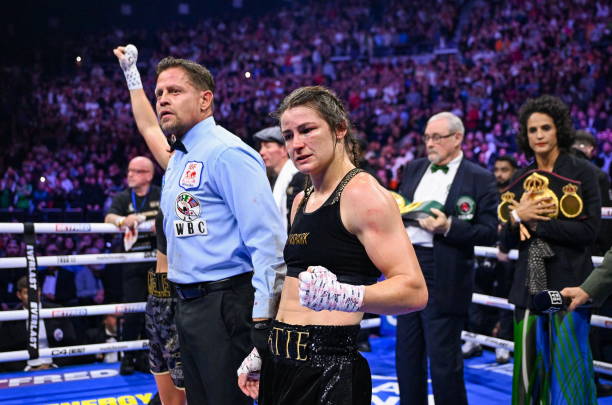
In professional boxing, the action inside the ring is only part of the story. When a fight goes the distance, the outcome is determined by boxing judges, whose role is to evaluate every round and decide the winner based on a structured scoring system. While knockouts provide clarity, many fights are decided on points, and understanding how judges score bouts is essential for fans, fighters, and analysts alike.
This article breaks down how boxing judges score professional fights, the criteria they use, and why controversial decisions still occur despite a standardized system.
The 10-Point Must System Explained

The foundation of professional boxing scoring is the 10-point must system, which is used in most major promotions and sanctioned by organizations such as the World Boxing Council and World Boxing Association.
Under this system, the winner of each round must receive 10 points, while the loser receives nine or fewer. A typical round where one fighter edges the other is scored 10-9. However, if a fighter dominates or scores a knockdown, the round could be scored 10-8 or even 10-7 in rare cases.
Each fight usually has three judges seated at ringside, and they score the bout independently. At the end of the fight, their scorecards are totaled to determine the winner.
The Four Key Scoring Criteria
Although boxing can appear subjective, boxing judges are guided by four primary criteria when evaluating each round.
Clean Punching
The most important factor is clean punching, which refers to punches that land clearly on the opponent with the knuckle part of the glove. Judges look for accuracy rather than sheer volume. A fighter who lands fewer but cleaner shots may win the round over an opponent who throws more but lands less effectively.
Effective Aggression
Aggression alone is not enough. Boxing judges reward effective aggression, meaning forward movement that results in successful offense. A fighter who presses the action but fails to land meaningful punches may not score highly in this category.
Ring Generalship
Ring generalship refers to a fighter’s ability to control the pace, positioning, and style of the fight. This includes dictating where the fight takes place, whether at close range or from a distance. Fighters like Floyd Mayweather Jr. built their careers on mastering this aspect of the sport.
Defense
Defense is often overlooked by casual viewers but is critical in scoring. Slipping punches, blocking effectively, and making an opponent miss all contribute to a fighter’s performance. A defensively skilled boxer can win rounds by neutralizing their opponent’s offense.
How Boxing Judges Score Fights
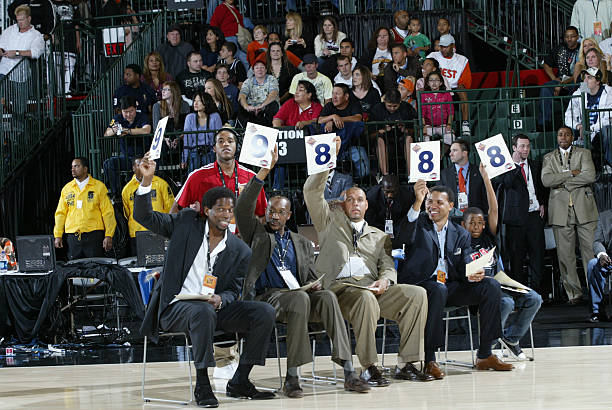
At the end of every round, judges quickly assess what they have seen and assign a score. Most rounds are scored 10-9, but certain events can change the margin.
A knockdown typically results in a 10-8 round. If a fighter scores two knockdowns, the score may become 10-7. Fouls can also affect scoring, as referees may deduct points for infractions such as low blows or holding.
Judges do not consult each other during the fight. Their independence is meant to ensure fairness, although it can sometimes lead to widely differing scorecards.
The Role of Knockdowns and Dominance
Knockdowns are one of the most significant factors in scoring. Even in a close round, a single knockdown can swing the score heavily in favor of the fighter who delivered it.
However, dominance without a knockdown can also result in a 10-8 round, though this is less common and depends on the judge’s discretion. This subjectivity is one reason why scoring debates are frequent in boxing.
Types of Decisions in Professional Boxing
Once all rounds are scored, the judges’ totals determine the result. There are several possible outcomes.
A unanimous decision occurs when all three judges agree on the winner. A split decision happens when two judges favor one fighter while the third favors the other. A majority decision is when two judges pick a winner and the third scores the fight as a draw.
Draws can also occur, either unanimously or by majority, when the scorecards reflect no clear winner.
Why Scoring Can Be Controversial
Despite clear guidelines, boxing scoring remains one of the most debated aspects of the sport. High-profile fights have often sparked controversy, with fans and analysts disagreeing with judges’ decisions.
One reason is the subjective nature of interpreting the scoring criteria. What one judge sees as effective aggression, another may view as ineffective pressure. Similarly, the value placed on defense versus offense can vary.
Another factor is positioning. Boxing judges sit at different sides of the ring, which can affect their view of certain punches or exchanges. A punch that appears clean from one angle may not look as clear from another.
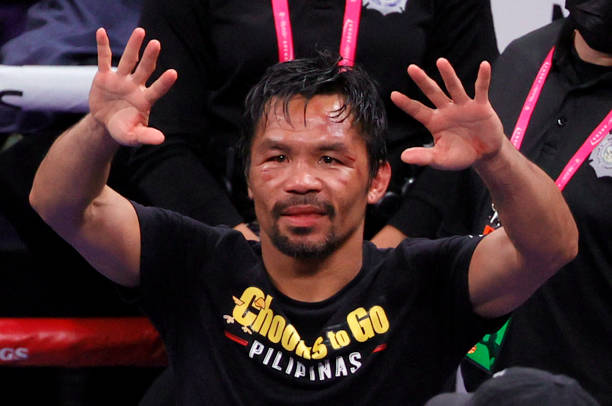
Famous bouts involving fighters like Manny Pacquiao have highlighted how contentious decisions can shape public perception of the sport.
The Importance of Consistency and Experience
Judging at the professional level requires significant training and experience. Boxing Judges must make quick decisions under pressure, often with only seconds between rounds to finalize their scores.
Consistency is crucial. Boxing judges are expected to apply the same standards throughout the fight, regardless of crowd reactions or fighter reputations. Maintaining objectivity is one of the most challenging aspects of the role.
How Technology and Reforms Are Influencing Scoring
In recent years, there have been discussions about improving transparency and accuracy in boxing judging. Some organizations have experimented with open scoring, where judges’ scores are revealed during the fight.
Technology has also been explored as a potential aid, including punch-tracking systems. However, these tools are not yet reliable enough to replace human judgment, as they cannot fully capture the quality or impact of punches.
Regulatory bodies continue to refine guidelines to reduce inconsistencies, but the human element remains central to the sport.
What Fans Should Watch for in Boxing Scoring System
Understanding how boxing judges score fights can enhance the viewing experience. Instead of focusing solely on dramatic moments, fans can pay attention to clean punches, control of the ring, and defensive skill.
Close rounds are often the most difficult to score, and different interpretations are natural. Recognizing this helps explain why scorecards can vary without necessarily indicating bias or error.
Conclusion
The role of boxing judges is fundamental to professional boxing. Using the 10-point must system and evaluating criteria such as clean punching, effective aggression, ring generalship, and defense, judges determine the outcome of fights that go the distance.
While the system provides structure, the subjective nature of judging ensures that debate will always be part of the sport. This tension between structure and interpretation is what makes boxing both compelling and, at times, controversial.
For fans, understanding how boxing judges operate offers deeper insight into the sport and a greater appreciation of the skill required not only to fight but also to fairly evaluate what happens inside the ring.
