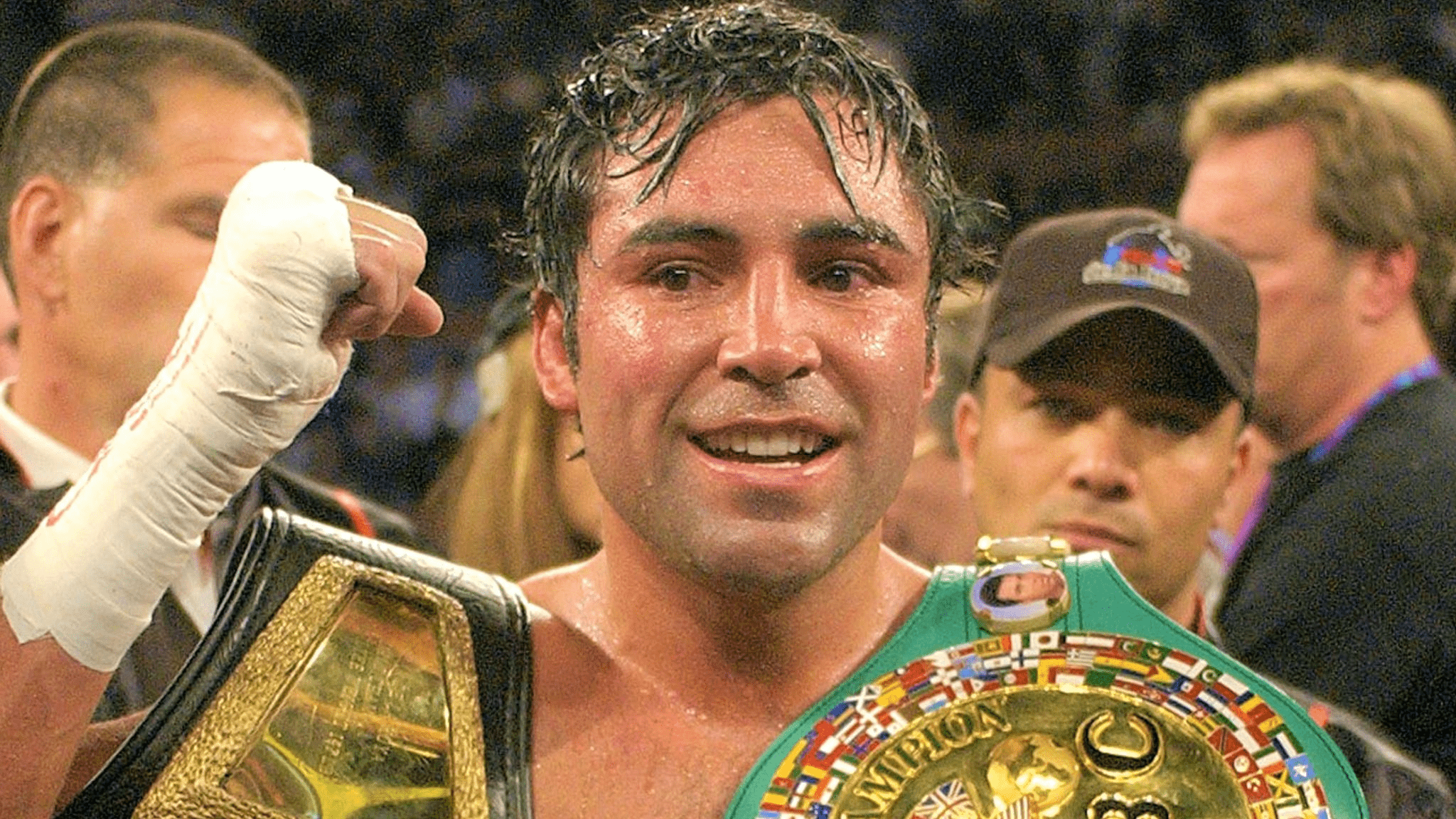
The world of boxing has been rocked by recent discussions about potential legislative changes to the sport in the United States. Recently, two prominent figures in the boxing community Oscar De La Hoya, a former world champion and current promoter, and the grandson of the legendary Muhammad Ali, Nico Ali Walsh have sounded the alarm about proposed changes to the laws governing boxing. Their warning to U.S. lawmakers highlights the potential negative impact of these changes on the sport, its athletes, and the business side of boxing.
This article will explore the concerns raised by De La Hoya and Ali’s grandson, break down the specifics of the proposed legislation, and analyze the implications for the future of boxing in the U.S.
Background: The Growing Debate Over Boxing Regulation
Boxing has long been one of the most heavily regulated sports in the world. In the U.S., the regulation of boxing falls under the jurisdiction of both state and federal authorities. Traditionally, individual states have managed boxing within their borders, with organizations like the Association of Boxing Commissions (ABC) setting the standards for rules and regulations. However, recent concerns about the safety of fighters, financial transparency, and the overall integrity of the sport have led lawmakers to consider overhauling the legal framework surrounding boxing.
A growing number of lawmakers argue that boxing needs more uniformity in its regulations, as well as stricter guidelines to protect fighters from the risks associated with the sport, such as head injuries and long-term brain damage. This push for reform has led to discussions about creating new national laws to regulate boxing more directly from a federal level, with the aim of increasing oversight and providing greater protections for athletes.
However, not everyone in the boxing community agrees with this approach, and some prominent figures are strongly opposed to these proposed changes. Oscar De La Hoya and Nico Ali Walsh, who both have deep personal and professional connections to boxing, have been vocal critics of this movement.
Oscar De La Hoya’s Stand Against the Overhaul
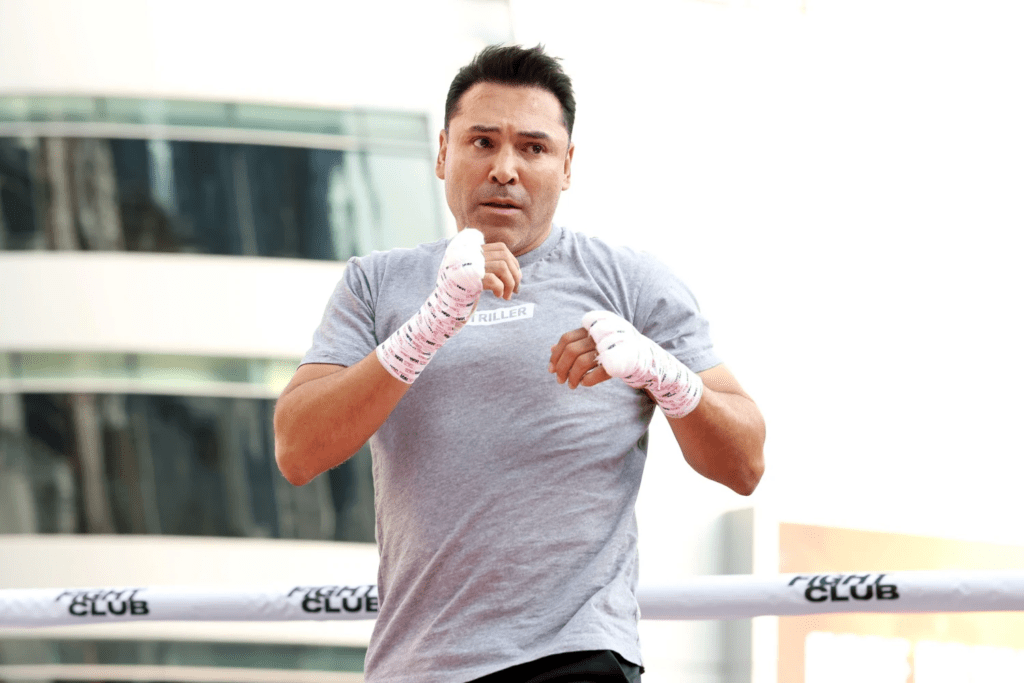
Oscar De La Hoya is no stranger to the spotlight in boxing. As a former Olympic gold medalist and world champion in six different weight classes, De La Hoya has achieved legendary status in the sport. His transition to a successful promoter, leading the company Golden Boy Promotions, has further cemented his position as one of the most influential figures in modern boxing.
De La Hoya’s opposition to the proposed legislative changes is rooted in his belief that boxing’s regulatory issues are best handled at the state level, where there is a deeper understanding of the unique needs of each local market. According to De La Hoya, the federal government’s involvement could result in overregulation that would stifle the growth and business of boxing.
De La Hoya’s Key Concerns:
- Overregulation and Bureaucracy: De La Hoya warns that introducing federal regulations could lead to an increase in red tape, making it more difficult for promoters, managers, and athletes to operate within the sport. According to him, boxing’s decentralized nature has been one of the reasons for its resilience, as it allows for flexibility and adaptability in the face of different regional needs.
- Loss of State-Level Control: Under the current system, individual states are responsible for managing and regulating boxing events within their jurisdictions. De La Hoya argues that these state athletic commissions have a better understanding of the dynamics of their respective regions and are more suited to make decisions tailored to their local boxing scenes. A federal overhaul, he claims, could lead to a one-size-fits-all approach that could hurt smaller states or regional promoters who have a unique relationship with local boxers and fans.
- Financial Impact on Boxing Promotions: De La Hoya also expressed concerns about how a federal overhaul could impact the business side of boxing. With more regulation, the costs associated with promoting boxing events could rise, potentially putting smaller promoters at a disadvantage. De La Hoya’s own company, Golden Boy Promotions, could be disproportionately affected by such changes, limiting the number of events and fighters they could manage.
- Potential Negative Effects on Fighter’s Autonomy: One of the most contentious aspects of boxing regulation is the relationship between fighters and their promoters. Under the new proposed laws, it is argued that some regulations could be too stringent on both fighters and promoters, limiting freedom in contract negotiations and promotional choices. De La Hoya believes that fighters should have the autonomy to make their own decisions about their careers without excessive external interference.
- Innovation and Growth of the Sport: De La Hoya also cautioned that the proposed reforms could stunt innovation in the sport. Boxing has always been a dynamic and ever-evolving sport, with new business models, marketing strategies, and digital platforms emerging in recent years. A federal overhaul, he argued, could place unnecessary constraints on the sport’s ability to evolve, especially in the age of streaming services and social media.
Nico Ali Walsh: A Grandson’s Perspective
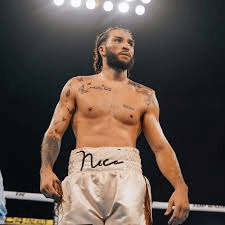
Joining De La Hoya in his opposition to the potential overhaul is Nico Ali Walsh, the grandson of the legendary Muhammad Ali. Nico has made a name for himself as a professional boxer, and like his grandfather, he has become an important figure in the boxing world.
Nico Ali Walsh has a unique perspective on the situation, as he understands the importance of both protecting fighters and maintaining the legacy of the sport. While he shares De La Hoya’s concerns about overregulation, he also brings an added dimension to the debate one that focuses on the historical context of boxing and the long-standing fight for fairness and transparency in the sport.
Ali Walsh’s Key Concerns:
- Protection of Fighter’s Rights: Nico Ali Walsh is deeply concerned about the potential loss of fighters’ rights in the face of increasing regulation. While he acknowledges the importance of fighter safety, he argues that overregulation could inadvertently diminish the rights of athletes to choose their path. He believes that boxing needs a balanced approach that prioritizes safety without sacrificing the autonomy of fighters.
- Preserving the Spirit of Boxing: As the grandson of Muhammad Ali, Nico Ali Walsh feels a deep sense of responsibility toward preserving the values that his grandfather stood for. He is wary that sweeping legal changes could result in a loss of the individuality and authenticity that has always been a hallmark of boxing. According to Ali Walsh, boxing should not be overrun by bureaucrats or politicians who might not fully understand the intricacies of the sport.
- The Importance of Local Communities in Boxing: Ali Walsh echoes De La Hoya’s point about the importance of state-level regulation. He believes that boxing has always thrived in local communities, where gyms, trainers, and promoters have intimate knowledge of the fighters and the sport’s cultural significance. He warns that a federal overhaul could disrupt these local ecosystems and harm the grassroots level of boxing.
- A Balanced Approach to Fighter Safety: While both De La Hoya and Ali Walsh are opposed to overregulation, they are not dismissing the need for reform in some areas. Both acknowledge that safety measures, including head injury protocols and medical evaluations, are crucial. However, they argue that these measures should be carefully tailored and implemented without going overboard.
Also Read- Lawrence Okolie Fails Doping Test, Paris Fight with Tony Yoka Canceled
The Proposed Overhaul: What Are Lawmakers Considering?
The proposed overhaul of boxing regulations involves several key changes that would shift authority from state-based commissions to a more centralized federal system. Some of the proposed reforms include:
- Increased Safety Standards: Lawmakers are considering implementing stricter health and safety regulations for boxers, including mandatory medical tests and better tracking of fighters’ health histories.
- Financial Transparency: Another element of the proposed legislation is ensuring greater financial transparency within the boxing industry, particularly with regard to the management of fighter contracts and promoter agreements.
- A National Boxing Commission: Some lawmakers are pushing for the establishment of a national commission to oversee all boxing events in the U.S. This would centralize decision-making and regulation, including the enforcement of rules and the issuance of licenses.
- Protection Against Exploitation: One of the central aims of the reforms is to protect fighters from exploitation. This includes measures to ensure fair compensation and the prevention of unfair contracts that limit a fighter’s earning potential or career freedom.
Conclusion: Striking a Balance
The debate over boxing regulations in the U.S. is far from settled, and the concerns raised by De La Hoya and Ali Walsh reflect the deep divisions within the sport. On one hand, there is a clear need for reform to protect fighters and ensure that boxing remains a safe, transparent, and sustainable sport. On the other hand, there is a valid concern that overregulation could stifle innovation, increase costs, and undermine the very essence of what makes boxing such a unique and beloved sport.
Ultimately, the challenge for lawmakers is to strike a balance between safeguarding the interests of athletes and ensuring the growth of the sport. By listening to the concerns of stakeholders like De La Hoya and Ali Walsh, lawmakers may be able to craft a regulatory framework that addresses the real issues while preserving the spirit of boxing. Whether or not this overhaul will ultimately pass remains to be seen, but one thing is clear: the boxing community will continue to play a central role in shaping the future of the sport.