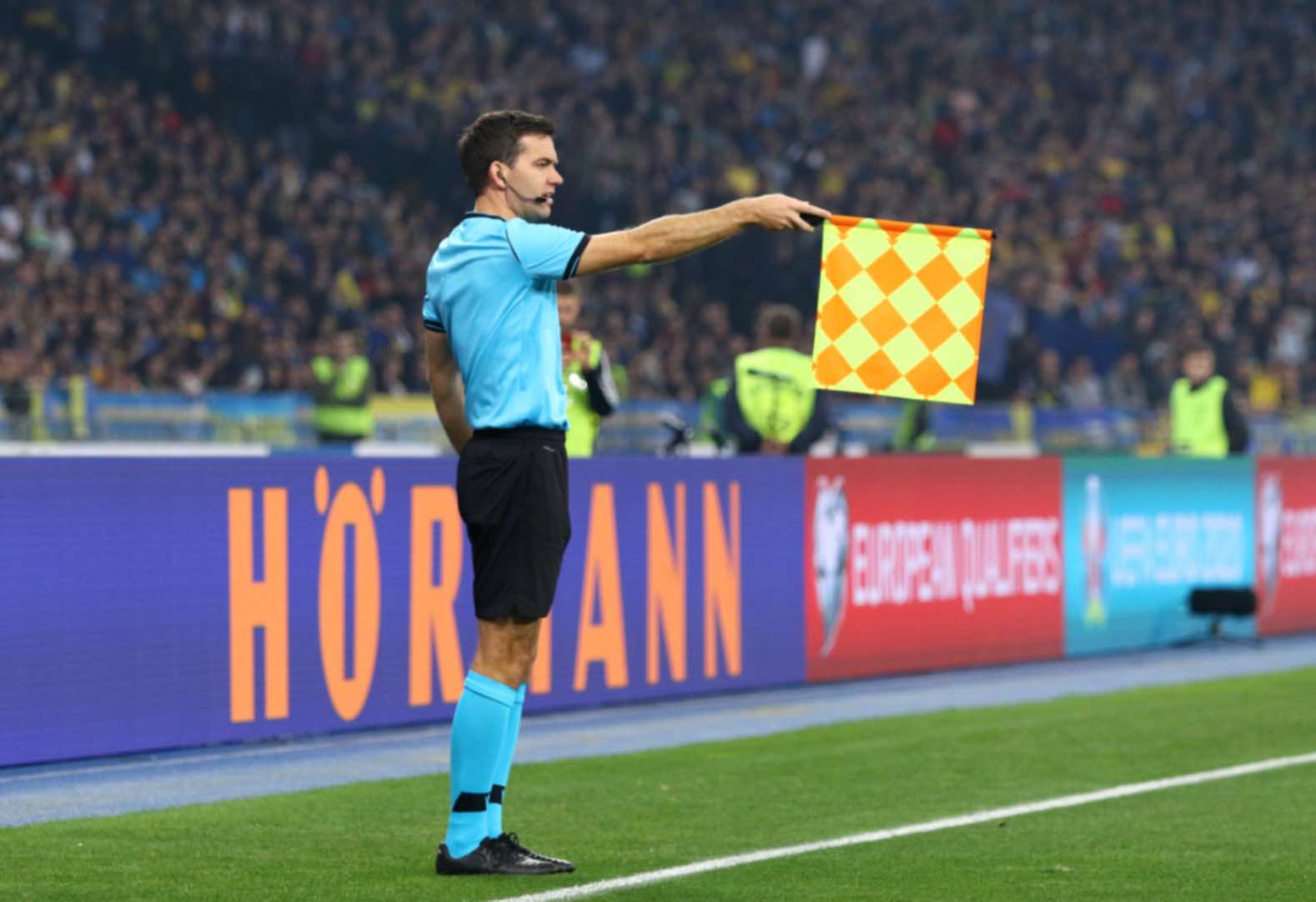
Football is often celebrated as a timeless sport, yet the game played today would be almost unrecognizable to supporters from a century ago because many football rules that no longer exist today once shaped how matches were played, how goals were scored, and even how referees managed contests. As the sport evolved, governing bodies continually refined the Laws of the Game to make football faster, fairer, and more entertaining, leaving behind several regulations that now seem strange by modern standards.
Some of these changes transformed tactics, while others fundamentally altered the way players approached every phase of a match. Looking back at these old football rules offers a fascinating glimpse into football’s evolution and explains why the modern game looks the way it does today.
Football Rules That No Longer Exist Included the Original Offside Law
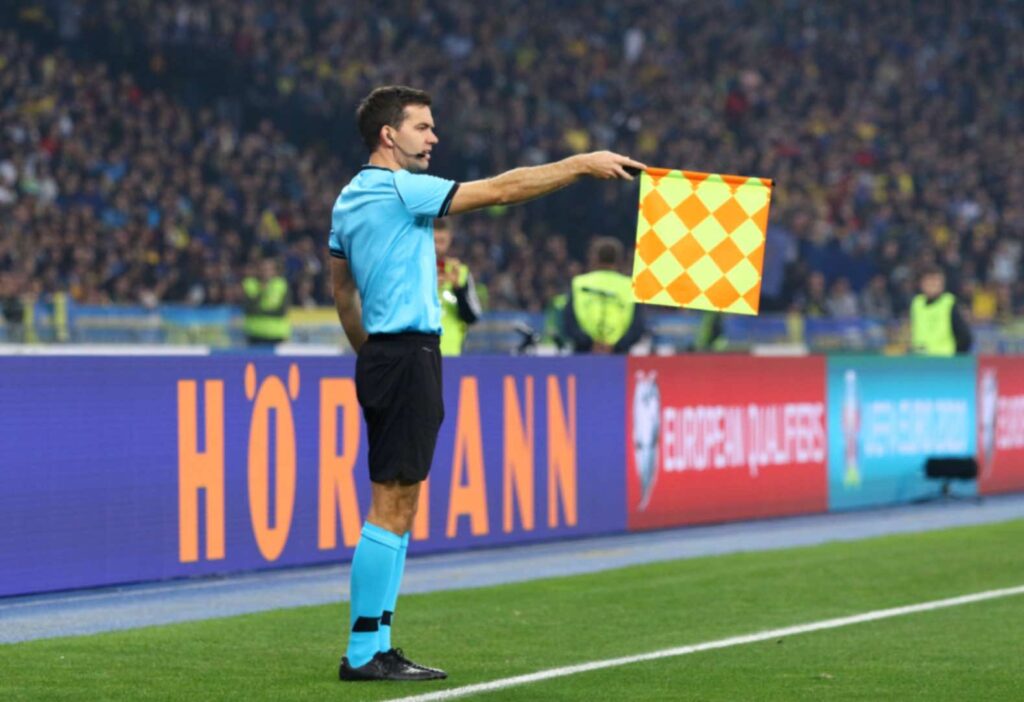
Among all the football rules that no longer exist, none had a greater influence than the original offside rule.
In football’s earliest years, an attacking player was considered offside whenever he stood in front of the ball. This meant forward passing was almost impossible, forcing teams to rely almost entirely on dribbling and sideways movement. The rule closely resembled rugby and prevented the fluid attacking football that supporters now enjoy.
Gradual amendments eventually allowed attackers to position themselves ahead of the ball, provided enough defenders remained between them and the goal. Those revisions completely transformed football tactics, paving the way for creative passing, counterattacks, and the sophisticated attacking systems seen today.
Without changing this particular law, many of football’s greatest attacking teams would never have existed.
Goalkeepers Could Handle the Ball Anywhere in Their Own Half
One of the most surprising forgotten football rules allowed goalkeepers far greater freedom than modern fans might imagine.
Until 1912, goalkeepers were permitted to use their hands anywhere inside their own half rather than being restricted to the penalty area.
This enormous advantage allowed keepers to rush far from goal, intercept attacks, and control possession over a much larger section of the pitch. Unsurprisingly, the rule often disrupted attacking football and reduced scoring opportunities.
The International Football Association Board eventually confined goalkeepers to handling the ball only inside the penalty area, creating a fairer balance between attack and defence.
The Back-Pass Rule Did Not Exist
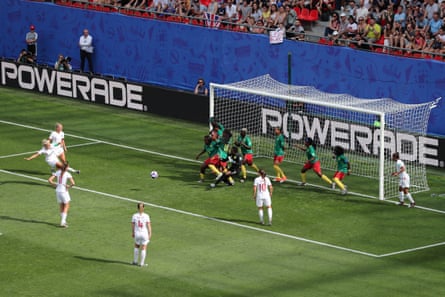
For decades, defenders could deliberately pass the ball back to their goalkeeper, who was free to pick it up repeatedly without restriction.
This was one of the most controversial football rules that no longer exist, particularly because teams often exploited it to waste time while protecting narrow leads.
The problem reached its peak during the 1990 FIFA World Cup, where defensive football and excessive back-passing contributed to one of the lowest-scoring tournaments in history.
In response, FIFA introduced the back-pass rule in 1992, preventing goalkeepers from handling deliberate passes made with a teammate’s foot.
The change immediately increased attacking pressure, accelerated the tempo of matches, and forced goalkeepers to become far more comfortable playing with their feet.
Goals Could Be Scored Directly from a Dropped Ball
Another of the more unusual old football rules involved the dropped-ball restart.
Previously, players could score directly from a dropped ball without anyone else touching it after play resumed.
Although such goals were rare, they occasionally caused confusion and controversy, particularly when one team expected fair play while the other took advantage of the opportunity.
Modern laws now require the ball to touch at least two players before a goal can be awarded from a dropped-ball situation, eliminating misunderstandings and promoting sportsmanship.
Teams Changed Ends After Every Goal
Today, teams switch ends only at half-time and before extra time.
However, one of the earliest football rules that no longer exist required teams to change ends after every goal scored.
The reasoning was simple.
Weather conditions, uneven pitches, and strong winds often gave one side a significant advantage. Switching ends after each goal helped balance those conditions throughout the match.
As football stadiums improved and playing surfaces became more consistent, the regulation gradually disappeared because it unnecessarily interrupted the flow of games.
No Substitutions Were Allowed

One of the harshest forgotten football rules was the complete absence of substitutions.
For much of football history, teams had to finish matches with the same players who started them regardless of injuries.
If a footballer suffered a broken bone or serious muscle injury, his team simply continued with fewer players for the remainder of the contest.
Substitutions were introduced gradually during the second half of the twentieth century before eventually becoming a central tactical element of modern football.
Managers now routinely use substitutes not only because of injuries but also to alter formations, manage fitness, and influence matches strategically.
Red and Yellow Cards Were Once Nonexistent
Modern supporters instantly recognize yellow and red cards, yet referees once relied entirely on verbal warnings.
Before the 1970 FIFA World Cup, officials had no standardized visual method of communicating disciplinary decisions.
Different languages and communication barriers occasionally caused confusion during international matches, prompting the introduction of the now-famous colored card system.
The innovation simplified officiating and remains one of football’s most successful rule changes.
Although disciplinary action still existed before 1970, the absence of visible cards remains one of the more interesting football rules that no longer exist.
Penalty Shootouts Replaced the Toss of a Coin
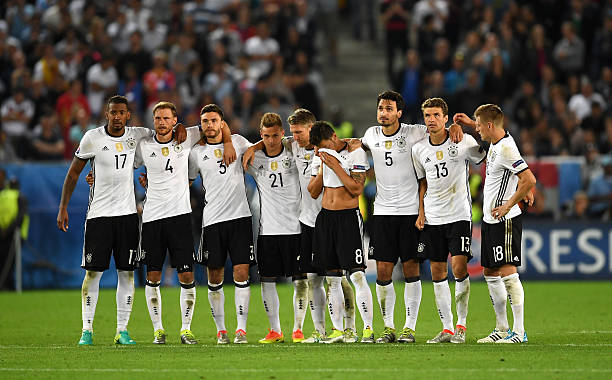
Among the strangest old football rules was the method used to decide certain drawn knockout matches.
Before penalty shootouts became standard, some ties were settled through replays, while others were decided by the toss of a coin when replay scheduling proved impossible.
Few examples better illustrate how dramatically football has evolved.
The introduction of penalty shootouts ensured that results would be determined by players rather than chance, creating many of the sport’s most memorable moments.
Five Substitutions Were Once Impossible
Although supporters now take expanded benches for granted, teams were originally allowed no substitutions at all before the number gradually increased from one to two, then three.
Temporary changes introduced during the COVID-19 pandemic eventually led football authorities to permanently adopt five substitutions for most elite competitions.
Earlier restrictions now belong among the forgotten football rules, highlighting how the game continues evolving to meet the physical demands placed upon modern players.
Football Continues to Evolve
Examining these football rules that no longer exist demonstrates that football has never been a static sport. Every generation has witnessed important law changes designed to improve fairness, increase entertainment, and adapt to evolving tactical and physical demands.
Many old football rules now appear outdated or even unbelievable, yet they played an essential role in shaping the game enjoyed by billions of supporters today. From goalkeepers handling the ball across half the pitch to attackers being unable to stand ahead of the ball itself, football has undergone remarkable transformation over the past century.
As technology, player welfare, and tactical innovation continue influencing the sport, today’s laws will almost certainly continue evolving. Future generations may well look back at some current regulations as forgotten football rules, just as modern fans now marvel at the unusual laws that once governed the world’s most popular game.
