Baseball may not involve the constant running of basketball or the physical collisions of football, but the demands of a Major League Baseball season are unlike almost any other sport. A marathon MLB season stretches across 162 regular-season games, frequent travel, limited recovery time, and months of physical repetition. In that environment, MLB conditioning becomes one of the most important factors in determining player performance and long-term durability.
MLB conditioning is no longer just about staying in shape. It is a science-driven approach designed to improve endurance, maintain explosive movement, reduce injury risk, and help players perform consistently through one of the longest schedules in professional sports.
The Significance of MLB Conditioning

The physical demands of baseball are often underestimated because the sport includes periods of low movement between explosive actions. However, these explosive moments place significant stress on the body.
Pitchers repeatedly generate high rotational force through the shoulder and elbow. Hitters rely on hip rotation, core strength, and fast-twitch reactions. Fielders must sprint, dive, throw, and react instantly. Over the course of a marathon MLB season, these repeated actions accumulate fatigue that can gradually reduce performance.
This is why MLB conditioning has evolved into a year-round process rather than something limited to spring training.
Teams now invest heavily in strength coaches, mobility specialists, sports scientists, nutritionists, and recovery experts. The goal is simple: keep players physically prepared for the relentless pace of the season.
Baseball Endurance Training in a 162-Game Schedule
A baseball season lasts more than six months before the postseason even begins. Players often compete almost every day with very few extended breaks.
Unlike sports with weekly fixtures, baseball players rarely have enough time for full physical recovery between games. Fatigue becomes cumulative rather than isolated.
This is where conditioning plays a major role. Players with better cardiovascular endurance and muscular stamina are more capable of maintaining performance deep into the season.
MLB Conditioning also affects concentration. Physical exhaustion often leads to slower reactions, poorer decision-making, and reduced mechanics. A hitter with tired legs may struggle to generate power, while a fatigued pitcher may lose command and velocity.
Maintaining energy levels over such a long campaign requires careful planning, structured training, and recovery management.
Strength Training and Injury Prevention

Modern MLB conditioning focuses heavily on injury prevention.
Baseball movements place unique stress on joints and muscles, particularly in the shoulders, elbows, hips, knees, and lower back. Repetitive throwing motions are especially dangerous if the body is not properly conditioned.
Strength training helps stabilize these vulnerable areas. Pitchers, for example, build shoulder stability and core strength to reduce stress on the arm. Position players focus on lower-body power, rotational strength, and mobility.
Teams now prioritize functional strength rather than traditional bodybuilding approaches. Exercises are designed to improve baseball-specific movement patterns instead of simply building muscle mass.
This shift has transformed how athletes train during both the offseason and the regular season.
The Importance of MLB Player Recovery
One of the most important elements of MLB conditioning is recovery science.
Because baseball players compete so frequently, recovery often matters as much as training itself. Teams use advanced technology to monitor workload, sleep quality, hydration, and muscle fatigue.
Cold therapy, massage treatment, mobility sessions, and active recovery workouts have become standard parts of professional baseball routines.
Nutrition also plays a major role. Players lose energy through constant travel and competition, making proper fueling essential. Teams employ nutrition experts to create meal plans that support endurance and recovery.
Sleep management has become another major focus. Long road trips, late-night games, and time zone changes can disrupt recovery cycles. Teams increasingly use sleep tracking and travel management strategies to minimize fatigue.
The science behind MLB conditioning now extends far beyond the gym.
MLB Conditioning Differences Between Pitchers and Position Players
Not every player trains the same way during a marathon MLB season.
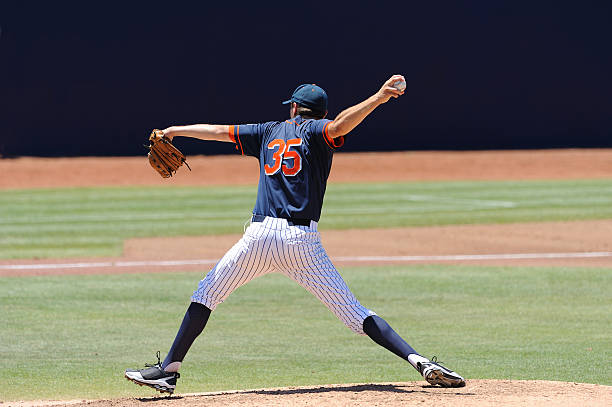
Pitchers require highly specialized conditioning programs because of the stress placed on their throwing arms. Starting pitchers train around recovery cycles, often working through a structured five-day routine between starts.
Relief pitchers face a different challenge. They must stay physically ready every day despite unpredictable usage patterns.
Position players focus more on maintaining lower-body strength, sprint speed, agility, and rotational explosiveness. Catchers require even more specialized conditioning because of the physical demands of squatting and repeated impact behind the plate.
Modern MLB conditioning programs are carefully individualized based on position, workload, injury history, and playing style.
Travel Fatigue and Its Physical Effects
Travel is one of the hidden challenges of a marathon MLB season.
Teams regularly move across multiple cities and time zones throughout the year. Long flights, inconsistent sleep schedules, and limited recovery time can significantly affect physical performance.
Research in sports science shows that travel fatigue impacts reaction time, coordination, and recovery. For baseball players, even small declines in reaction speed can affect hitting accuracy or defensive performance.
This is why MLB teams place enormous emphasis on conditioning and recovery management during road trips.
Hydration protocols, sleep schedules, stretching sessions, and post-game recovery routines are all designed to reduce the effects of constant travel.
Data and Baseball Sports Science in MLB Conditioning
Technology has completely changed the way teams approach conditioning.
Wearable tracking devices monitor player movement, heart rate, workload, and recovery levels. Teams analyze this data to determine when players may be approaching dangerous fatigue levels.
Biomechanical analysis also helps identify movement inefficiencies that could increase injury risk.
For example, if a pitcher’s mechanics begin to change due to fatigue, coaches can adjust workload before a serious injury occurs.
Data-driven conditioning allows teams to make smarter decisions about training intensity, rest days, and player availability throughout the season.
Mental Conditioning and Focus
Physical endurance is only part of surviving a marathon MLB season. Mental conditioning is equally important.
Baseball is a sport built around repetition and failure. Even elite hitters fail in most of their at-bats. Maintaining confidence and focus over six months requires mental resilience.
Sports psychologists now work closely with MLB players to improve concentration, stress management, and emotional consistency.
Mental fatigue can impact reaction time and decision-making just as much as physical exhaustion. Strong mental conditioning helps players remain composed during slumps, pressure situations, and long stretches of competition.
Veteran Players and Conditioning Evolution
One reason many veteran MLB stars continue performing at elite levels into their late 30s is improved conditioning science.
Players now understand how to manage workload more effectively than previous generations. Training methods are more advanced, recovery tools are better, and nutrition strategies are more refined.
Veterans often adapt their conditioning routines to prioritize flexibility, recovery, and durability over maximum physical output.
This evolution has extended careers and improved consistency across the league.
The Future of MLB Conditioning
The future of MLB conditioning will likely become even more data-driven and personalized.
Artificial intelligence, advanced biomechanical tracking, and real-time fatigue monitoring may allow teams to predict injury risk before symptoms appear.
Recovery technology will also continue evolving, helping players manage the demands of increasingly competitive schedules.
However, the foundation will remain the same. Conditioning exists to help players maintain performance, durability, and consistency throughout the unique challenge of a marathon MLB season.
Conclusion
A marathon MLB season tests every aspect of a player’s physical and mental endurance. The grind of 162 games, constant travel, and repetitive movements makes conditioning one of the most important factors in modern baseball success.
MLB conditioning is no longer limited to lifting weights or running drills. It is a complete science involving strength, recovery, nutrition, mobility, data analysis, and mental preparation.
The teams and players who manage these demands best are often the ones still performing at their highest level when the season matters most.

1 comment
Harika bir paylaşım, özellikle konunun önemli detayları oldukça net bir şekilde açıklanmış. İnsanları çeşitli karmaşık anahtar kelimelerle yormak yerine, okumaktan keyif alacağı içerikler her zaman daha iyidir. Kaliteli paylaşım adına teşekkür eder, paylaşımlarınızın devamını sabırsızlıkla beklerim.