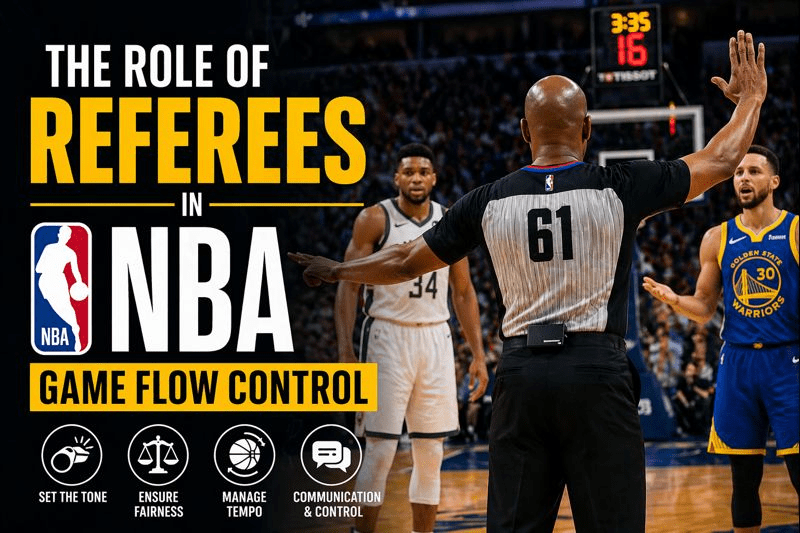
In modern basketball, referees do far more than enforce rules. They shape the rhythm, intensity, and overall experience of every game. From the opening tip to the final buzzer, officiating decisions influence how smoothly a game flows and how players respond under pressure. When done well, refereeing becomes almost invisible, allowing the sport to shine. When done poorly, it becomes the story.
Setting the Tone Early
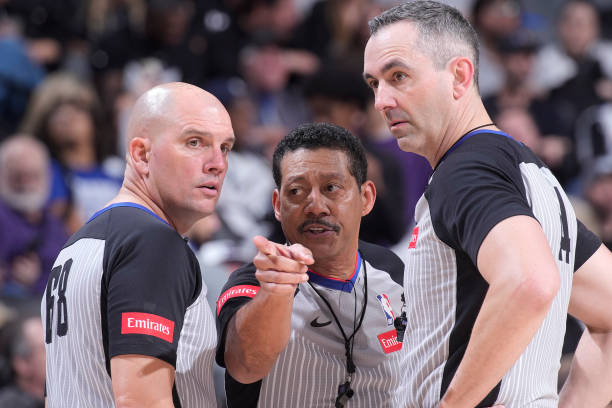
The opening minutes of an NBA game often reveal how it will be officiated. Referees typically establish boundaries early by calling obvious fouls and signaling what level of physicality will be tolerated. This initial tone-setting is critical. Players quickly adjust their defensive aggression, spacing, and tempo based on how tightly or loosely the game is being called.
A well-managed start creates clarity. Both teams understand the standard, and the game settles into a rhythm that feels fair and predictable.
Consistency as the Foundation of Flow
Consistency is the backbone of effective officiating. Players can adapt to strict or lenient referees, but inconsistency disrupts everything. When similar contact yields different outcomes, frustration builds, and attention shifts away from basketball.
Consistent refereeing keeps players focused on execution rather than complaints. It also reduces stoppages caused by arguments, helping the game maintain its natural pace.
Managing Physicality Without Killing Momentum
Basketball is a contact sport, but not all contact should result in a whistle. One of the most important responsibilities referees carry is determining what level of physical play is acceptable.
If too many fouls are called, the game becomes fragmented, filled with stoppages and free throws. If too few are called, it can turn into uncontrolled physical play. The ideal balance allows players to compete aggressively while keeping the game fluid.
This balance is not static. It evolves as the game progresses, and skilled referees adjust without losing consistency.
Foul Trouble and Its Strategic Impact
Foul calls do more than stop play. They shape coaching decisions and player involvement. When key players accumulate early fouls, teams are forced to change rotations, often removing their best contributors from critical moments.
Referees must remain neutral, but they are aware of the stakes. Calling the game correctly while avoiding unnecessary disruption is part of maintaining competitive balance. The goal is fairness, not influence.
Controlling Game Tempo
Tempo is one of the most visible aspects of game flow, and referees play a direct role in shaping it. Frequent whistles slow the game, forcing teams into half-court sets. Fewer interruptions allow for fast breaks and continuous action.
Different teams thrive under different tempos. However, referees are not there to favor styles. Their role is to ensure that the pace reflects fair play, not officiating bias.
Communication and Game Management
Communication is a subtle but powerful tool in officiating. Referees constantly speak with players, often explaining calls or issuing warnings before escalating situations.
A quick word can prevent frustration from boiling over. Clear communication builds trust, even in high-pressure environments. When players feel respected, they are more likely to accept decisions and keep the game moving.
The Psychological Role of Referees
Beyond rules and mechanics, referees manage emotions. NBA games are intense, and tensions can rise quickly. A well-timed whistle can calm a situation, while a missed call can escalate it.
Referees act as stabilizers, ensuring that emotions do not derail the contest. This psychological control is essential for maintaining order and preserving the quality of play.
Technology and Its Effect on Flow

Modern officiating includes tools like instant replay and coach’s challenges. These innovations improve accuracy but come at a cost. Reviews interrupt momentum and can shift the energy of a game.
Referees must integrate these tools carefully. The challenge is to ensure correctness without allowing technology to dominate the experience.
Adapting to Game Context
Not all games are officiated the same way. A regular-season matchup differs from a playoff battle. In high-stakes games, referees often allow more physicality to match the intensity.
This adaptation reflects the context of the competition. However, the standard must remain fair. Players expect consistency within the game, even if the overall tone differs from one matchup to another.
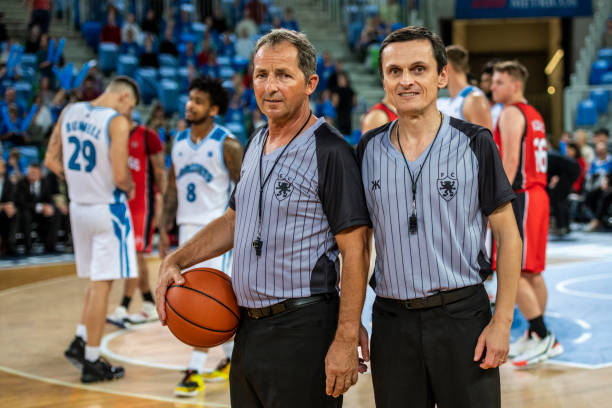
NBA referees operate in crews of three, and coordination is essential. Each official has specific responsibilities, and effective communication ensures coverage of the entire court.
When crews work seamlessly, they are barely noticed. Poor coordination, however, leads to missed or conflicting calls, disrupting the game’s flow and credibility.
Handling Coaches and Sideline Pressure
Coaches play a significant role in influencing game dynamics. They question calls, challenge decisions, and attempt to sway momentum.
Referees must manage these interactions calmly. A composed approach keeps the focus on the game, while confrontations can escalate tensions and lead to unnecessary stoppages.
Player Adaptation to Officiating
Players are quick to read how a game is being called. If perimeter fouls are tight, defenders adjust by giving more space. If interior play is physical, offenses attack the paint more aggressively.
This ongoing adjustment highlights the interactive relationship between officiating and strategy. Referees shape the environment, and players respond in real time.
The Invisible Ideal
The best refereeing performances often go unnoticed. When officials strike the right balance, the game flows naturally, and players take center stage.
In these moments, referees achieve their ultimate goal. They maintain order, ensure fairness, and allow the sport to unfold without interference.
Conclusion
Referees are essential to the structure of NBA basketball. Their decisions influence tempo, emotion, and strategy, even when fans barely notice their presence.
Understanding their role adds depth to how the game is viewed. Behind every smooth, high-quality contest is a layer of control that keeps everything in motion. Referees may not score points or make highlight plays, but they are the silent architects ensuring that the game remains fair, balanced, and compelling from start to finish.
