
With just 50 days remaining until the kickoff of the 2026 FIFA World Cup, football’s global governing body has made a decisive move to reignite fan access and excitement: the reopening of the tournament’s last-minute ticket sales phase. This development marks the final major opportunity for supporters worldwide to secure seats at what is set to be the largest and most ambitious World Cup in history.
The timing of this reopening is no coincidence. As anticipation builds toward the June 11 start date, FIFA is balancing logistical realities, commercial imperatives, and fan demand in a tournament that spans three host nations the United States, Mexico, and Canada and features an expanded 48-team format. The result is a ticketing phase that is both a logistical challenge and a last gateway for millions hoping to witness football history firsthand.
FIFA World Cup: A final window for global fans
The reopening of the last-minute ticket sales phase effectively resets the clock for fans who may have missed earlier opportunities. Tickets for all 104 matches are now available again, sold on a first-come, first-served basis rather than through lottery-style draws used in earlier phases.
This approach significantly changes the dynamics of ticket acquisition. Instead of relying on chance, fans must now act quickly, navigating digital queues and fluctuating availability. For many, this system introduces both urgency and transparency: tickets are visible in real time, but demand can cause them to disappear within minutes.
Importantly, this phase includes a wide range of ticket categories. From standard seating (Categories 1 to 3) to premium front-row experiences, the inventory reflects FIFA’s attempt to cater to diverse budgets and preferences.
However, availability is not uniform. High-demand matches such as opening games, knockout fixtures, and those involving top national teams—are expected to sell out almost instantly. Meanwhile, less prominent fixtures may remain accessible longer, offering strategic opportunities for flexible fans.
Record scale, record demand
The scale of the 2026 tournament is unprecedented. With 48 teams and 104 matches, it surpasses all previous editions in size and geographic spread.
This expansion has had a direct impact on ticketing. FIFA estimates that more than six million tickets will be available overall, with over five million already sold prior to this final phase.
Such figures underline both the massive demand and the commercial success of the event. The World Cup has always been a global spectacle, but the tri-nation hosting model and increased number of matches have elevated its reach even further. Cities across North America are preparing for an influx of international visitors, while broadcasters and sponsors anticipate record engagement.
Yet, despite the scale, demand still outpaces supply especially for marquee games. This imbalance is a defining feature of the last-minute sales phase, where availability becomes a rapidly shifting landscape shaped by cancellations, returns, and newly released allocations.
Pricing strategies and controversy
One of the most discussed aspects of the 2026 ticketing process is pricing. FIFA has implemented a dynamic pricing model, meaning ticket costs can fluctuate based on demand and availability.
While this approach is common in industries like aviation and entertainment, its application to World Cup tickets has sparked debate. Critics argue that it makes attendance less accessible for average fans, particularly when prices surge for high-profile matches. Reports indicate that premium tickets for major games can reach thousands of dollars, with the final among the most expensive sporting events ever.
In response to criticism, FIFA introduced lower-cost options such as the “Supporter Entry Tier,” with a portion of tickets priced more affordably to ensure broader access.
Nevertheless, the tension between commercial revenue and fan inclusivity remains a central theme. Lawmakers and fan groups have raised concerns about affordability, especially in host countries where cost-of-living pressures are already significant. The reopening of ticket sales brings these issues back into focus, as fans weigh the experience against the expense.

Also Read- How Football Clubs Make Money Beyond Ticket Sales
First-come, first-served: opportunity and pressure
The shift to a first-come, first-served model introduces a sense of immediacy that contrasts sharply with earlier phases. Fans must now be prepared to act quickly, often within seconds of tickets becoming available.
Digital infrastructure plays a critical role here. FIFA’s ticketing platform is designed to handle massive traffic, but high demand can still lead to long wait times and frustration. Virtual queues, timed sessions, and automated seat allocation systems are all part of the process.
For some, this system is more equitable everyone has a direct chance to purchase. For others, it favors those with faster internet connections, flexible schedules, or greater familiarity with online ticketing systems. Fifa
Additionally, FIFA has indicated that more tickets may be released in waves leading up to the final, meaning persistence can pay off.
Global logistics and travel considerations
Securing a ticket is only part of the journey. The 2026 World Cup’s multi-country format introduces unique logistical challenges for fans. Matches are spread across 16 cities, requiring careful planning for travel, accommodation, and visas.
For international supporters, particularly those traveling from Africa, Asia, or Europe, this adds layers of complexity. Entry requirements vary by country, and fans may need multiple visas depending on their match itinerary.
Transportation costs within host nations are also under scrutiny. Reports of increased transit fares and accommodation prices have raised concerns about the overall affordability of attending the tournament. While these factors are separate from ticket sales, they influence the broader fan experience and decision-making process.
Economic and cultural impact
The reopening of ticket sales is not just a logistical event it is also a significant economic driver. Host cities are expected to benefit from tourism, hospitality, and related industries, with billions of dollars in projected revenue.
For FIFA, ticket sales represent a major revenue stream, contributing to the organization’s broader financial ecosystem, including development programs and future tournaments.
Culturally, the World Cup remains one of the most unifying events in global sport. The final sales phase underscores this universality, as fans from diverse backgrounds compete for the same limited seats. Whether attending a group-stage match or the final, the experience carries symbolic weight that extends beyond the game itself.
Strategic timing and psychological impact
Reopening ticket sales 50 days before kickoff is a strategic move. It capitalizes on rising excitement as the tournament approaches, while also addressing any gaps in allocation from earlier phases.
This timing creates a sense of urgency that can drive immediate action. Fans who may have been undecided are prompted to commit, knowing that this is likely their last chance. Fifa
At the same time, it allows FIFA to fine-tune attendance levels, ensuring that stadiums are as full as possible. Empty seats at a World Cup are not just a logistical issue they affect the atmosphere, broadcast visuals, and overall perception of the event.
Challenges and criticisms
Despite the opportunities, the last-minute sales phase is not without challenges. Technical issues, pricing concerns, and accessibility barriers have all been points of criticism.
Some fans have reported difficulties navigating the ticketing platform, while others have expressed frustration over rapidly changing prices. There are also concerns about fairness, particularly in relation to resale markets and potential ticket scalping.
FIFA has attempted to address these issues through official resale channels and stricter controls, but the effectiveness of these measures will be tested in the coming weeks.
Looking ahead to kickoff
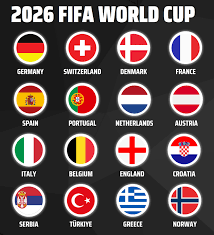
As the countdown continues, the reopening of ticket sales marks a pivotal moment in the lead-up to the 2026 World Cup. It is both a culmination of years of planning and a final call to fans around the world.
With matches set to begin on June 11 and the final scheduled for July 19, the tournament promises to redefine the scale and scope of international football.
For those still hoping to attend, the message is clear: act quickly, stay informed, and be prepared for a competitive process. For everyone else, the global spectacle will unfold across screens, bringing together billions of viewers in a shared celebration of the sport.
Conclusion
The reopening of the last-minute ticket sales phase, just 50 days before kickoff, encapsulates the excitement, complexity, and global significance of the 2026 FIFA World Cup. It represents a final bridge between aspiration and reality for fans, offering one last opportunity to be part of football’s grandest stage.
At the intersection of demand, technology, and economics, this phase highlights both the possibilities and challenges of hosting a mega-event in the modern era. Whether viewed as a commercial success, a logistical feat, or a cultural milestone, the World Cup’s ticketing journey reflects the evolving nature of global sport and the enduring passion it inspires. Fifa